















If you talk to anyone operating in the hemp industry today, you'll hear the same theme repeated across the country:
Demand is growing.
But uncertainty is growing just as fast.
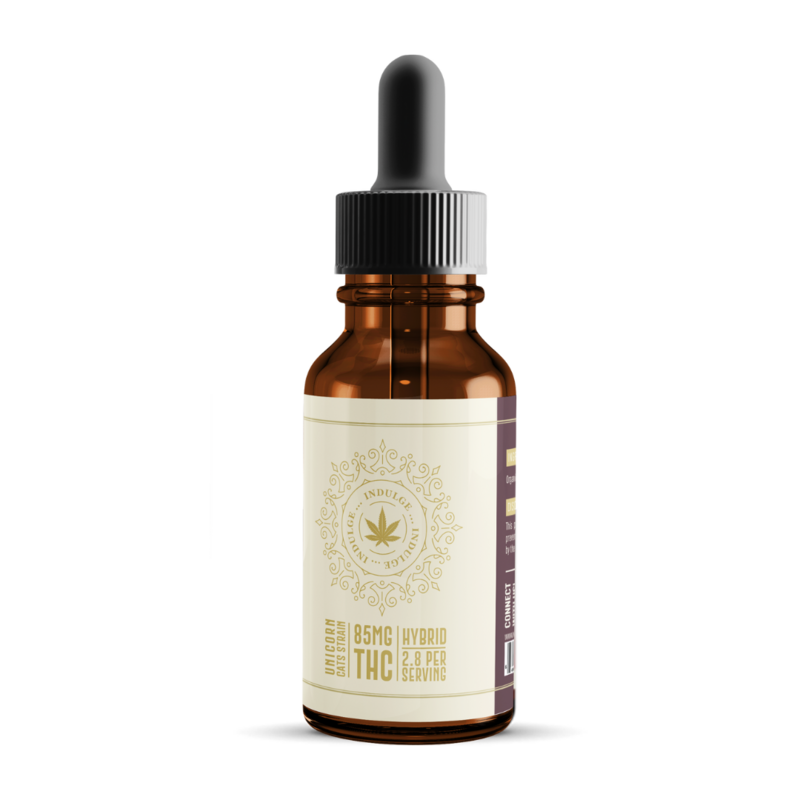
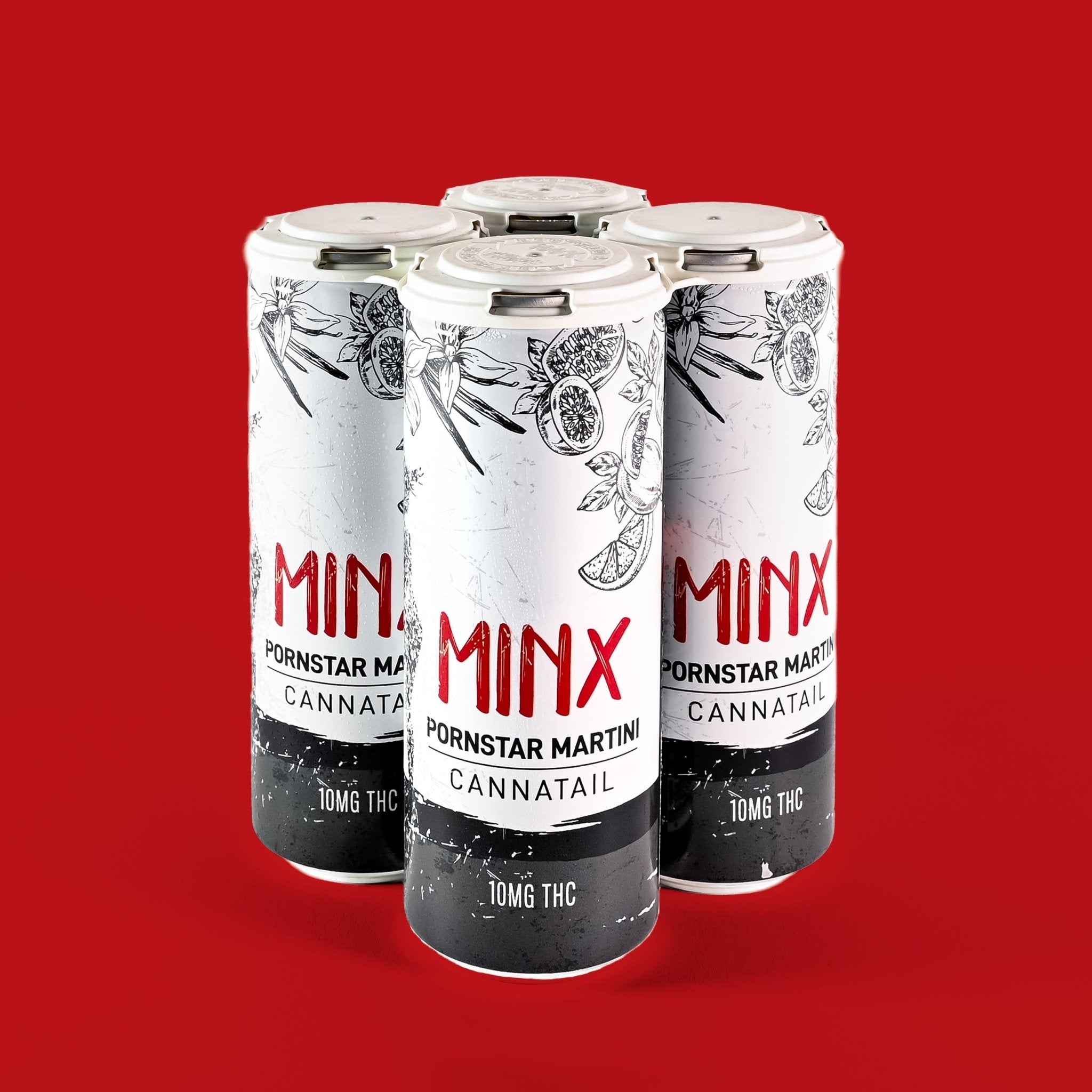
Since the 2018 Farm Bill legalized hemp as an agricultural commodity, an entirely new market has emerged around hemp-derived cannabinoids. Low-dose THC beverages, gummies, and wellness products have exploded in popularity as consumers look for alternatives to alcohol and traditional cannabis products.
But today the industry is facing a major question mark.
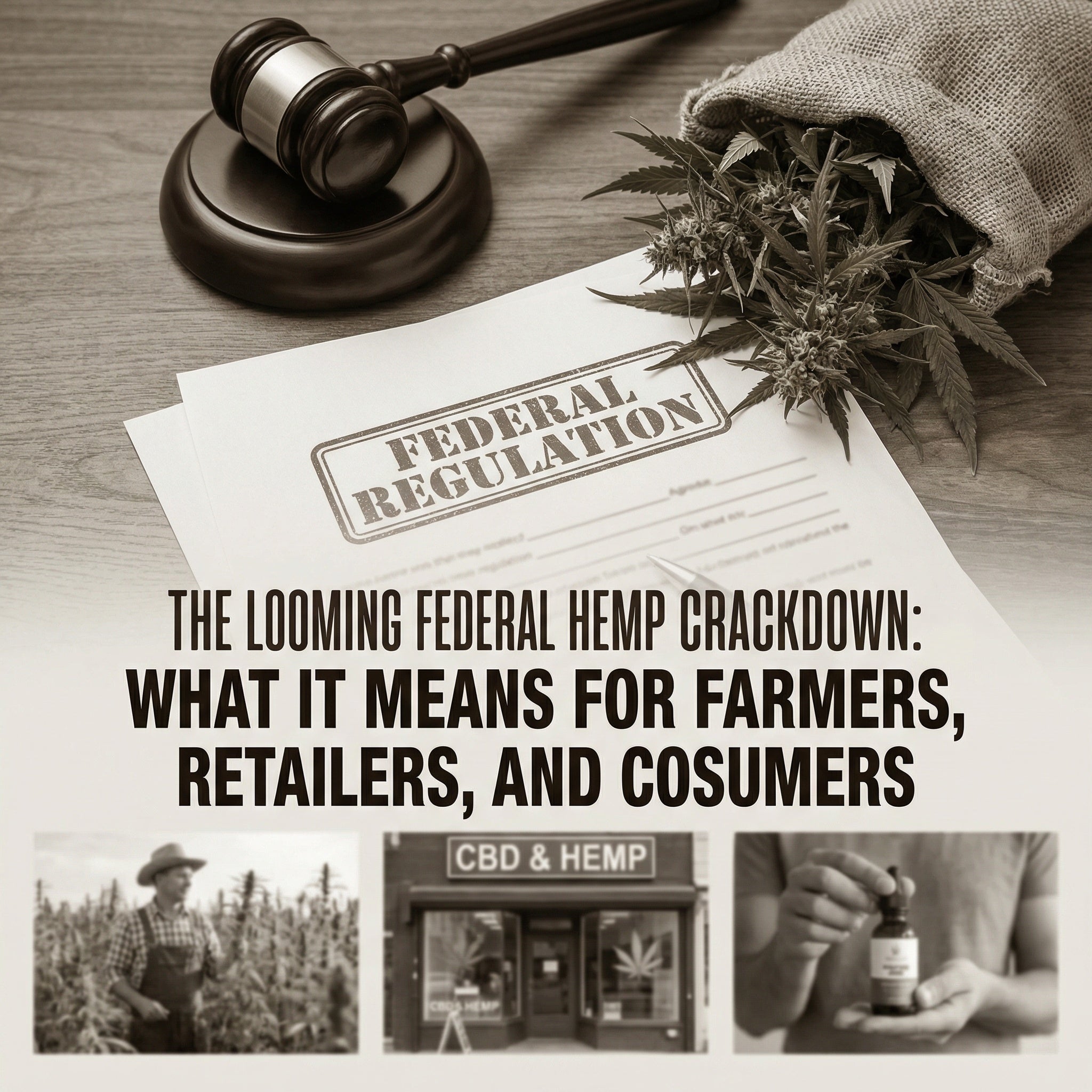
Federal lawmakers have moved toward redefining hemp under federal law by implementing a “total THC” standard and limiting finished products to extremely small amounts of THC. If fully implemented, this change could effectively eliminate most hemp-derived THC products currently sold in the United States. Analysts estimate that as much as 90–95% of hemp consumable products could disappear from the market under the proposed rules.
The stakes are enormous. The U.S. hemp industry has grown into an estimated $28-30 billion market, supporting farmers, processors, manufacturers, and retailers across the country.
And yet, many of those same businesses are now being asked to make long-term investments while the regulatory framework for the industry remains uncertain.
Farmers Are Being Forced to Guess
A recent MJBizDaily article, “Looming hemp THC ban forces U.S. farmers to guess and gamble,” highlights just how difficult this moment has become for the people actually growing hemp.
In interviews conducted by MJBizDaily reporters, farmers, industry operators, and advocates explained how planting decisions are now being made with very little clarity about what the rules will be when crops are harvested.
Hemp farmers must decide:
• How many acres to plant
• Which genetics to grow
• Whether to invest in infrastructure
All without knowing whether the products those crops will ultimately produce will still be legal.
Industry leaders interviewed in MJBizDaily coverage of the looming ban include Jonathan Miller of the U.S. Hemp Roundtable, who warned that the federal proposal could effectively wipe out the majority of hemp consumable products currently on the market.
Others in the industry have echoed similar concerns. Some companies are already pivoting strategies, exiting parts of the hemp market, or preparing for a possible federal prohibition of hemp-derived THC products.
MJBizDaily deserves credit for continuing to highlight how these policy decisions affect real farmers and businesses across the country.
A Growing Market With Shrinking Certainty
The hemp industry today is experiencing a strange paradox.
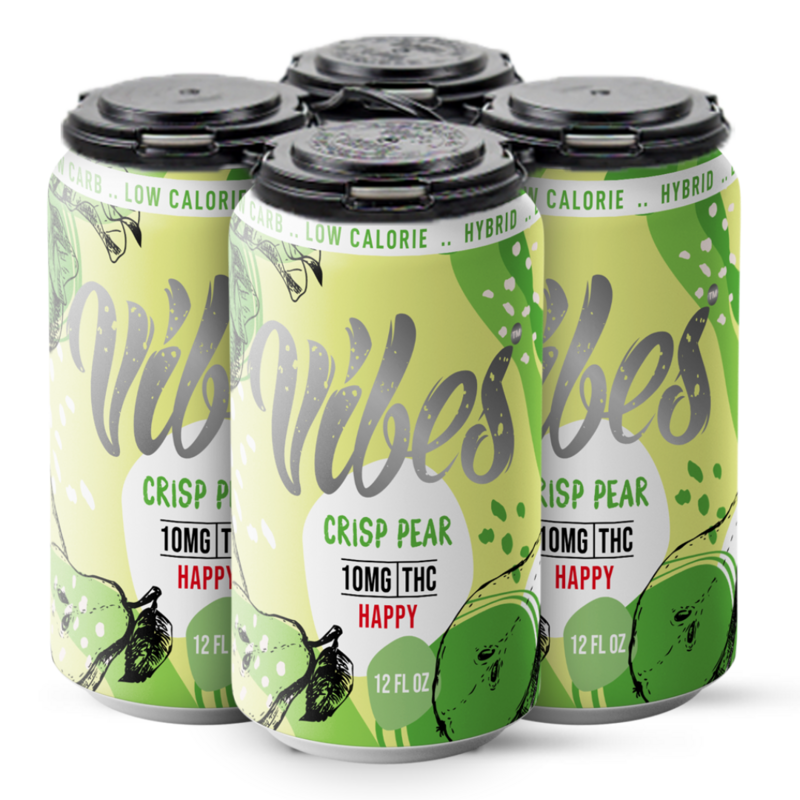
Consumer demand for hemp-derived THC products continues to grow. Retailers across the country are expanding their offerings. Hemp beverages and low-dose THC edibles are becoming one of the fastest-growing categories in alternative wellness and social consumption.
At the same time, regulatory pressure is increasing.
Some states have already introduced bans or strict regulations on hemp-derived THC products. Federal policymakers are debating sweeping changes to the Farm Bill framework. And financial institutions are becoming increasingly cautious about working with hemp companies.
This combination has created a unique challenge for businesses.
The market opportunity is clear.
But the rules governing the market may change at any moment.
Our Perspective at Nothing But Hemp
At Nothing But Hemp, we are experiencing this reality firsthand.
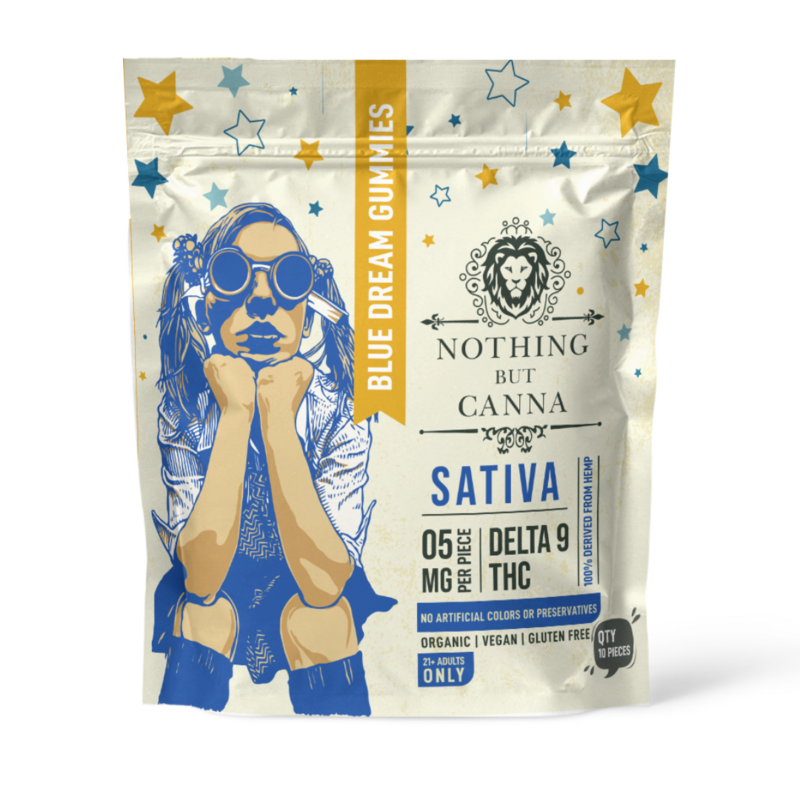
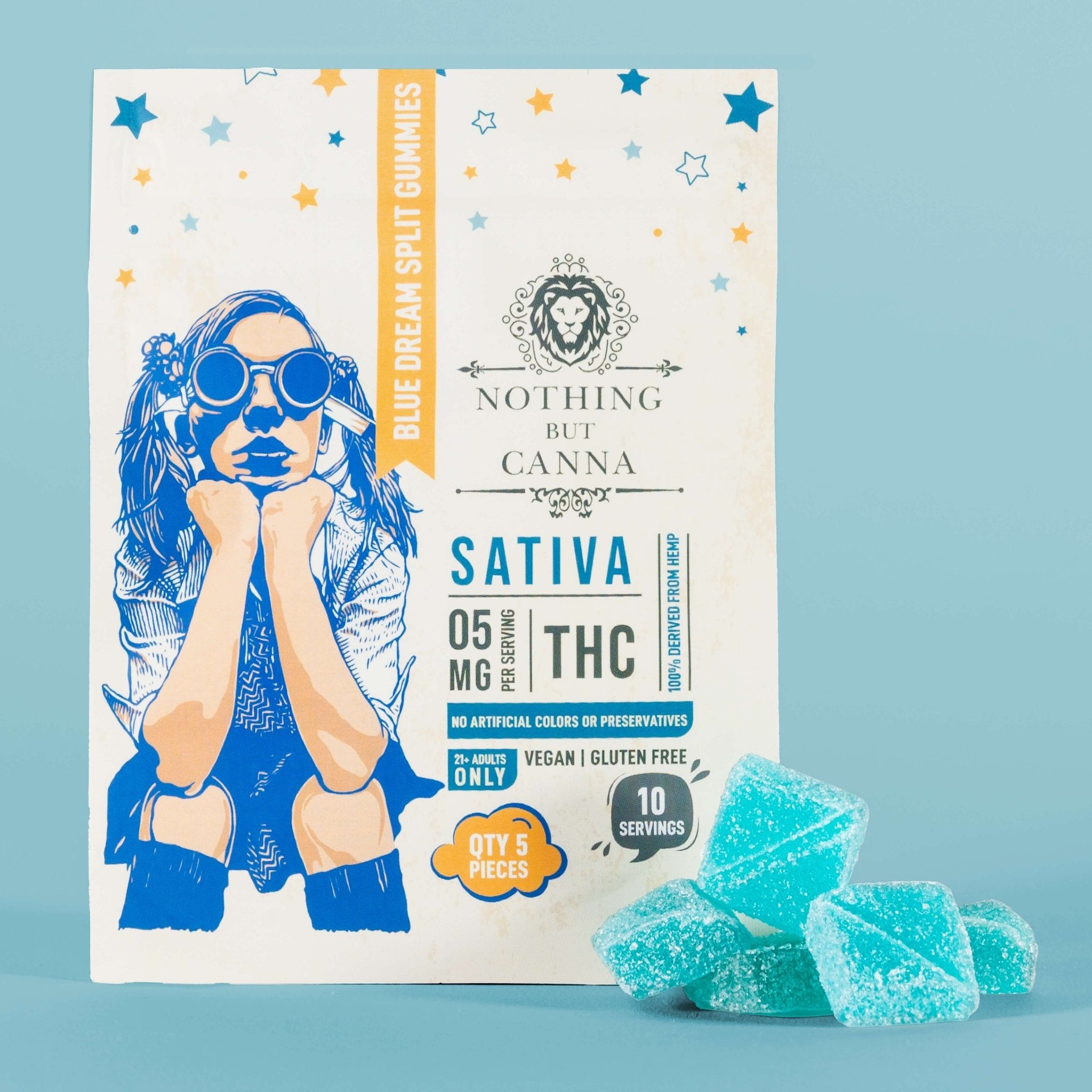
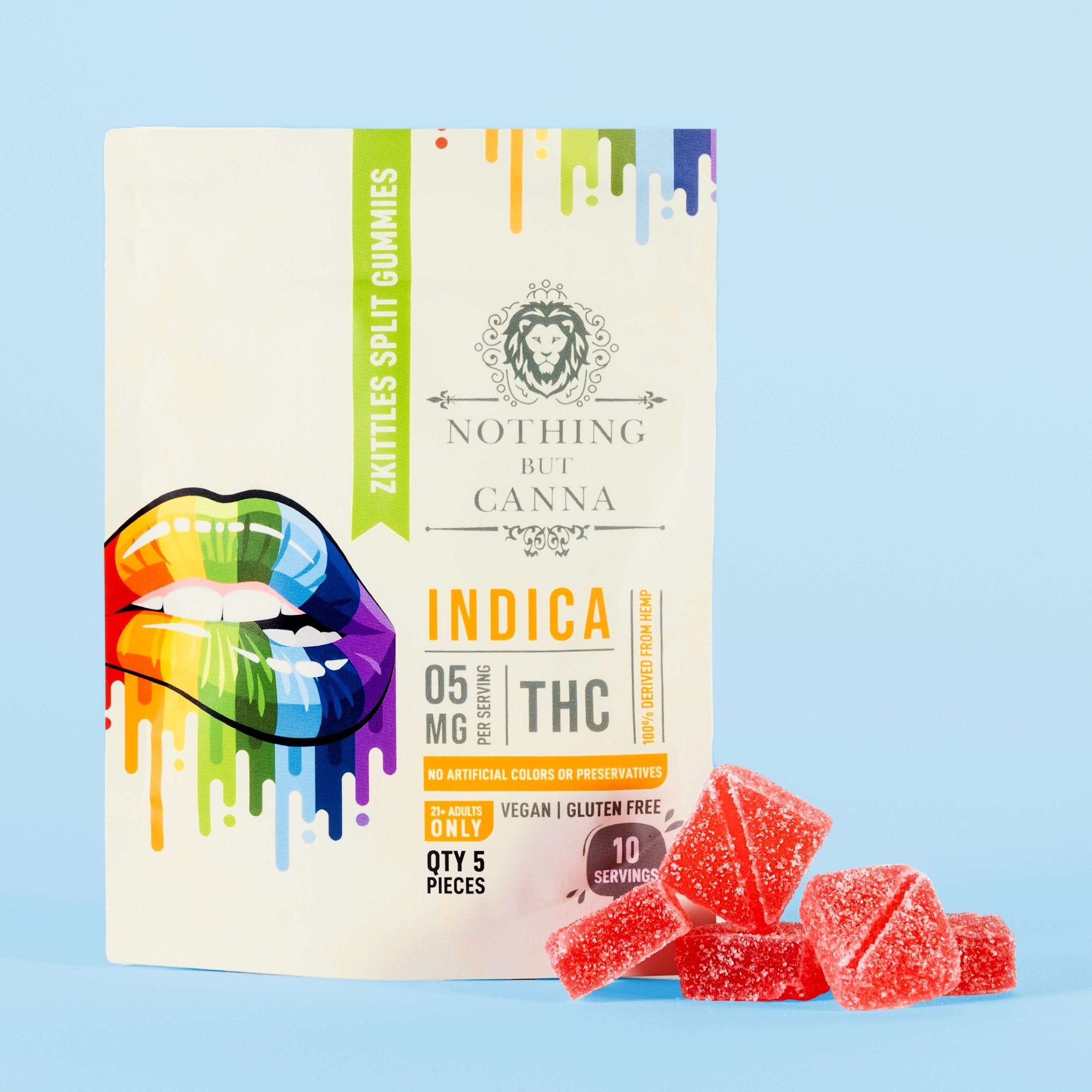
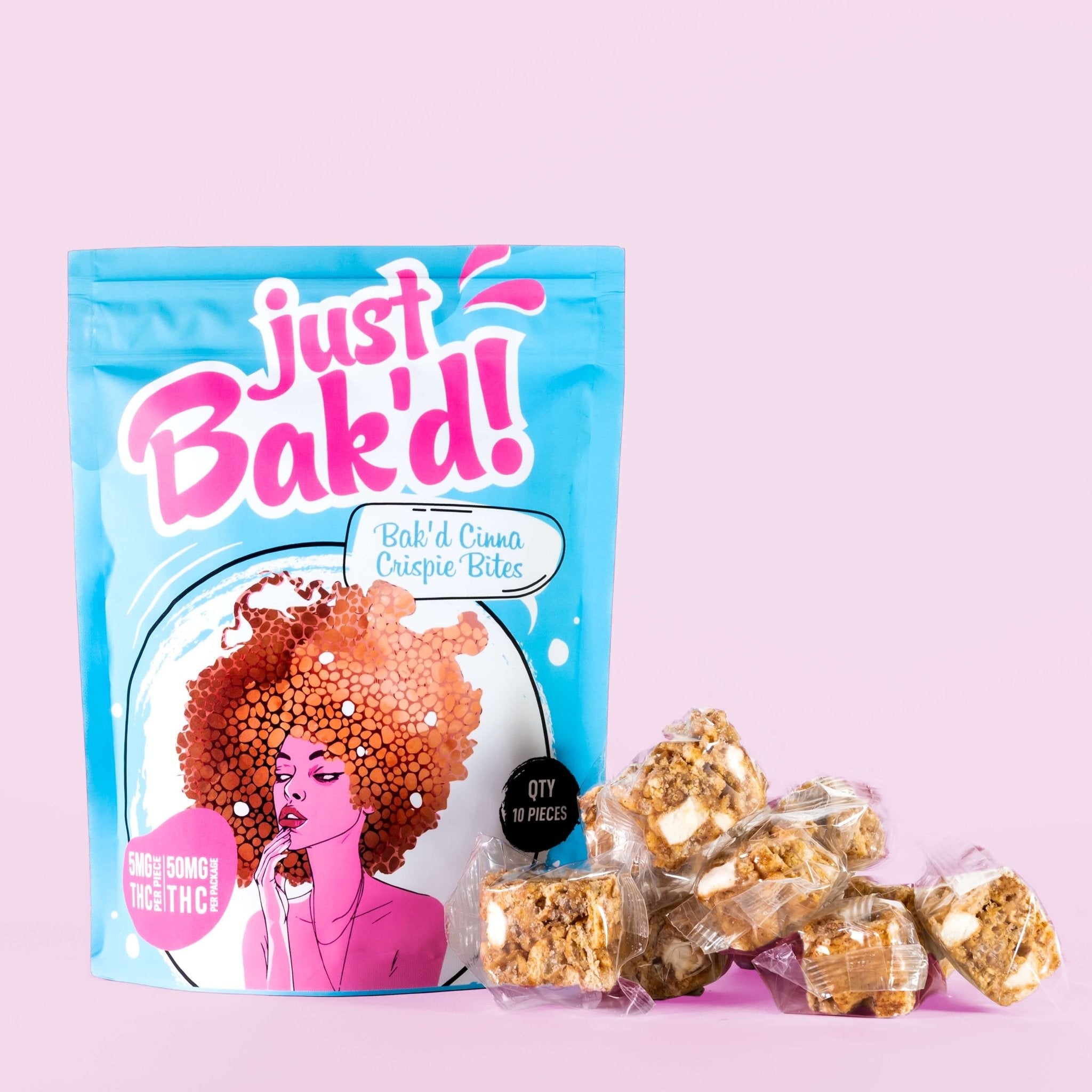
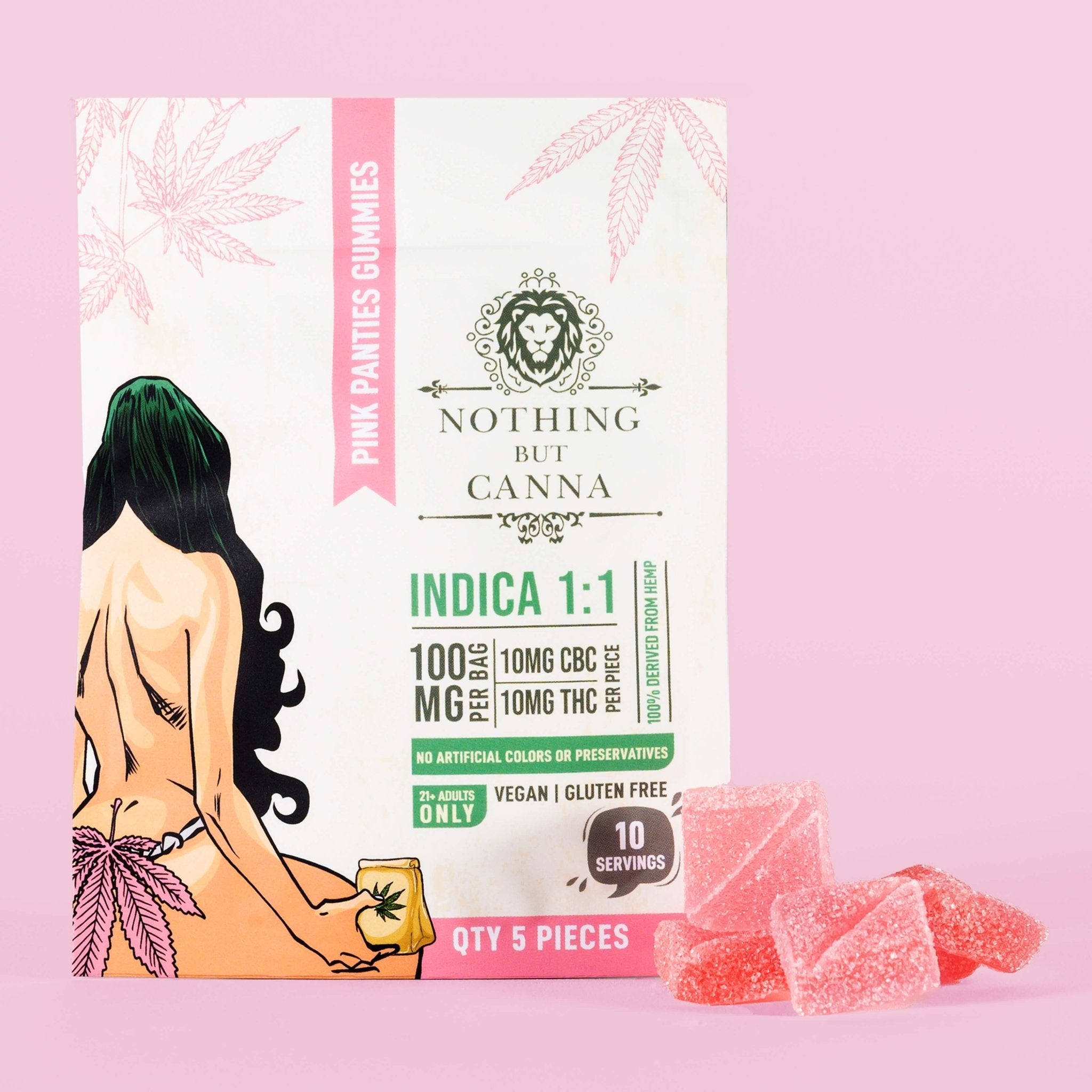
Demand for hemp-derived THC products continues to increase. Retailers, liquor stores, and consumers across the country are embracing low-dose THC products as a modern social alternative.
Because of that demand, our edible manufacturing arm Midwest Botanical is expanding production capacity.
But we’re doing it carefully.
Under normal circumstances, a manufacturing company experiencing this kind of growth would invest heavily in new equipment and infrastructure.
However, the potential for a federal hemp THC ban creates a different kind of risk.
So instead of purchasing large amounts of new equipment outright, we’ve decided to lease equipment while expanding our production capacity.
This allows us to meet the growing demand for hemp products while protecting the company from long-term capital exposure if the regulatory landscape changes.
It’s a very strange place to be as a manufacturer.
On one hand, we are building.
On the other hand, we have to acknowledge that the lights could theoretically be turned off by regulatory changes.
Our edible manufacturing arm is expanding while knowing that the industry itself is facing enormous uncertainty.
Financial Pressure Is Increasing Too
The regulatory uncertainty is also spreading into the financial system.
Some credit card processors are beginning to drop hemp businesses. Banks are becoming more hesitant to lend to companies operating in the cannabinoid space. As regulations tighten and political pressure grows, hemp is increasingly being treated as a high-risk industry, even for companies operating fully within the law.
At the same time, some states are introducing bans or restrictions in anticipation of federal changes that haven’t even taken effect yet.
The result is an industry that is growing rapidly while simultaneously facing increasing financial and regulatory pressure.
The Industry Needs Smart Regulation
Despite the uncertainty, the future of hemp still holds enormous potential.
Consumers want these products.
Retailers are seeing strong demand.
Farmers have built a new agricultural market around hemp.
Manufacturers have invested millions in innovation and infrastructure.
What the industry needs now is clear, sensible regulation that allows responsible businesses to operate and invest with confidence.
Without that clarity, companies across the country are forced to operate in a strange middle ground.
We’re building.
We’re expanding.
But we’re also preparing for the possibility that the regulatory environment could change overnight.
At Nothing But Hemp and Midwest Botanical, we’ll continue doing what we’ve always done: innovate responsibly, support hemp farmers, and advocate for regulations that allow this industry to grow while protecting consumers.
Because one thing is certain.
The demand for hemp products isn’t going away.
The real question now is whether the regulatory framework will allow the industry to reach its full potential.