



🛍 Buy 3
Get 3 FREE
Get 3 FREE

🛍 Buy 3
Get 3 FREE
Get 3 FREE
🛍 Buy 3
Get 3 FREESold out
Get 3 FREESold out


What Our Customers Say
4.10
★★★★★
Based on 50 reviews
I suffer from a lot of thoughts and anxiety at night, which makes it difficult for me to sleep. In the morning, I feel exhausted and unrested. However, my sister ordered two jars of these gummies and gave me one. Thanks to them, I now sleep better and wake up feeling refreshed, without feeling tired…
Bethany R.
Verified
 CBN+THC Gummies - Hybrid - Minnesnowta
These sleep gummies help me a lot with my back pain. I take them an hour before bed and have a restful night with no painful waking up and no side effects in the morning.
Robert W.
Verified
CBN+THC Gummies - Hybrid - Minnesnowta
This combination gives me uninterrupted sleep at night. I have been struggling for years in staying asleep during the night. Now I feel refreshed in the morning.
Glen A.
Verified
 CBN+THC Gummies - Indica - Viking Ganja
Work at night disrupt my sleep. This CBD Tincture helps me wind down naturally. I feel refreshed, not hungover, when I wake up. The effects are tangible but not overwhelming just what I needed.
Andrew A.
Verified
 CBD Sleep Tincture with Chamomile + Melatonin
As a stressed-out dad, sleeping was challenging until this CBD sleep tincture. With 1000mg CBD, chamomile, full-spectrum hemp, and 2mg melatonin, I fall asleep fast and wake up energized. No grogginess.
Emily J.
Verified
CBD Sleep Tincture with Chamomile + Melatonin
I definitely can feel the calming effect within 20 mins of taking a dose. The flavor is not bad and mixes well with a flavored Lacroix. This is a product I will continue to use to assist with relaxing before bedtime. The company is reliable and trusted
Yvonne L.
Verified
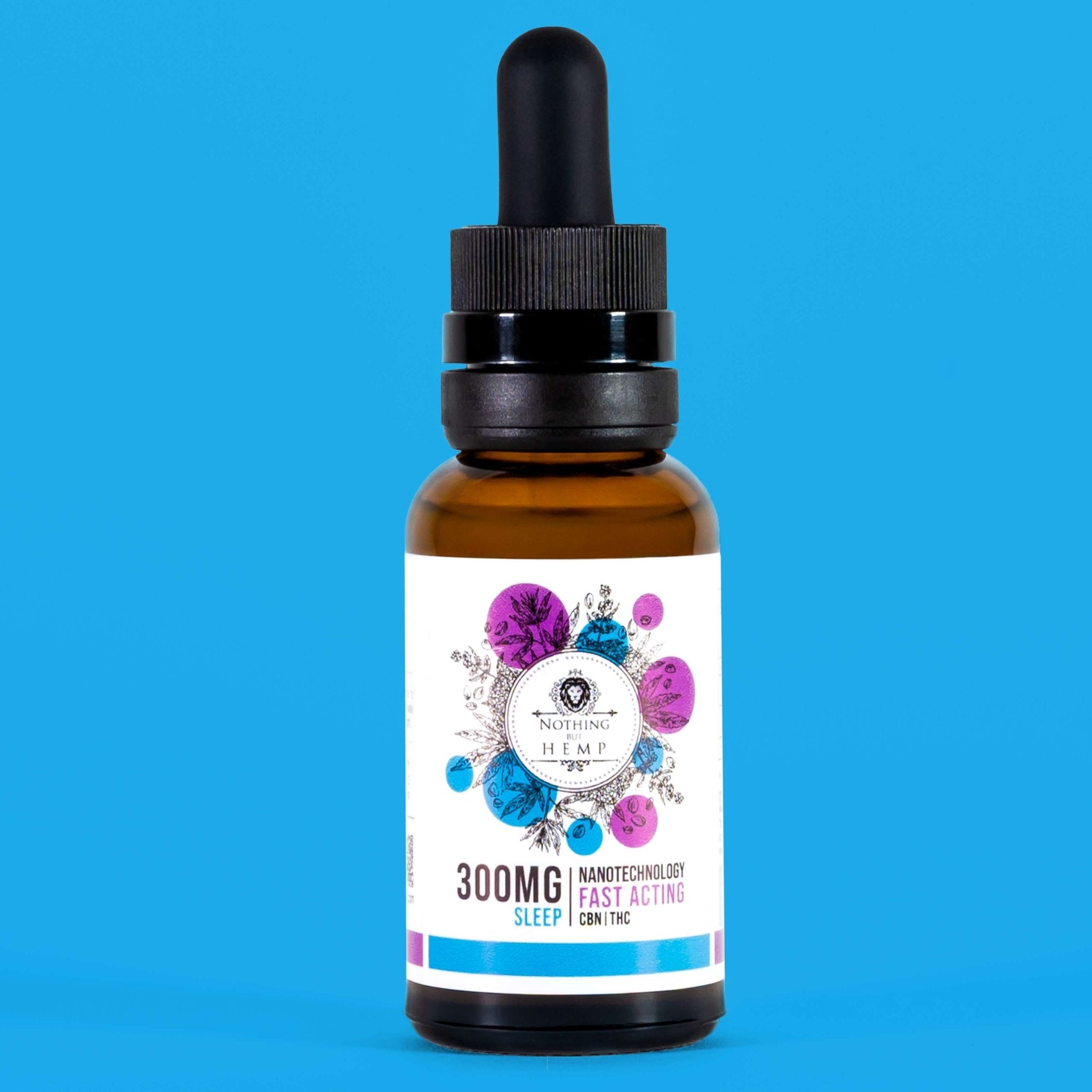
 300mg THC & CBN Tincture Sleep | Beverage Enhancer
One of the best ways to feel good an fall asleep
lenneth s.
Verified
300mg THC & CBN Tincture Sleep | Beverage Enhancer
Dropped some in a warm chamomile tea before bed, and boy, did I drift off smoothly. Woke up feeling refreshed, not groggy. It’s like a gentle whisper guiding me into sleep. Highly recommended if you want a calm, restful night.
Christopher B.
Verified
300mg THC & CBN Tincture Sleep | Beverage Enhancer
I’ve been using this sleep tincture for a couple of weeks now, and I’ve noticed a big difference in how quickly I fall asleep. It really helps calm my mind at night, which has always been a struggle for me.
Grace H.
Verified
300mg THC & CBN Tincture Sleep | Beverage Enhancer
Usually I have trouble winding down at night, but this tincture really helps me relax and fall asleep easier. The only wish is that the effect would come a little faster.
Oliver T.
Verified
300mg THC & CBN Tincture Sleep | Beverage Enhancer
As a beginner, I don't have much to compare it to another gummies, but for now it's my top pick for their effects. it makes it much easier for me to communicate with people and not be too tense.
Andy M.
Verified
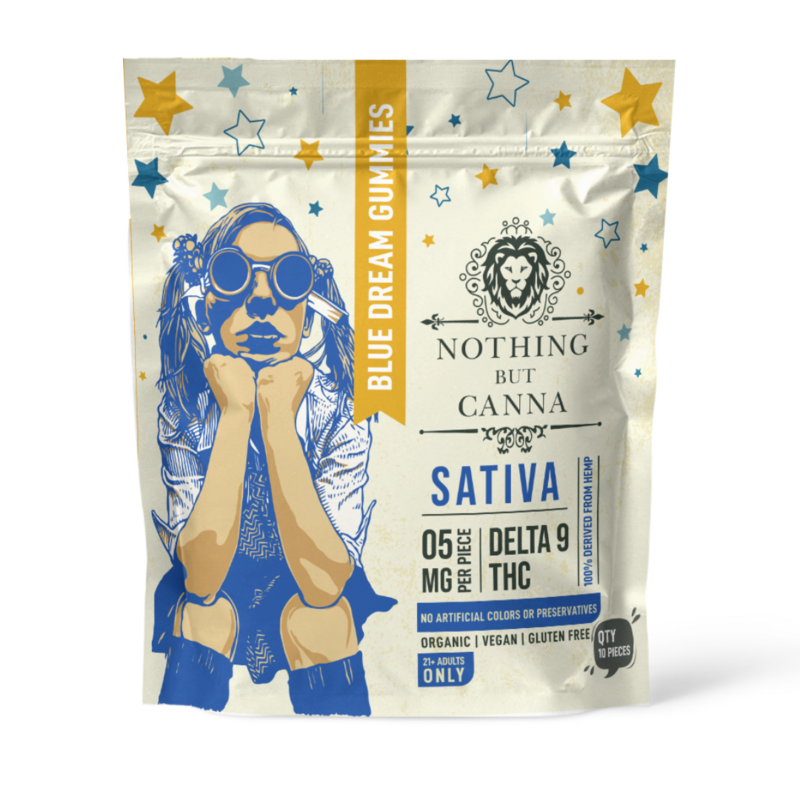
 CBN+THC Gummies - Sativa - Smiley Loon
These delta 9 thc gummies are perfect in every way: lemon refreshing taste, pleasant consistency and fast-acting formula. I felt the effect 20 minutes after taking them. I think that this is a wow effect!
Liam J.
Verified
 Delta 9 THC Gummies Lemon | Sativa
The product description is accurate, balanced, and of excellent quality! It's perfect for me and my lifestyle!
Richard S.
Verified
 Delta 9 THC Gummies Citrus | Hybrid
I have been suffering from chronic pain as a result of a serious fall from a bicycle. I use these products in combination with other Nothing But Hemp products. I have been able to limit the number of prescription medications I am taking.
Harry S.
Verified
Delta 9 THC Gummies Citrus | Hybrid
Just what I need for my taste buds. I would drink it every day. I like the aftertaste and a good mood for a few hours is guaranteed.
Matthew G.
Verified
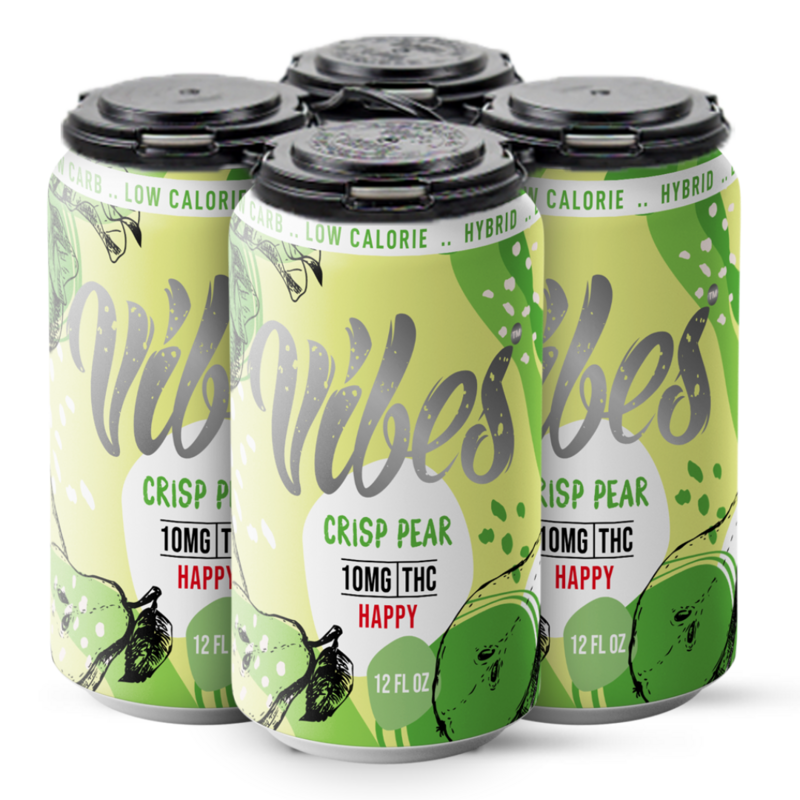
 Vibes THC Drink - Fresh Mango
I love drinking a THC drink while watching a TV series, it has a special vibe. Of course, the taste on its own is amazing. I love this taste for its uniqueness and freshness.
Andrew D.
Verified
 Vibes THC Drink - Fresh Grapefruit
After a long illness, I had problems with my appetite and well-being. These gummies helped me to improve my appetite and my perception of other people, as well as my general condition.
Robin A.
Verified
 Delta 9 THC Gummies Passion Fruit | Sativa
I love them because they remind me of my childhood. I feel a great relaxing effect after drinking them. And for me, there is enough sugar per serving.
Silvia N.
Verified
 Delta 9 THC Drink - Blueberry | 4 Pack
For me, the form of THC drink is something new, but after trying this I was satisfied. I liked the soft but effective effect of delta 9 THC on my body. And also the nicest, not over sweetened taste of passion fruit.
Skylar H.
Verified
 Delta 9 THC Drink - Passion Fruit | 4 Pack
Your online store is literally saving my life! After 15+ years of excessive, heavy drinking and multiple health problems later, I had to quit drinking & thought I’d try these to help. I’m proud to say I haven’t had a drop of alcohol since getting these drinks! I’m losing weight, sleeping great, & fe…
Nikki S.
Verified
 Delta 9 THC Drink - Lemon | 4 Pack
For a long time, I wanted to try a THC product other than gummies. I was pleasantly surprised with this drink. Smooth lemon taste and strong effect. I will definitely make sure to keep this in my fridge.
Sofie O.
Verified
Delta 9 THC Drink - Lemon | 4 Pack
This is not the first time I order THC drinks from this brand, and I am always satisfied. Delta 9 THC drink helps me relax and unwind. This time I decided to try with lemon, as for me the flavor is light and refreshing.
Grayson T.
Verified
Delta 9 THC Drink - Lemon | 4 Pack
I ordered several cans of THC drink flavors to try. And the citrus flavor turned out to be the most pleasant for me, because I like refreshing ones.
Savannah M.
Verified
 Delta 9 THC Drink - Citrus | 4 Pack
My husband ordered these thc drinks for us and I didn't expect them to be so tasty. In addition to the refreshing citrus flavor, we liked the soft effect of relaxation and calmness after this thc drink.
Griffin P.
Verified
Delta 9 THC Drink - Citrus | 4 Pack
A great choice for those looking for a natural way to relieve stress. The taste is fresh and unusual, and the effect is noticeable almost immediately. I felt more relaxed and calm.
Harper R.
Verified
 Delta 9 THC Drink - Strawberry
I live an active lifestyle, so I use this THC drink enhancers to relax my muscles and reduce stress. I like to customize my drink adding the right amount of THC to achieve the most comfortable effect!
Hunter M.
Verified
 THC Drink Enhancers - Relax
Small but mighty! This stuff looks unassuming but will knock you out if you just keep squeezing,
ANDREW M.
Verified
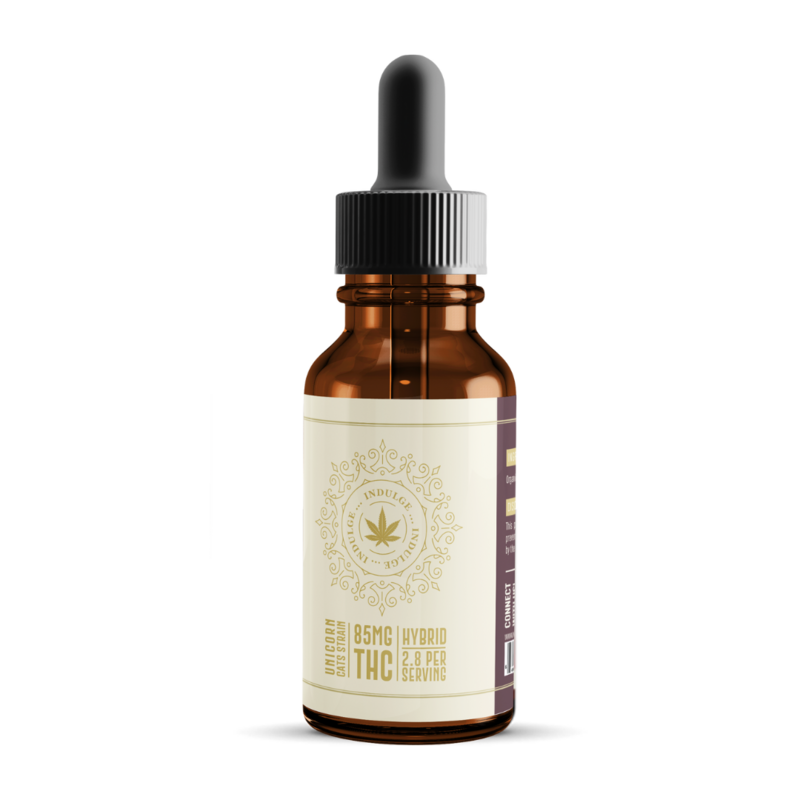
 THC Tinctures - Relax
Very pleased with multiple aspects of the Cannaology Tinctures:
1. Excellent effect, long-lasting and gentle, the best I have found;
2. Almost clear low-viscosity liquid makes last-drop extraction easy;
3. Dropper safety lock is smart, and dropper fills with one squeeze;
4. Flavor is very subtle an…
Wayne N.
Verified
THC Tinctures - Relax
I like to take it after a long day at work or on the weekends when I'm in a bad mood. It works quickly and I don't notice any side effects.
Vanessa R.
Verified
 Delta 9 THC Gummies Blueberry | Indica
These are so yummy it's hard to eat just one
Yvonne L.
Verified
 CBD Sleep Gummies | 4:1 CBN & CBD | Broad Spectrum Split Gummies
This definitely helps me sleep throughout the night. I wake up feeling refreshed.
Binh L.
Verified
CBD Sleep Gummies | 4:1 CBN & CBD | Broad Spectrum Split Gummies
I used to have a problem with falling asleep but after i found CBN & CBD Broad Spectrum Split Gummies. My sleep has become better quality and more restful, in the morning I feel really refrash
Jacob R.
Verified
CBD Sleep Gummies | 4:1 CBN & CBD | Broad Spectrum Split Gummies
Hope these get restocked, this ratio has been working very well against my insomnia.
Evan B.
Verified
 5:1 CBD & THC Gummies | Full Spectrum Split Gummies | New Formula
They work very well for sleep.
Helen M.
Verified
5:1 CBD & THC Gummies | Full Spectrum Split Gummies | New Formula
These are my go to gummies-‘I’ve tried many many kinds and always find myself coming back to these. They are perfect.
Audra R.
Verified
5:1 CBD & THC Gummies | Full Spectrum Split Gummies | New Formula
I finally found something that relates and takes some pain away!
Cynthia C.
Verified
5:1 CBD & THC Gummies | Full Spectrum Split Gummies | New Formula
Loved the product.
shenan s.
Verified
5:1 CBD & THC Gummies | Full Spectrum Split Gummies | New Formula
I like the new sleep formula but it’s too pricey for a person to hat used a full gummy every night. I’ll need to find a n alternative product
Joanne F.
Verified
 Calm Gummies 4:1 CBG & CBN | Broad Spectrum CBD Split Gummies
Sleeping has been a problem for years, but these CBD sleeping gummies are the best. The proportion is just right and I sleep faster and wake up refreshed without any fuzziness. A busy mom's essential.
Amanda L.
Verified
Calm Gummies 4:1 CBG & CBN | Broad Spectrum CBD Split Gummies
I've been using these Night Time Cannabis Gummies for a little over three weeks now, and I honestly don’t want to go without them.
Kaitlyn R.
Verified
 Night Time Cannabis Gummies - Strawberry, Watermelon & Blueberry
My job’s stressful and my sleep’s been garbage since 2020. This tincture helps me wind down without feeling groggy in the morning.
Bryan D.
Verified
CBD Sleep Tincture with Chamomile + Melatonin
FAQ
Yes, for many users. THC interacts with the body's endocannabinoid system to promote deep relaxation and reduce racing thoughts, which can help you fall asleep faster and stay asleep longer.
Start low and go slow. Most beginners find relief with 2.5mg to 5mg taken roughly an hour before bed; this amount is usually sufficient to induce drowsiness without overwhelming side effects.
Yes, federally. Products derived from hemp containing less than 0.3% Delta-9 THC on a dry weight basis are compliant with the 2018 Farm Bill, making them accessible online across the country.
It depends on the dose and timing. Taking too high of a dose or consuming edibles too late at night may result in lingering drowsiness; finding your optimal dose helps ensure you wake up refreshed.
Vetted quality. NothingButHemp adheres to strict safety standards, ensuring that every product on our shelves is backed by third-party lab testing. We verify that the cannabinoid profile matches the label and that products are free from harmful additives. Shopping with us means prioritizing safety, transparency, and education in your wellness journey.