





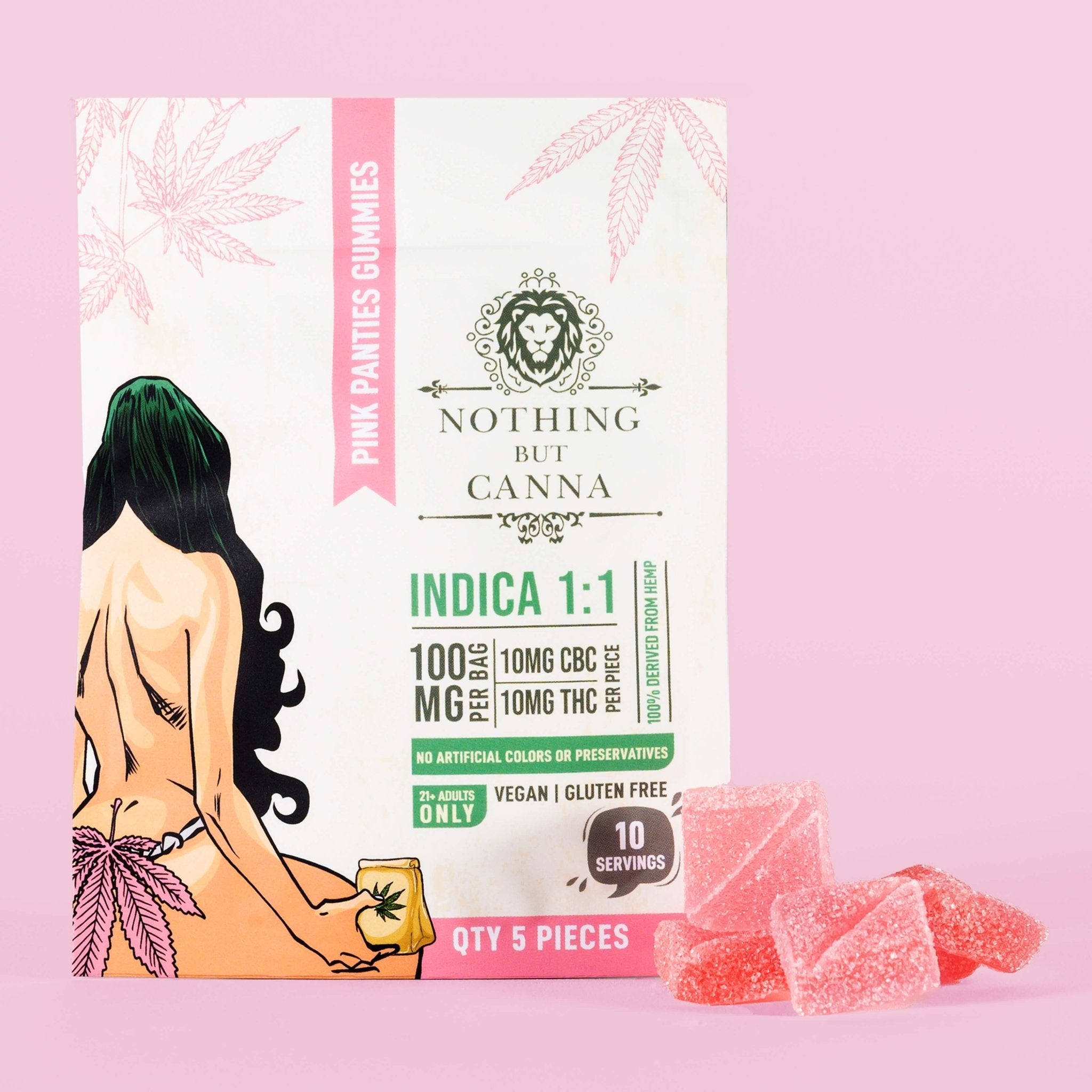

“Legal hemp highs” like HHC went from a niche interest to a hot topic in legal and research spaces. This shift happened as more states tightened restrictions on intoxicating hemp-derived cannabinoid products. In this guide, you’ll see how HHC really compares to Delta‑9 on effects, risks, and benefits so you can decide what actually belongs in your stash. This article covers Minnesota’s new rules, drug-test questions, and dosage timing. It explores the science, the laws, and the practical dilemma: “Should I go with delta-9? Or should I try HHC?”
What Is the Difference Between HHC and Delta 9 THC?
What Is HHC (Hexahydrocannabinol)?
HHC or hexahydrocannabinol is the hydrogenated derivative of THC, also known as tetrahydrocannabinol. The double bond on the THC core ring is saturated with hydrogen atoms. After the hydrogenation process, it can twist into two ways: 9r or 9s epimers.
Under lab conditions, CBD can be chemically transformed into HHC, but not by “direct hydrogenation of CBD in one step,” the way the THC molecule is hydrogenated to HHC. Commercial HHC is typically “CBD‑derived” in the sense that manufacturers start from hemp CBD, chemically convert it into THC‑like intermediates, and then hydrogenate those to HHC.
What Is Delta 9 THC (Regular THC)?
Delta-9 THC or Delta-9 Tetrahydrocannabinol is more commonly known as “THC”—even though it’s not only the THC isomer or analog. Delta‑9 has been studied, used, and regulated long enough—and deeply enough—that it effectively became the default “THC” in science, medicine, law, and consumer culture. It makes sense—THC gets polarizing views because it’s the dominant cannabinoid. First, it produces the main high that people associate with cannabis plant strains. Second, it’s one of the few cannabinoids with established pharmaceutical uses (like dronabinol and nabilone). And even compared to other cannabinoids and THC analogs, cannabinoid delta-9 remains the most potent.
How Are HHC and Delta 9 Different in Chemical Structure?
HHC and THC differ not just in name but in their chemical structure and, therefore, their capabilities and effects. Like a hydrogen-boosted sibling of THC, HHC has six additional hydrogens instead of four. This means it's a much more saturated but more stable version of THC. “Hexa” = “more hydrogen, more saturation, more stability” compared with “tetra.” Other differences:
- Name: Delta‑9 = specific unsaturated phytocannabinoid; HHC = saturated THC analog.
- Molecular Structure: Delta‑9 has a key double bond; HHC has a fully hydrogenated ring.
- Stereochemistry: Delta‑9 is one main natural isomer; HHC is usually a mix of 9R and 9S epimers.
- Origin: Delta‑9 is plant‑made; HHC is semi‑synthetic from CBD‑derived intermediates.
- Pharmacology: both bind CB1 in the body's endocannabinoid system, but HHC’s saturated ring and epimer mix generally reduces and complicates potency compared to canonical Delta‑9.
Is HHC Natural or Semi‑Synthetic?
HHC is best described as semi-synthetic because it comes from a naturally occurring compound but has undergone only a chemical process. HHC in the market is a byproduct of transforming naturally occurring compounds—usually from hemp-derived CBD. What happens is a multi-step intentional chemical process called hydrogenation and cyclization. Even the European Monitoring Centre for Drugs and Drug Addiction (EMCDDA) treats HHC as a novel psychoactive compound produced industrially from hemp extracts.
Are HHC Products and Delta 9 Cannabis Products Derived from Hemp or Marijuana?
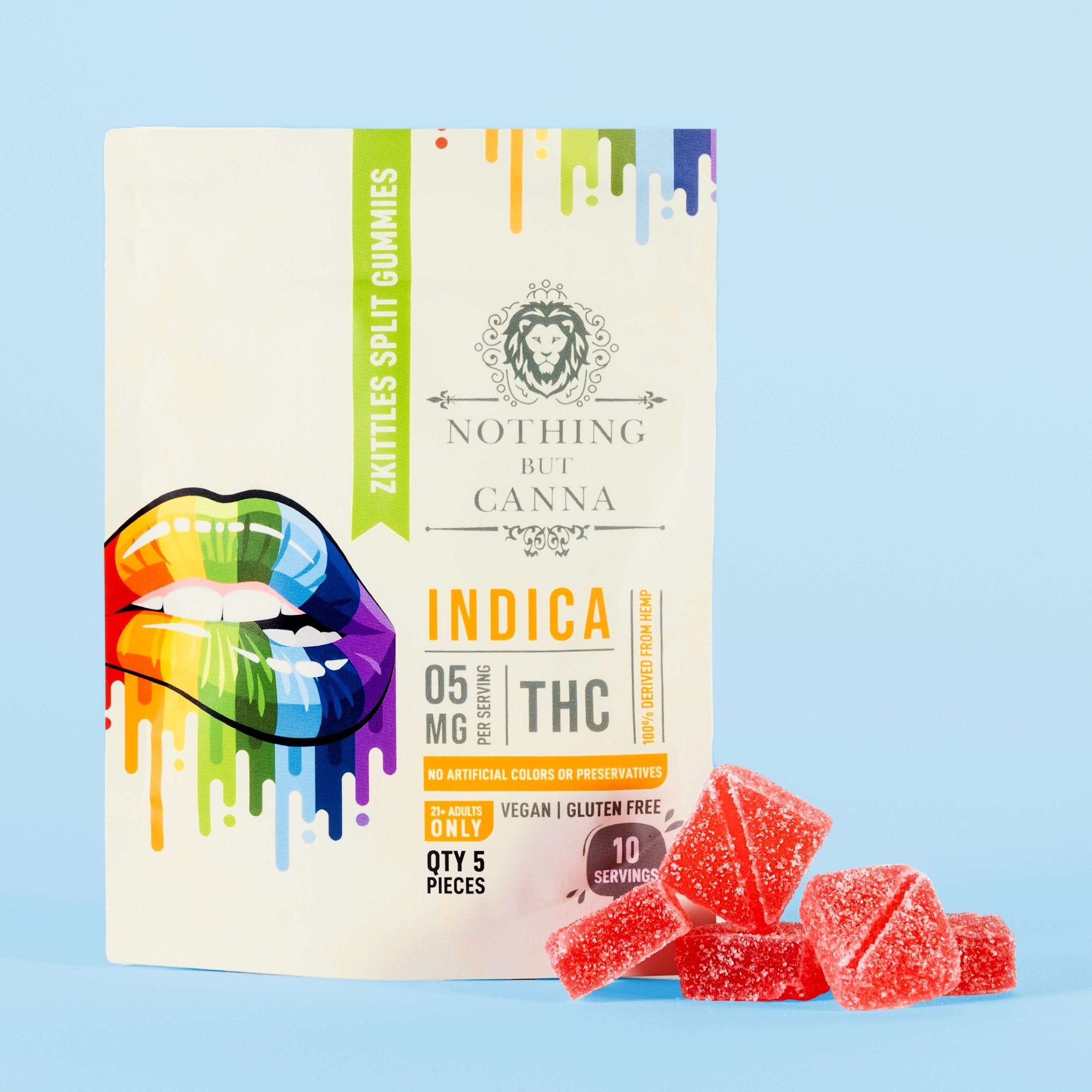
Commercial HHC is made of hemp extracts—particularly CBD from Farm-Bill-compliant hemp that’s converted to THC analog intermediates and then hydrogenated to form HHC epimers. These HHC epimers are now commonly found in vapes, gummies, and other forms in the hemp markets where cannabis is not yet legal.
Delta-9 is a naturally occurring cannabinoid found in high amounts across most strains, so there’s no need for chemical processes. Hemp delta-9—which is the THC found in products sold in states where 0.3% THC—comes from the hemp plant. Meanwhile, in places where local laws delta- 9, it can be from the hemp or marijuana plant.
Do HHC and Delta 9 Get You High?

Which Feels Stronger: HHC vs Delta 9 THC?
Delta-9 THC is more potent than HHC. In commercial HHC products, researchers found that the 9R epimer of HHC dominates. The 9R-HHC is a more active CB1 agonist than the 9S-HHC; that’s why it offers a similar high THC experience. Note that HHC requires further studies on its effects, especially given that pharmacology papers report its “cannabinoid tetrad” potential—motor suppression, hypothermia, catalepsy, analgesia.
How Long Do the Effects of HHC Products and Delta 9 Last?
It depends; the onset and peak times when inhaled or oral are almost the same for Delta-9 and HHC. These numbers are approximate and not exact. For HHC, evidence comes from one human study and regulatory tests, so specific timings are provisional and may vary by dose, product, and individual.
| Onset | Peak | Duration of noticeable potent psychoactive effects* | ||
| Inhaled | HHC | 5–10 mins | 15–45 mins | 2–4 hrs |
| Delta-9 | 5–10 mins | 15–45 mins | 2–4 hrs | |
| Oral | HHC (25mg gummy) | 30–90 mins | 2–4 hrs | 4–8 hrs |
| Delta-9 (10mg brownies) |
30–60 mins | 2–3 hrs | 4–6+ hrs | |
Can HHC Make You Fail a Drug Test Like Delta 9 THC?
Yes. HHC can trigger positive results on standard drug tests designed for Delta‑9 THC, but advanced testing can distinguish between them. Both HHC and THC can make you feel high and might show up on job or legal drug tests, so HHC isn't safe to use if you're worried about testing.
- Traditional drug tests target THC metabolites like THC‑COOH, which are detectable for days to weeks. Recent studies have identified specific HHC metabolites, such as 11‑hydroxy‑HHC and 11‑nor‑9‑carboxy‑HHC, that can cause cross-reactivity.
- LC‑MS/MS methods can confirm HHC use by detecting these metabolites. Clinical cases show that many THC-positive, GC‑MS-negative samples were actually due to HHC.
HHC vs Delta 9 Effects: Similarities and Differences
Psychoactive Effects: Euphoria, Relaxation, and More
The active 9R form of HHC binds to CB1 receptors, so both HHC and Delta‑9 can cause euphoria, relaxation, and altered perception at sufficient doses. A small human study using 25 mg HHC gummies and standardized HHC vape puffs found strong cannabis‑like intoxication and measurable impairment on coordination tasks, confirming that HHC can produce a full “high.” However, responses were more variable than with typical Delta‑9 doses.
Potential Medical or Wellness Benefits of HHC Products vs Delta 9
Delta‑9 THC has known medical uses:
- Dronabinol and nabilone are approved for nausea from chemotherapy and appetite loss in AIDS. Trials show they may help with appetite and some nerve or chronic pain.
- Early research also looks at Delta‑9 products for muscle tightness, sleep issues, and comfort during serious illness, but they often have side effects like anxiety and memory problems.
HHC currently has no human clinical trials showing benefit for any health or wellness condition; existing studies focus solely on metabolism and intoxication, so claims that HHC helps with stress, sleep, or pain are marketing claims rather than proven therapeutic effects.
Is HHC Safer Than Delta 9 THC?

Risks, adverse effects, and toxicity of Delta‑9 vs HHC
Delta‑9 in Minnesota’s legal market can bring on racing thoughts, anxiety, a fast heart rate, and clumsy driving, especially at higher edible doses, and heavy daily use is tied to psychosis risk and severe vomiting episodes in some people. HHC products, often sold in hemp shops or online, act THC‑like but sit on shakier science, with scattered reports of panic, hallucinations, and passing out after just a few hits or gummies.
Lab testing, composition, and purity concerns
In Minnesota’s regulated Delta‑9 market, products must be lab‑tested for potency, pesticides, heavy metals, solvents, and microbes, so a 5 mg or 10 mg label means something. HHC hemp products often blend multiple HHC isomers and reaction byproducts, so Nothing But Hemp prioritizes third‑party certificates of analysis and clear cannabinoid breakdowns before putting anything on shelves.
Safety tips for first‑time HHC and Delta‑9 users
With Minnesota‑legal edibles, starting around 2.5–5 mg Delta‑9 and waiting a full 2–4 hours keeps most people out of the “I took way too much” zone that fills ERs and poison‑control logs. For gas‑station or online HHC, treat the dose as a guess, go even lower, skip the car keys and the drinks, and, if you can, stick with clearly tested state‑legal Delta‑9 instead.
Legal Status of HHC vs Delta 9 THC
Is HHC Legal in the United States or Federally Legal at All?
Federally, HHC sits in a gray legal area. Stakeholders argue it is hemp‑derived and allowed under the 2018 Farm Bill. However, its status as a semi‑synthetic intoxicant means the FDA and DEA have not clearly approved it. Several states have moved to restrict or ban HHC alongside Delta‑8 and other hemp‑derived THC products.
Is Delta 9 THC Federally Legal or Banned?
Under federal law, Delta‑9 THC above 0.3% by dry weight remains a Schedule I controlled substance. Only low‑THC hemp, which contains 0.3% or less Delta‑9 THC, is legal. Additionally, a few FDA‑approved THC medicines, such as dronabinol and nabilone, are federally legal.
Many states have individually legalized either medical or adult-use cannabis that contains higher THC Delta-9. However, these same products remain illegal under the federal Controlled Substances Act.
Hemp‑Derived vs Marijuana‑Derived Cannabis Products (Including Delta‑8 THC and HHC)
Hemp‑derived products—Delta‑8, HHC, and even hemp Delta‑9—tend to exploit the Farm Bill’s ≤0.3% Delta‑9 THC definition, but states are increasingly treating them lately as “intoxicating hemp cannabinoids” like marijuana. Soon, we might see bans on HHC outside licensed cannabis markets. Marijuana‑derived Delta‑9 products are sold only through state‑licensed dispensaries in legal states, with testing, age limits, and THC dose controls.
Can You Buy HHC Gummies and Delta 9 Products Online Legally?
You can usually buy HHC gummies and hemp‑derived Delta‑9 edibles online, but it is only legal if your state still allows intoxicating hemp products to be shipped there; several states now restrict or ban them outright, and federal policymakers are weighing “total THC” caps that could further limit mailed hemp edibles. By contrast, marijuana‑derived Delta‑9 from state‑licensed dispensaries can only be delivered where both cannabis sales and home delivery are explicitly permitted under that state’s cannabis program.
Which Is Better: HHC or Delta 9 THC?
Use Case Scenarios: Relaxation, Sleep, Focus, or Pain Relief
For winding down at night or getting to sleep, Minnesotans in the state’s medical and adult‑use systems usually reach for low‑to‑moderate THC flower or edibles with tested potency, often from indica‑leaning or “relaxing” chemovars. For pain, clinical and observational data support regulated Delta‑9 and balanced THC:CBD formulations far more than any HHC product.
HHC gummies and vapes lack controlled trials, have variable isomer mixes, and show inconsistent labeled potency, making them a weaker choice for serious sleep or pain goals.
Which Cannabinoid Is More Beginner‑Friendly: HHC or Delta 9 THC?
For beginners in or near Minnesota’s legal area, small doses of regulated Delta-9 (e.g., 1 to 2.5 mg THC gummies) are safer to try than unregulated HHC. This is because labels, testing, and staff guidance help reduce guesswork. HHC is semi-synthetic, has varying isomer ratios, and has limited human data. This means first-timers risk unpredictable strength even at the same labeled dose.
What Do Users Prefer Based on Reviews of HHC Products and Delta 9 Cannabis Products?
Most consumers in legal states still prefer Delta‑9 flower and edibles for their reliable potency and familiar strain effects. HHC is used mainly where Delta‑9 access is restricted or for curiosity. Some users report HHC as more precise or less intense, but complaints of inconsistency and off-target effects are common. Delta‑9 reviews highlight predictable relaxation, flavor, and strain-specific experiences.
FAQs About HHC and Delta 9 THC
Can You Mix HHC and Delta 9 THC?
Yes, you can mix them. However, since both are CB1 agonists—while you think you're increasing the effects—you’re also increasing the risks for any unwanted effects.
Is HHC Legal in All 50 States?
No. Several states have banned and restricted HHC and other intoxicating cannabinoids sourced from hemp. It’s best to check your state’s current cannabis laws.
Does HHC Show Up on a Drug Test Like Delta 9 THC?
Yes. HHC use can generate specific metabolites (like HHC‑COOH) that appear in urine and can be detected by modern LC‑MS/MS methods.
Is Delta 9 THC the Same as “Regular THC”?
Yes, somehow. THC or regular THC refers to delta-9, in most scientific, legal, and consumer contexts.
Is HHC Stronger Than Delta 8 THC or Delta 9 THC?
It depends on the dosage and route of administration. Considering the same dose and other variables, HHC is weaker than delta-9.
Final Thoughts on HHC vs Delta 9 THC

Choosing the Right Cannabinoid for Your Needs and Products (HHC Gummies, Delta 9, and More)
For relaxation, sleep, or mild pain in Minnesota, low-dose Delta-9 gummies or drinks are safest due to clear labeling and testing. HHC gummies appeal to experienced users as hemp-derived options. HHC should be considered experimental—with attention to dosage, onset, and safety gaps.
Legal and Safety Tips Before Buying HHC or Delta 9 Cannabis Products
In Minnesota, treat HHC and Delta‑9 like alcohol: be ready to show valid ID and only buy from businesses following state hemp or cannabis rules, including age limits and THC‑per‑serving caps. Before choosing in‑store pickup, curbside, or any online order, confirm that Nothing But Hemp (or any retailer) is operating under current state law for that product type—no shipment or delivery method is guaranteed legal unless state rules explicitly allow it.
Why It’s Important to Buy Lab‑Tested HHC Products and Delta 9 THC Products
Lab test results are not just “nice-to-haves”. The state requires them to ensure potency, stability, and purity before any retail sale. HHC can contain mixed isomers and other byproducts if not tested rigorously. Nothing But Hemp emphasizes third-party lab results and transparent sourcing from trusted farmers. This approach supports public health and builds trust with consumers and municipal partners.