




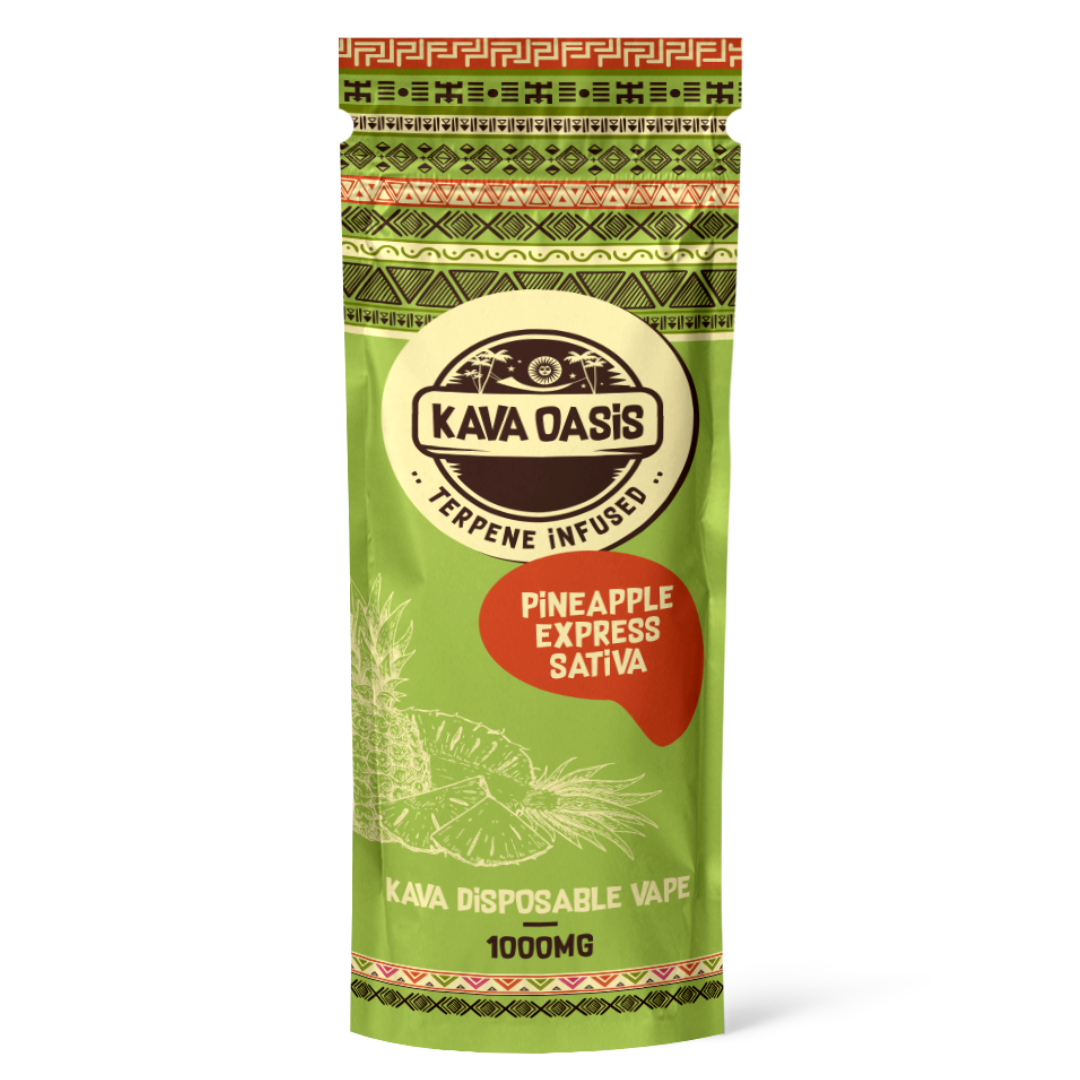
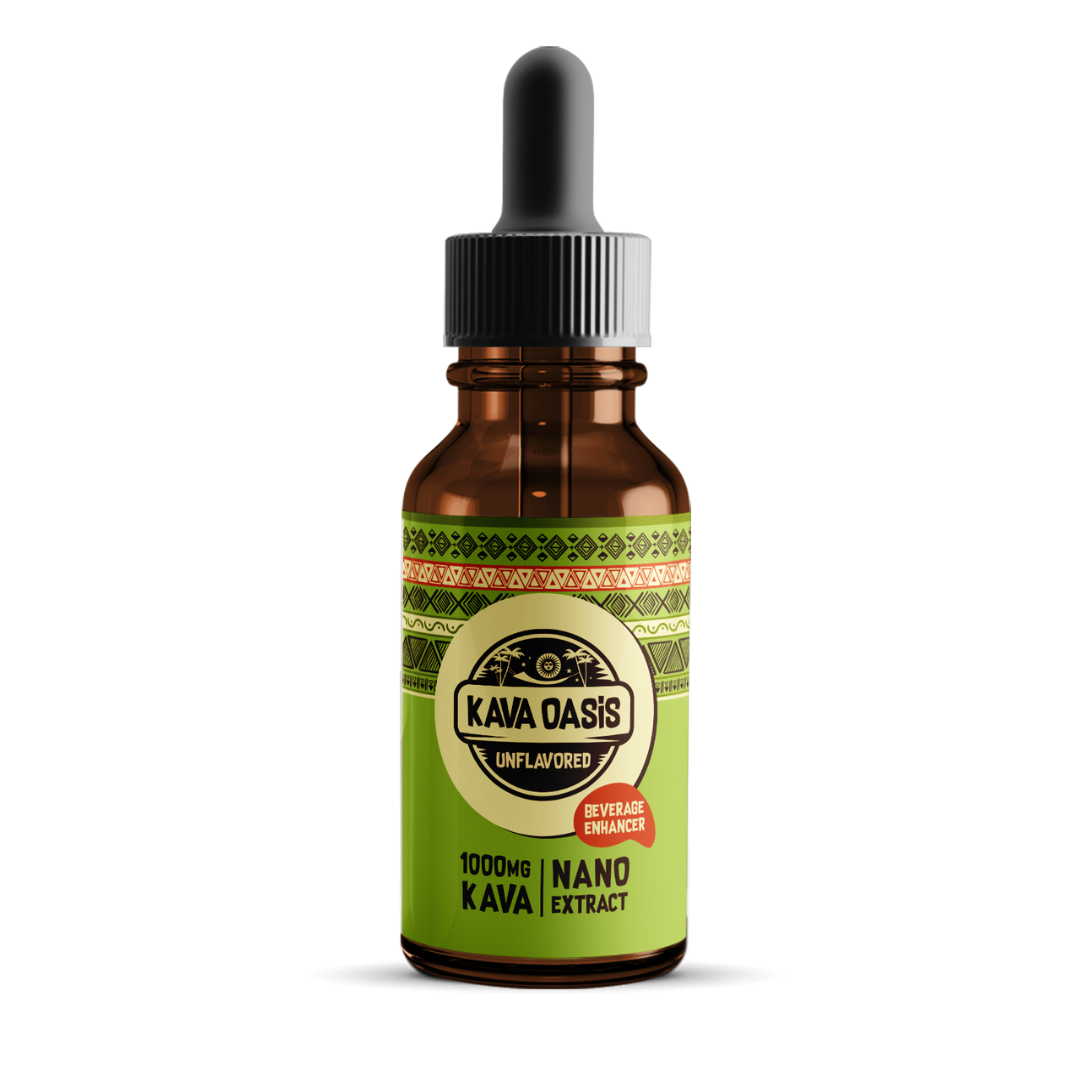
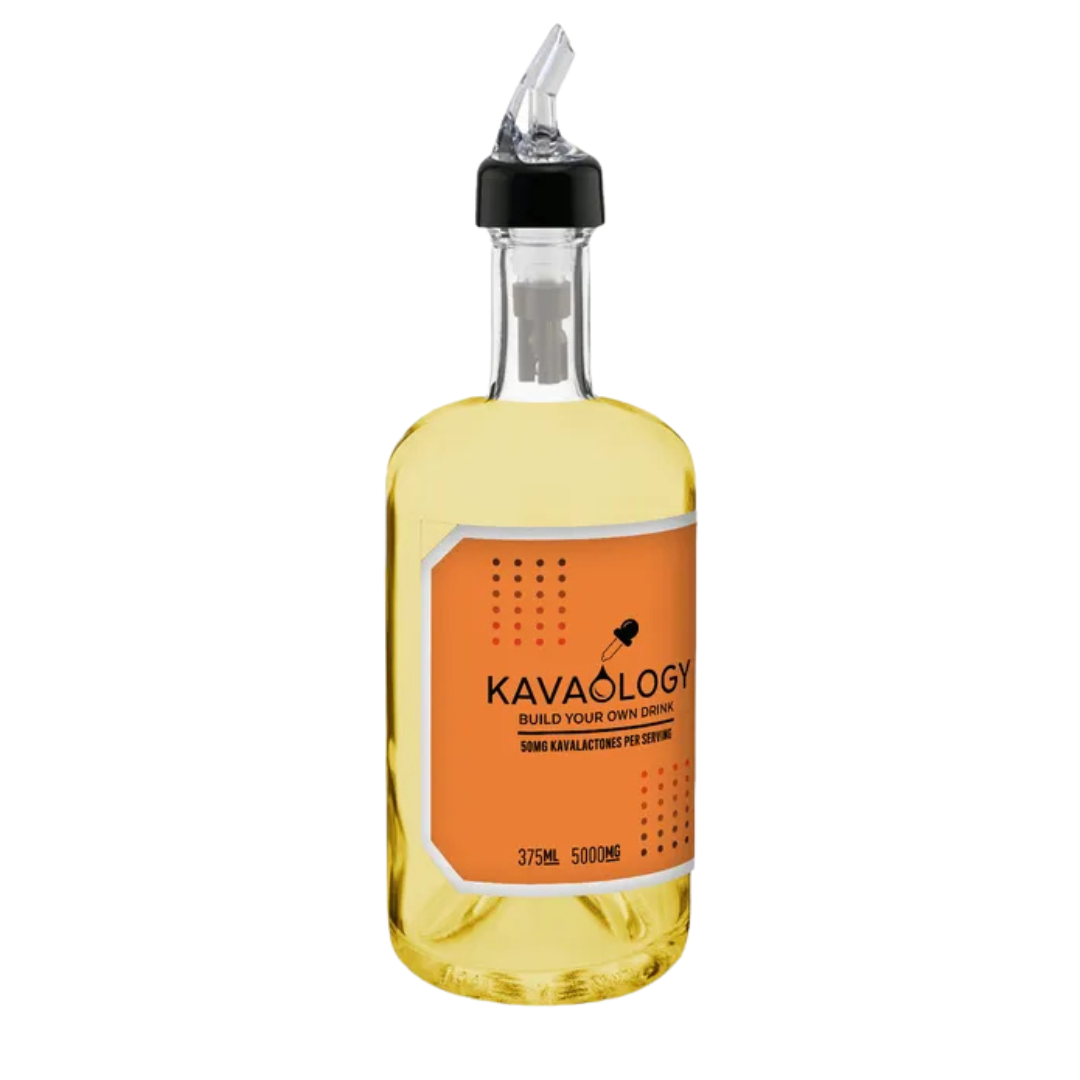

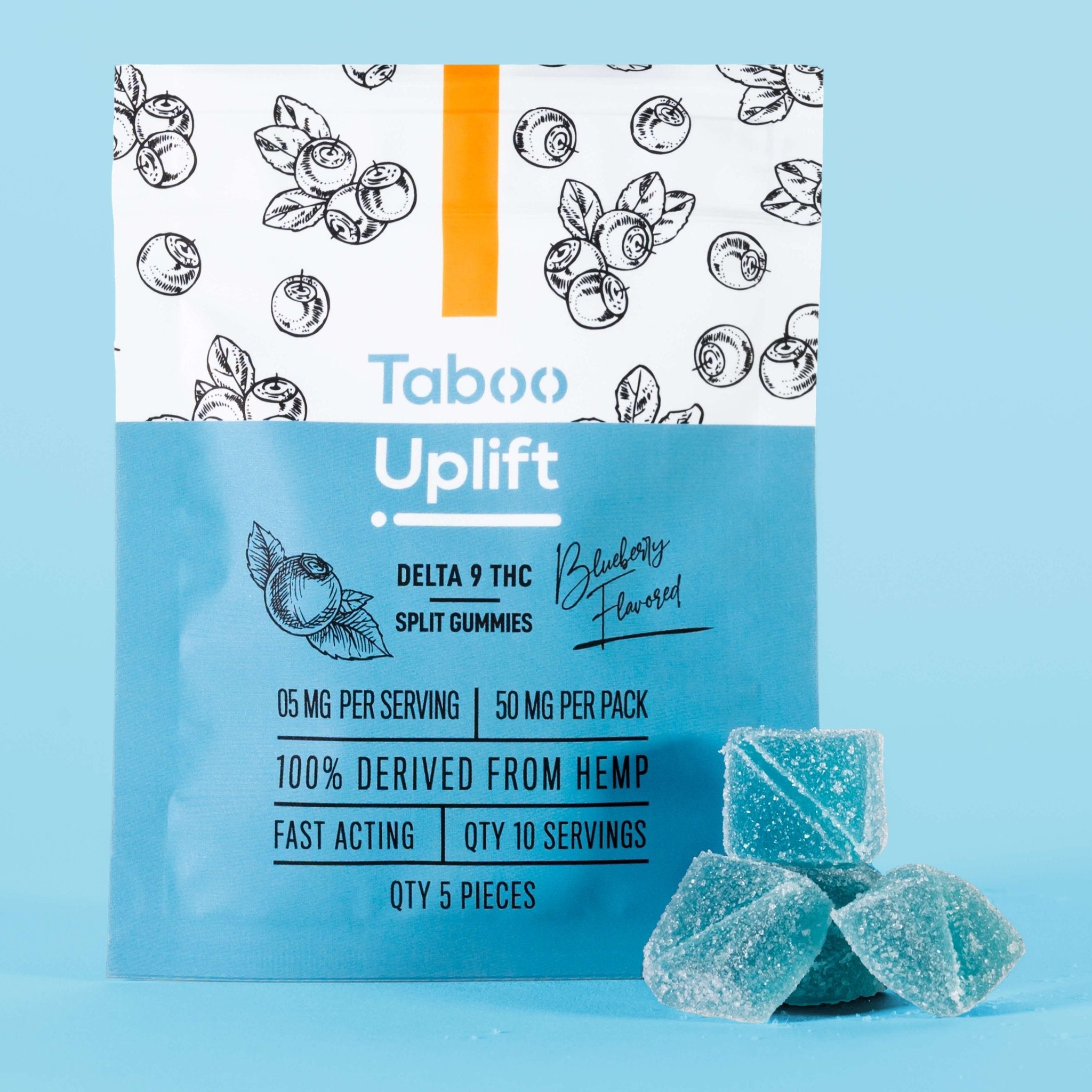


Let’s begin with something important.
This is an opinion piece.
It reflects my perspective based on industry conversations, public positioning, firsthand discussions within the hemp space, and what many operators and consumers are observing nationally. It is not an accusation of unlawful conduct. It is not a claim of secret conspiracies. It is commentary on strategy, incentives, and how certain market positions appear to be shaping policy conversations.
Now that the legal throat-clearing is complete, let’s talk about bubbles.
Because in some corners of the country, THC has apparently undergone a miraculous transformation.
If it’s in a gummy, it’s controversial.
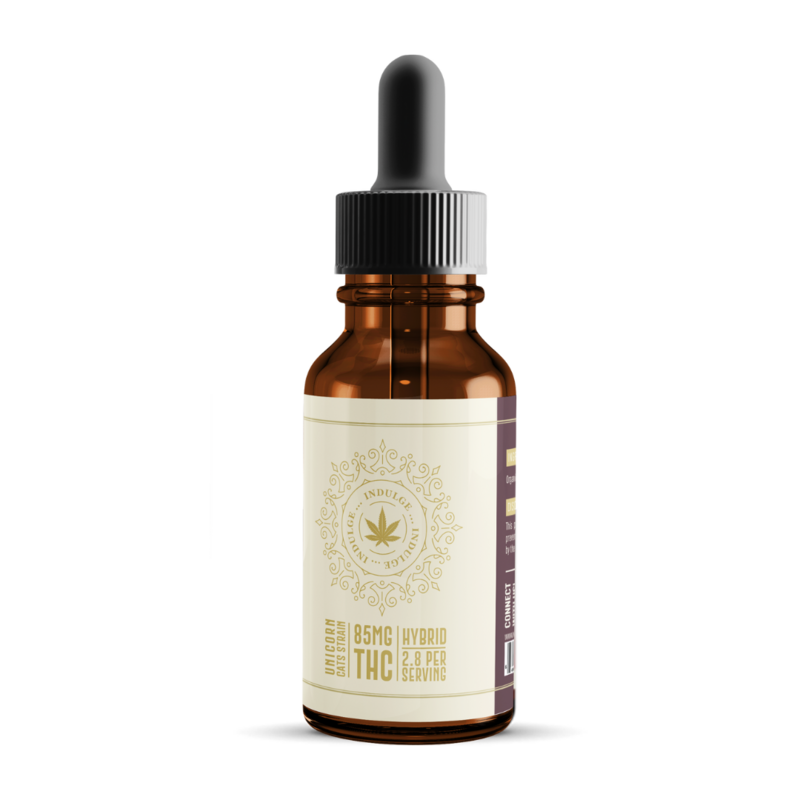
If it’s in a tincture, it’s troubling.
If it’s in a capsule, it’s complicated.
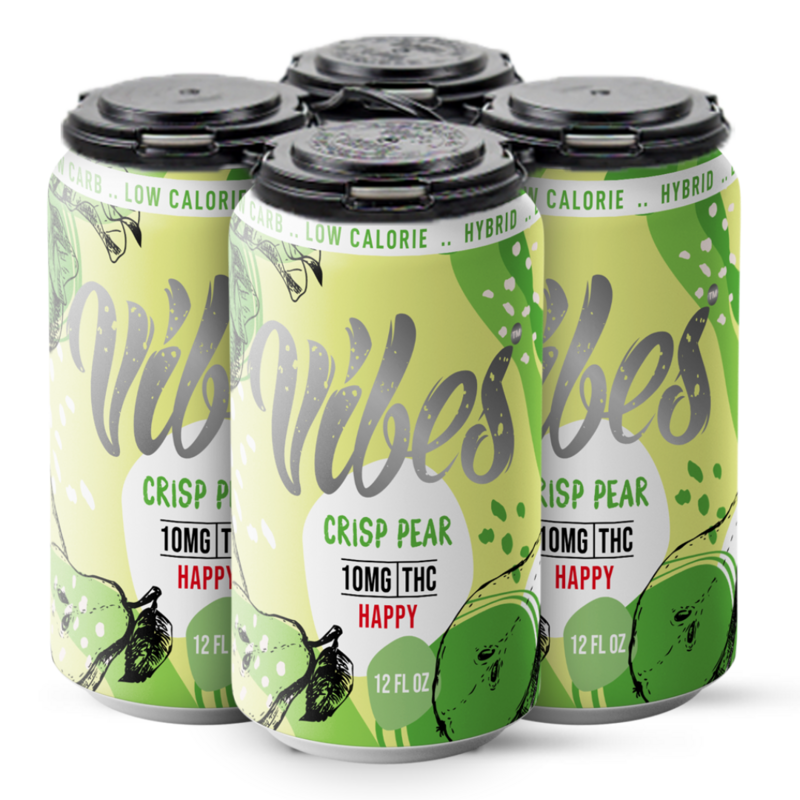
But if it’s in a sleek aluminum can with a satisfying hiss?
Welcome to the club.
Somehow, carbonation has become a moral upgrade.
The Great Cooler Doctrine
From the outside looking in, it appears that certain large alcohol retailers, including Total Wine and Specs, are very comfortable with hemp-derived THC beverages. They fit nicely into existing distribution systems. They stack beautifully in coolers. They behave like alcohol’s polite, plant-based cousin.
But when it comes to the broader hemp-derived THC category, especially compliant edibles, enthusiasm appears to cool considerably.
Again, this is perspective based on industry discussions and observed positioning. But when advocacy energy seems heavily concentrated on beverage carve-outs while other formats receive skepticism, a pattern forms.
It starts to feel like the Great Cooler Doctrine:
If it fits next to the beer, it’s responsible.
If it sits on a shelf without condensation, we need a committee.
One can almost imagine the internal test:
Does it require refrigeration?
Yes. Approved.
Does it require adaptation?
Yes. Schedule a safety symposium.
Let’s Actually Talk About Safety
Safety is the word that gets floated most often in these conversations.
And to be fair, safety absolutely matters.
But let’s talk honestly about what drives risk in this category.
It is not format.
It is dose.
High-dose, poorly labeled, untested products are where legitimate safety concerns exist. That problem can occur in beverages or edibles.
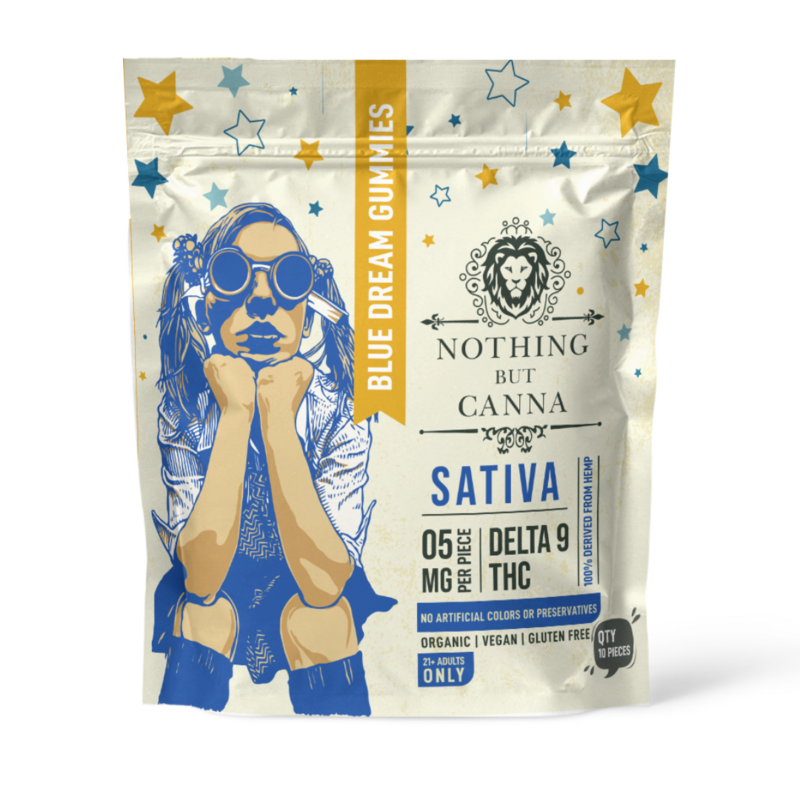
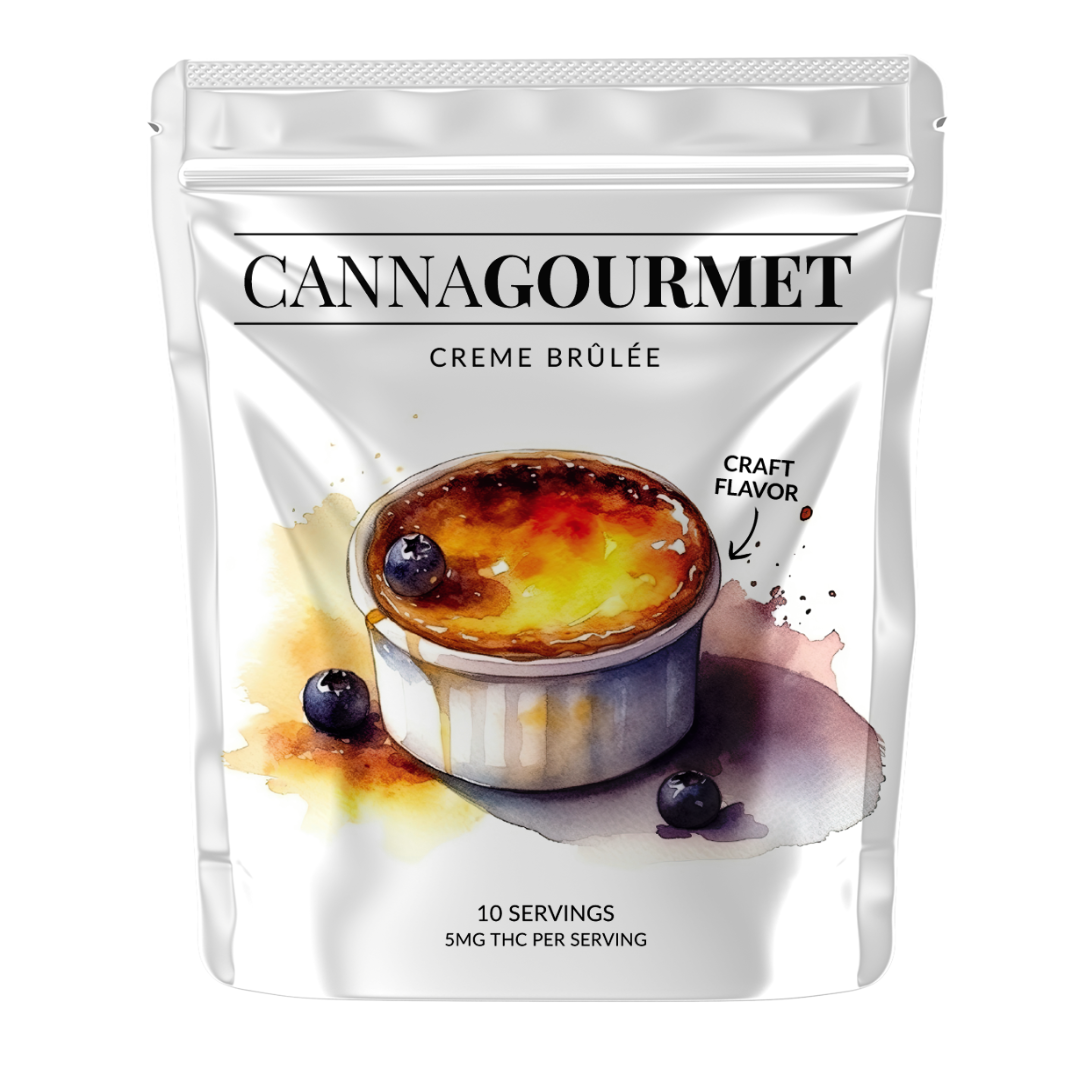
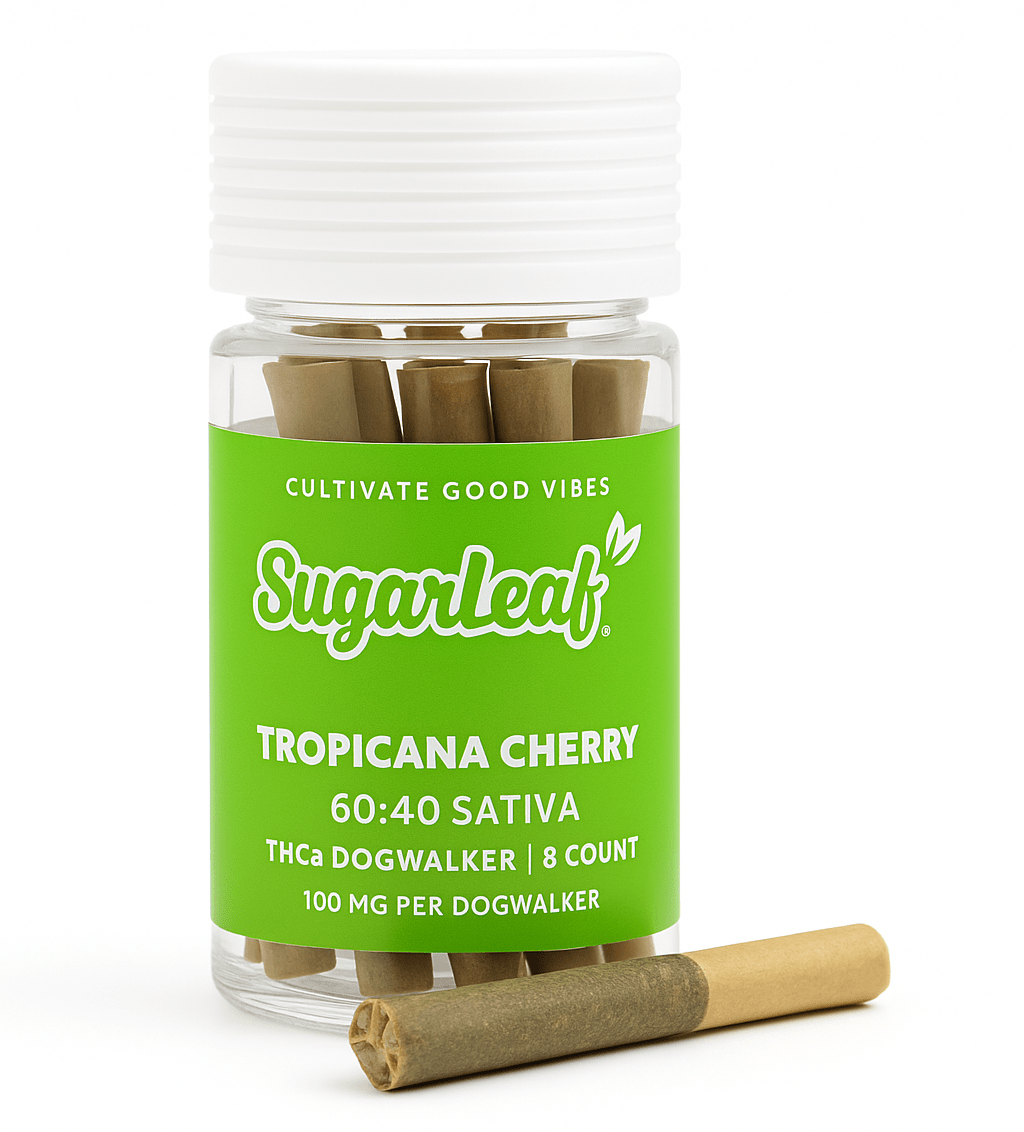
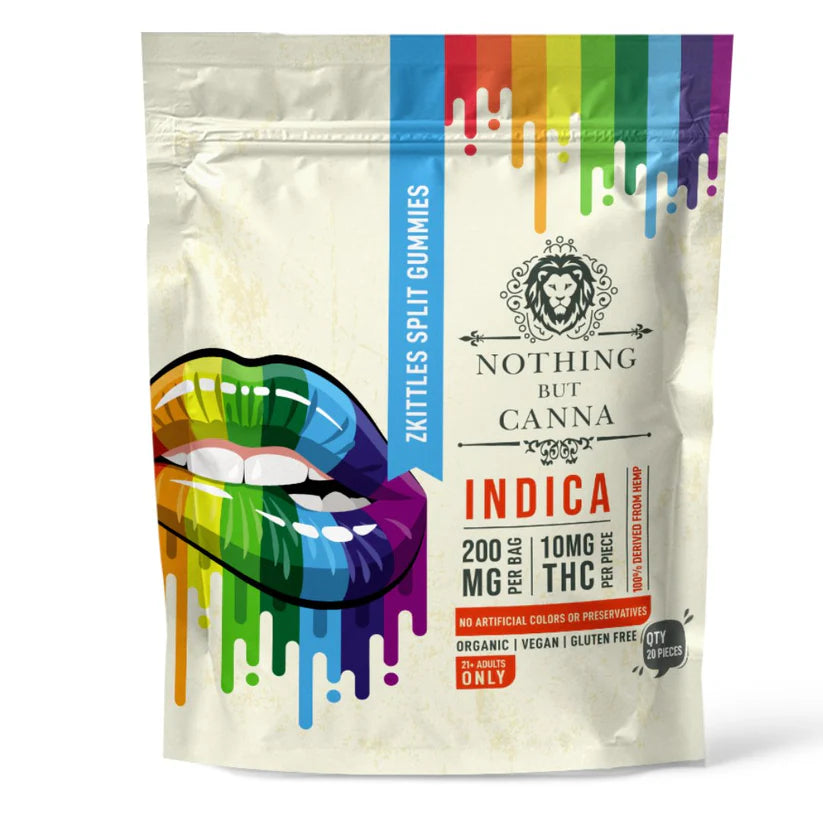
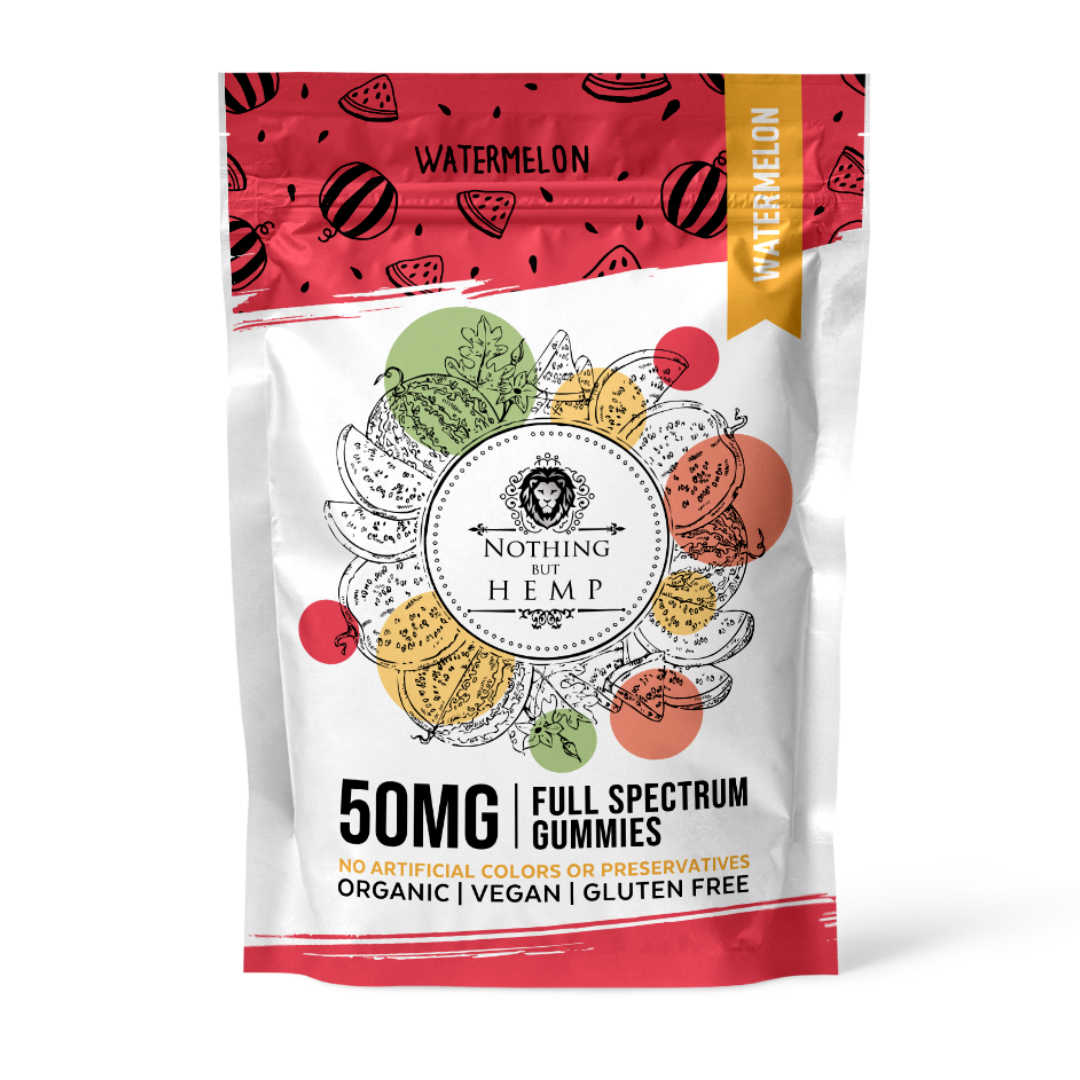
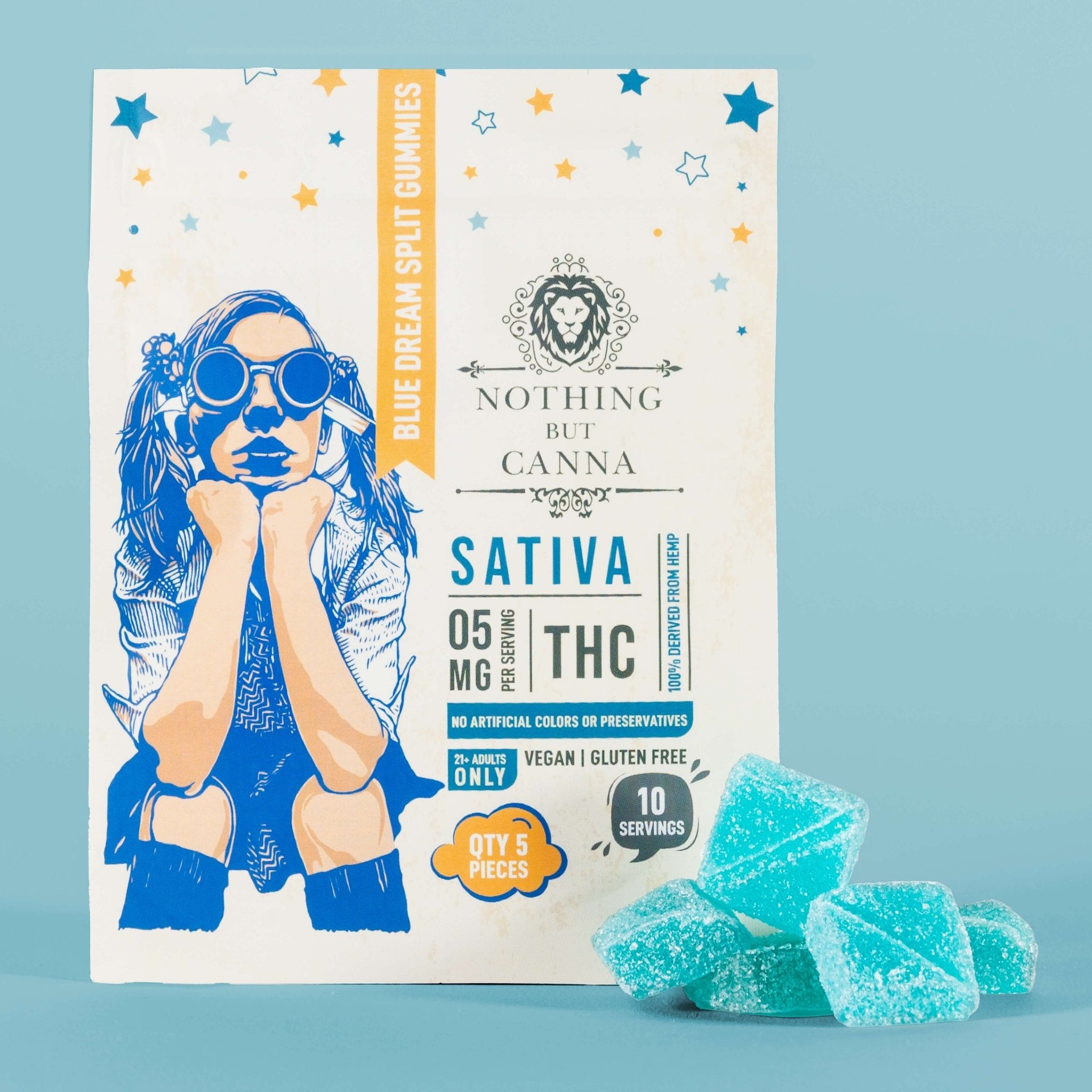
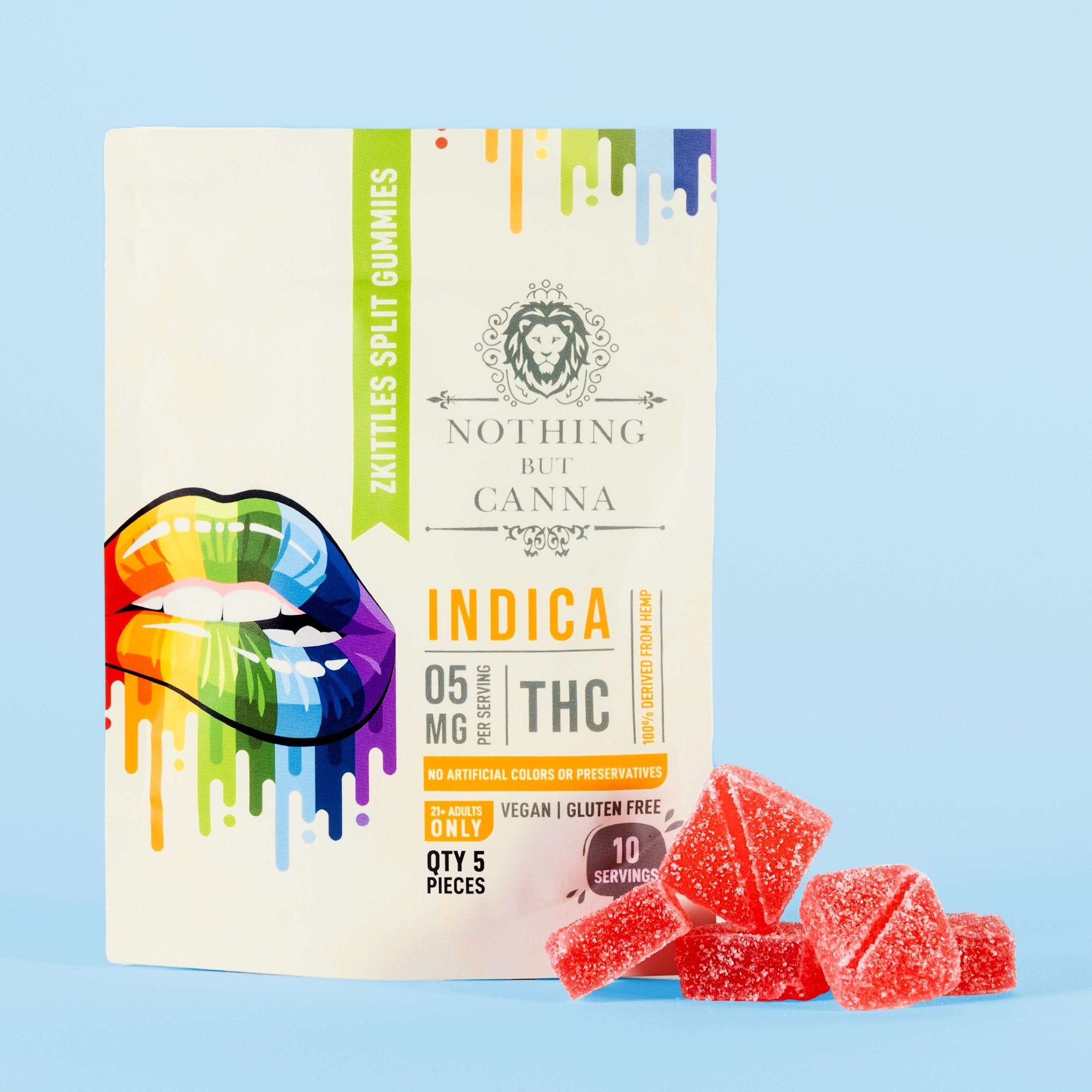
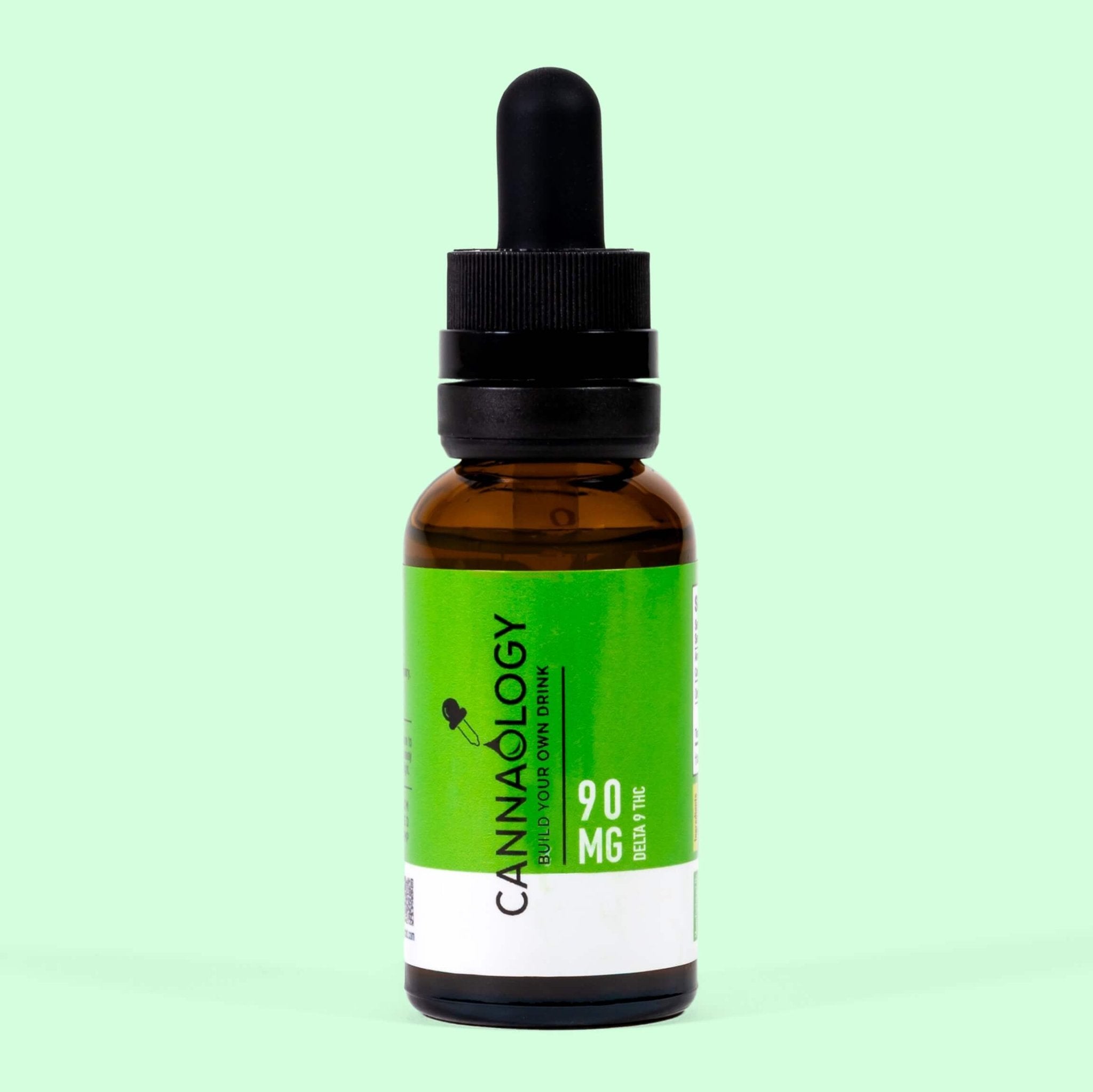
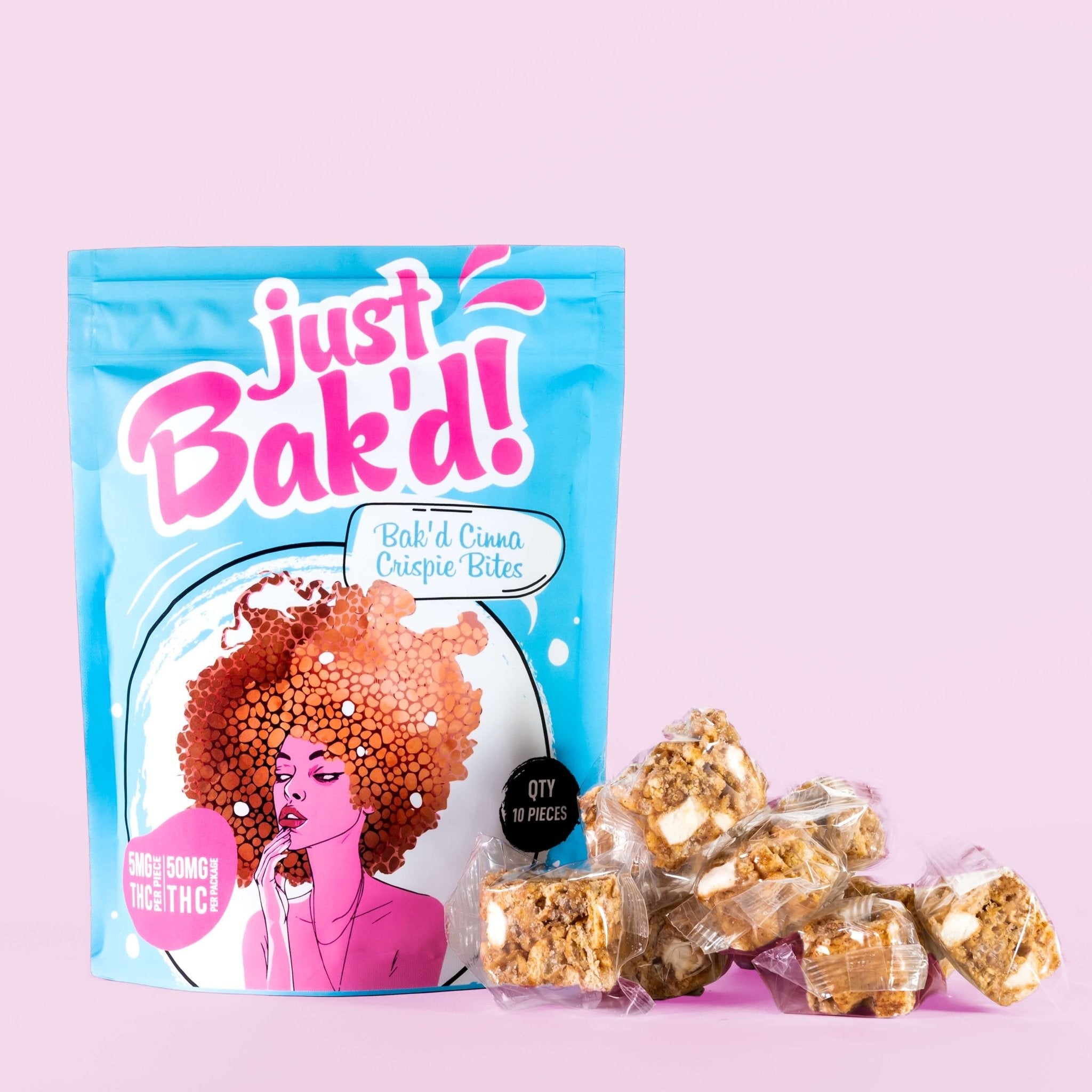
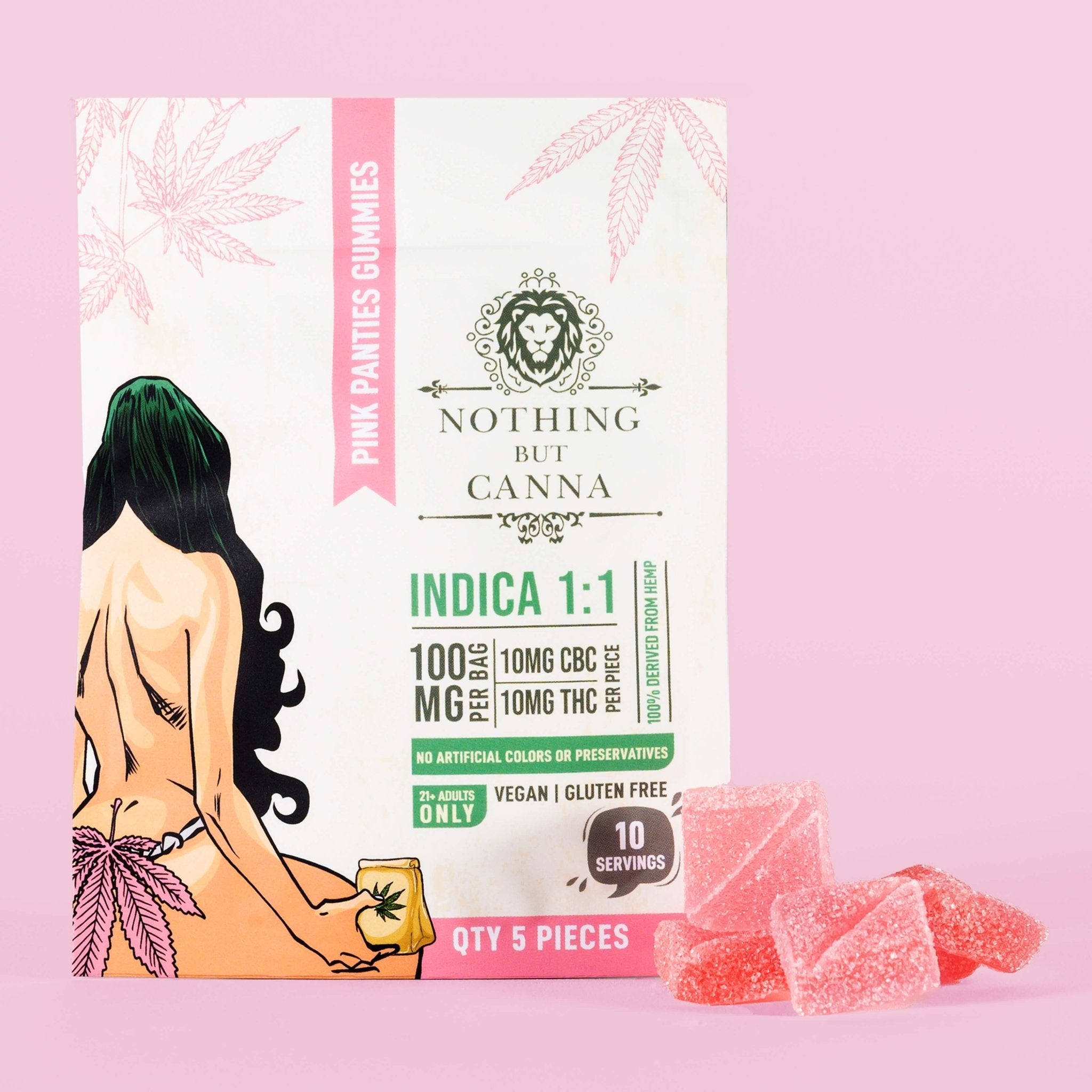
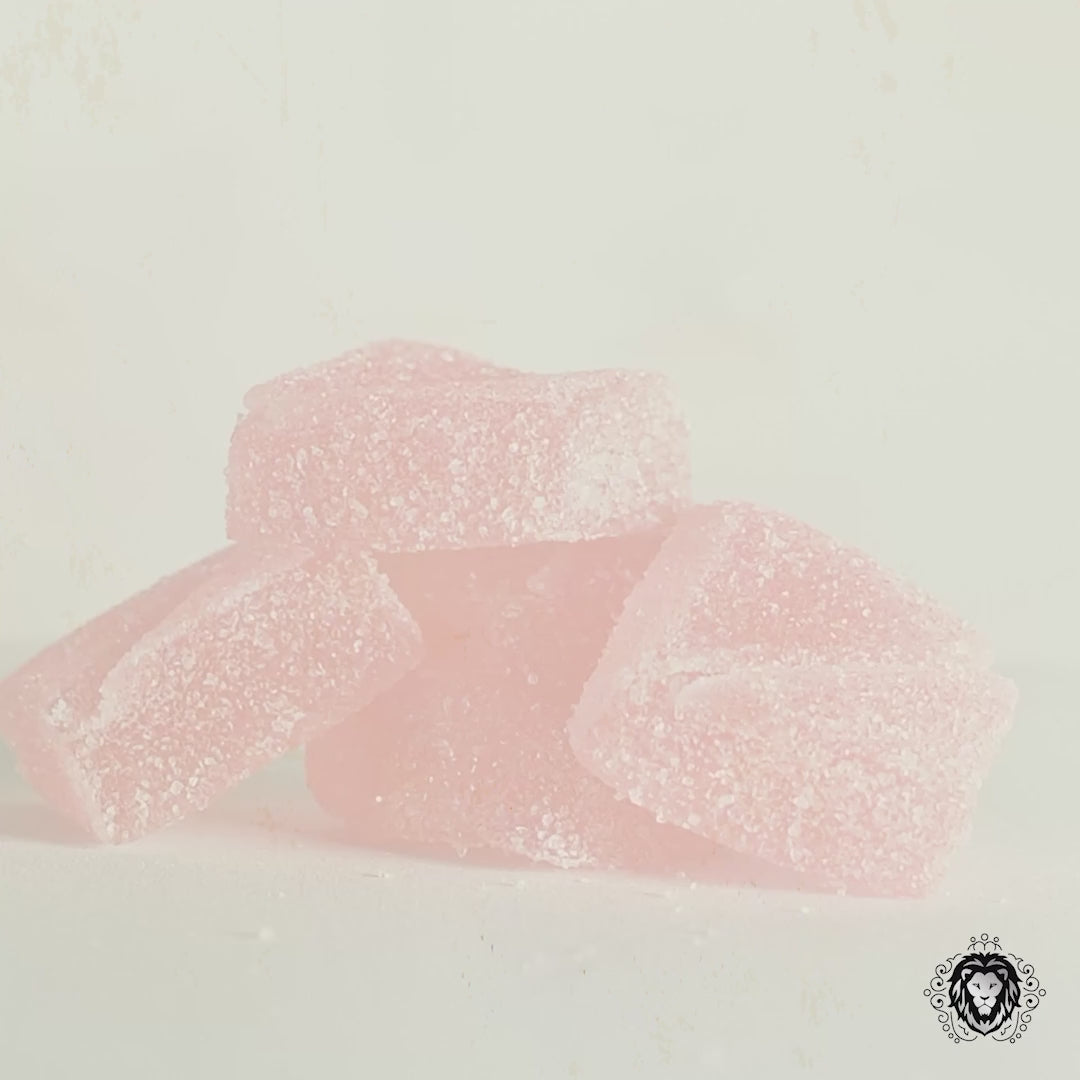
You can have a compliant 5 mg gummy with lab testing and clear labeling.
You can also have a high-dose beverage that pushes the boundaries of responsible serving.
The risk variable is not “chewy versus fizzy.”
It is:
• Clear dose limits
• Lab verification
• Responsible packaging
• Enforceable retail standards
Minnesota understood this.
The Minnesota Reality Check
Minnesota implemented a structured hemp framework:
5 mg per serving.
100 mg per package.
Lab testing.
Age verification.
Retail compliance.
Retailers like Top Ten Liquors and municipal liquor stores carried compliant edibles under these rules.
They trained staff.
They followed dose caps.
They checked IDs.
They complied.
And remarkably, civilization continued uninterrupted.
There were no emergency summits on “The Gummy Crisis.”
This demonstrates something fundamental.
Safety is regulation-dependent, not bubble-dependent.
The molecule does not become safer because it is floating in sparkling water.
National Conversations and Perceptions
According to industry discussions, Steven Brown, CEO of Nothing But Hemp, has spoken with companies engaged in lobbying efforts in South Carolina. In those conversations, Total Wine has been described as a leading opponent to broader hemp category frameworks, while appearing more supportive of beverage-focused approaches.
In Texas, industry participants have described Specs in similar terms, emphasizing beverage pathways.
To be clear, these descriptions reflect industry perception and reported positioning. They are not accusations of unlawful conduct.
But when similar themes appear across states, people notice.
From a distance, it can appear as though THC receives a warmer welcome when it shows up dressed like a seltzer.
Perhaps gummies need tiny pull tabs.
Infrastructure Over Innovation?
Beverages integrate seamlessly into alcohol distribution systems.
They travel through familiar channels.
They preserve wholesaler relationships.
They protect existing operational architecture.
Edibles, on the other hand, expand opportunity. They allow smaller compliant manufacturers to compete. They create product diversity. They are not bound to cooler real estate.
A beverage-only carve-out simplifies complexity for legacy alcohol giants.
But simplicity for incumbents can mean limitation for everyone else.
Markets thrive on diversity, not monoculture.
If hemp is reduced to “things that look like beer,” innovation narrows.
And that feels less like safety and more like strategic tidiness.
For Some Consumers, This Is Not a Trend
Here is where satire pauses.
For some people, hemp-derived THC is not recreational experimentation.
It is sleep.
It is nerve pain relief.
It is managing symptoms without alcohol or pharmaceuticals.
When someone relies on a low-dose edible as part of daily wellness, policy discussions about narrowing formats hit differently.
This is not about aesthetics.
It is about access.
If frameworks evolve to favor beverages while other compliant formats face increasing barriers, consumer choice shrinks.
And when choice shrinks, prices rise and competition fades.
That is not illegal.
But it is not consumer-first either.
A Little Gentle Teasing
Total Wine and Specs are masters of logistics.
They can move pallets like orchestral conductors.
But hemp is not just alcohol with botanical flair.
Reducing it to beverage-only access feels a bit like opening a bookstore and deciding you will only sell hardcover novels because paperbacks don’t stack as symmetrically.
Yes, it’s tidy.
No, it’s not comprehensive.
If THC were a person trying to enter the club, the current vibe in some states might look like this:
Beverage THC approaches the velvet rope.
“Name?”
“Seltzer.”
“Go right in.”
Gummy THC approaches.
“Name?”
“Low-dose, lab-tested edible.”
“Hmm. We’ll need to consult legal.”
Again, satire. But satire often reveals tension.
A Call to Consumers
If you rely on hemp-derived THC edibles for sleep, pain relief, or wellness, your voice matters.
If you believe compliant, low-dose formats deserve equal regulatory consideration, speak up.
Call Specs.
Call Total Wine.
Ask respectfully:
Do you support comprehensive regulation across all compliant hemp formats?
Do you acknowledge that dose and testing, not packaging, determine safety?
Do you support frameworks similar to Minnesota’s model?
No accusations.
No hostility.
Just clarity.
Corporations track consumer sentiment carefully. When enough customers ask the same question, boardrooms listen.
For some of you, this is your medicine.
You have every right to defend access to it.
The Bottom Line
This is an opinion.
It is my belief that hemp policy should prioritize safety, competition, and consumer access across compliant formats.
If beverage carve-outs are advanced while broader formats face resistance, it is reasonable to question whether operational convenience is outweighing category fairness.
The hemp industry should not be reduced to what fits neatly into a refrigerated display.
It should be shaped by responsible regulation and consumer need.
And if some alcohol giants appear to prefer bubbles over balance, consumers are allowed to remind them that this market is bigger than a cooler.
Because safety is about dose.
Access is about fairness.
And the future of hemp should not hinge on whether it fizzes.
Steven Brown
Steven Brown is the CEO of Nothing But Hemp, one of the first hemp dispensaries in the midwest. In under a year, his company grew from one location to 11 nationwide. Steven has been featured on MPR, Marijuana Ventures, Tom Bernard's show, and Ministry of Hemp.