




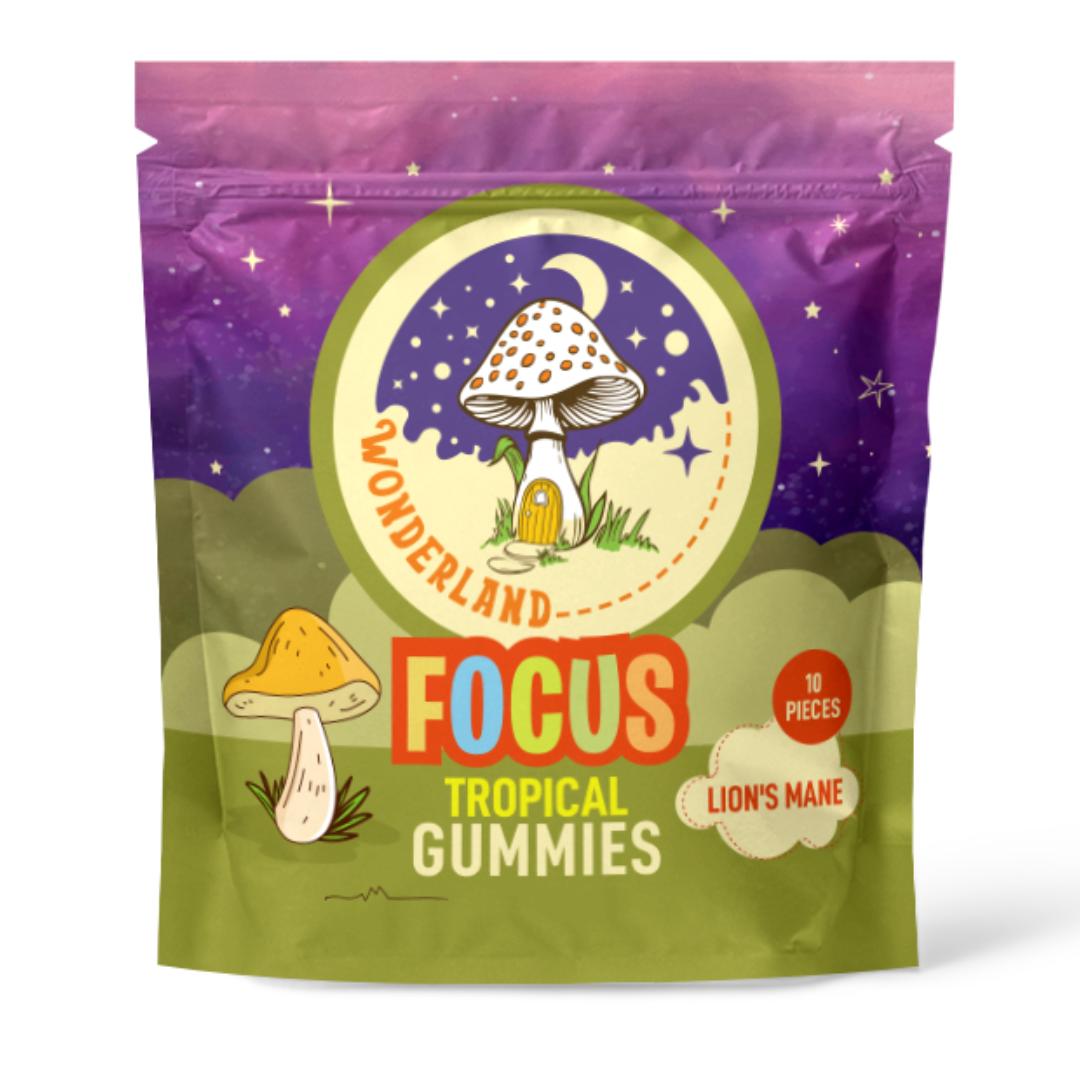

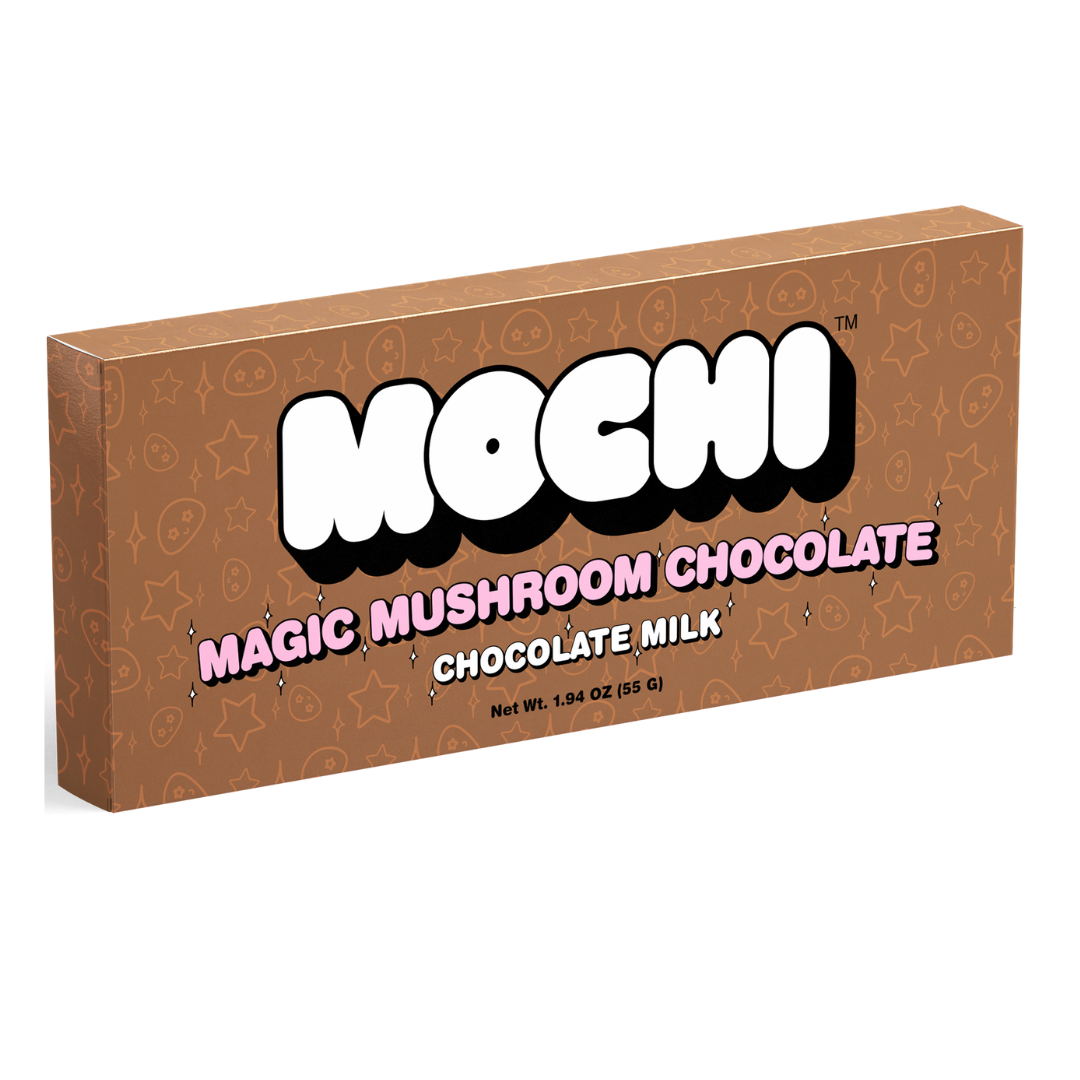
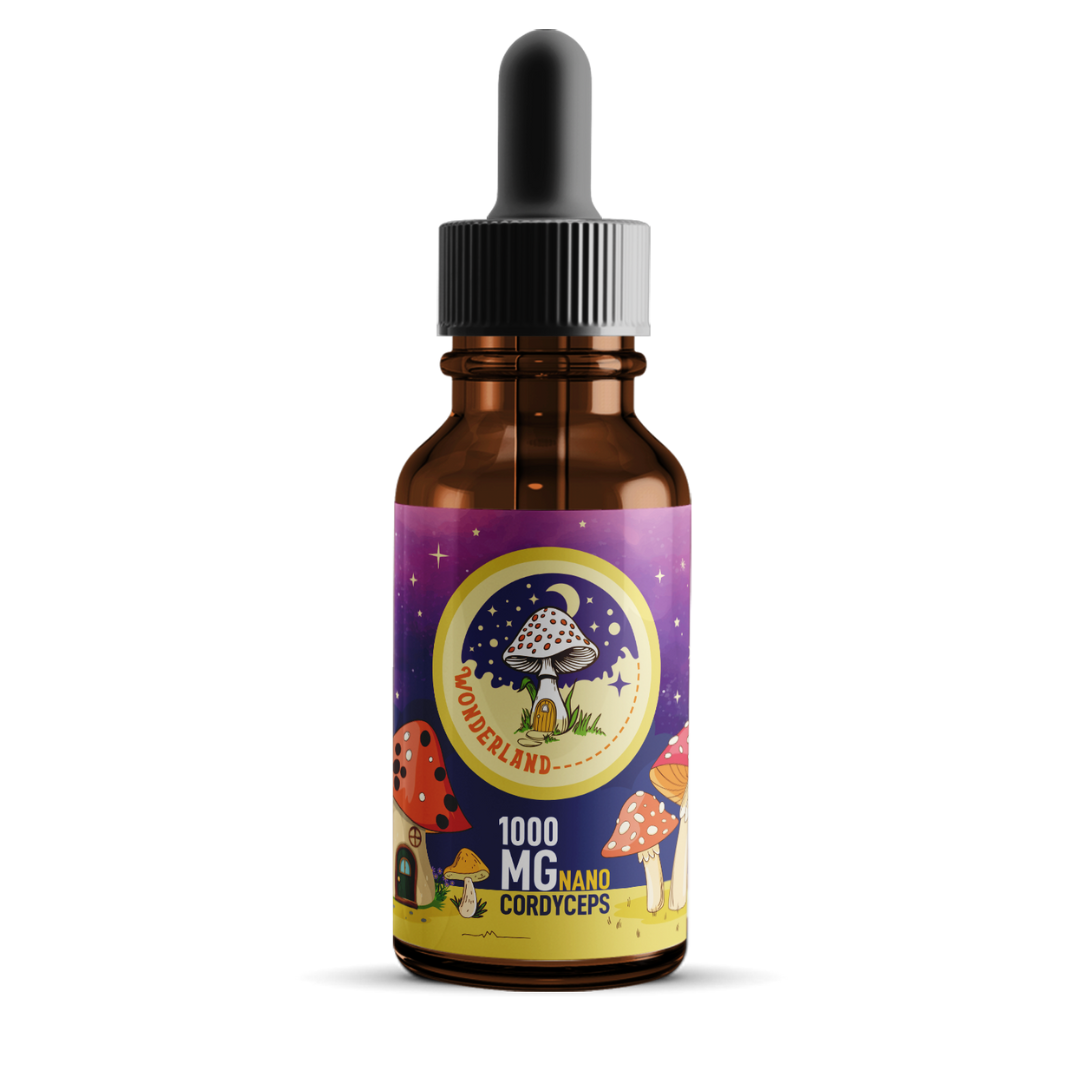
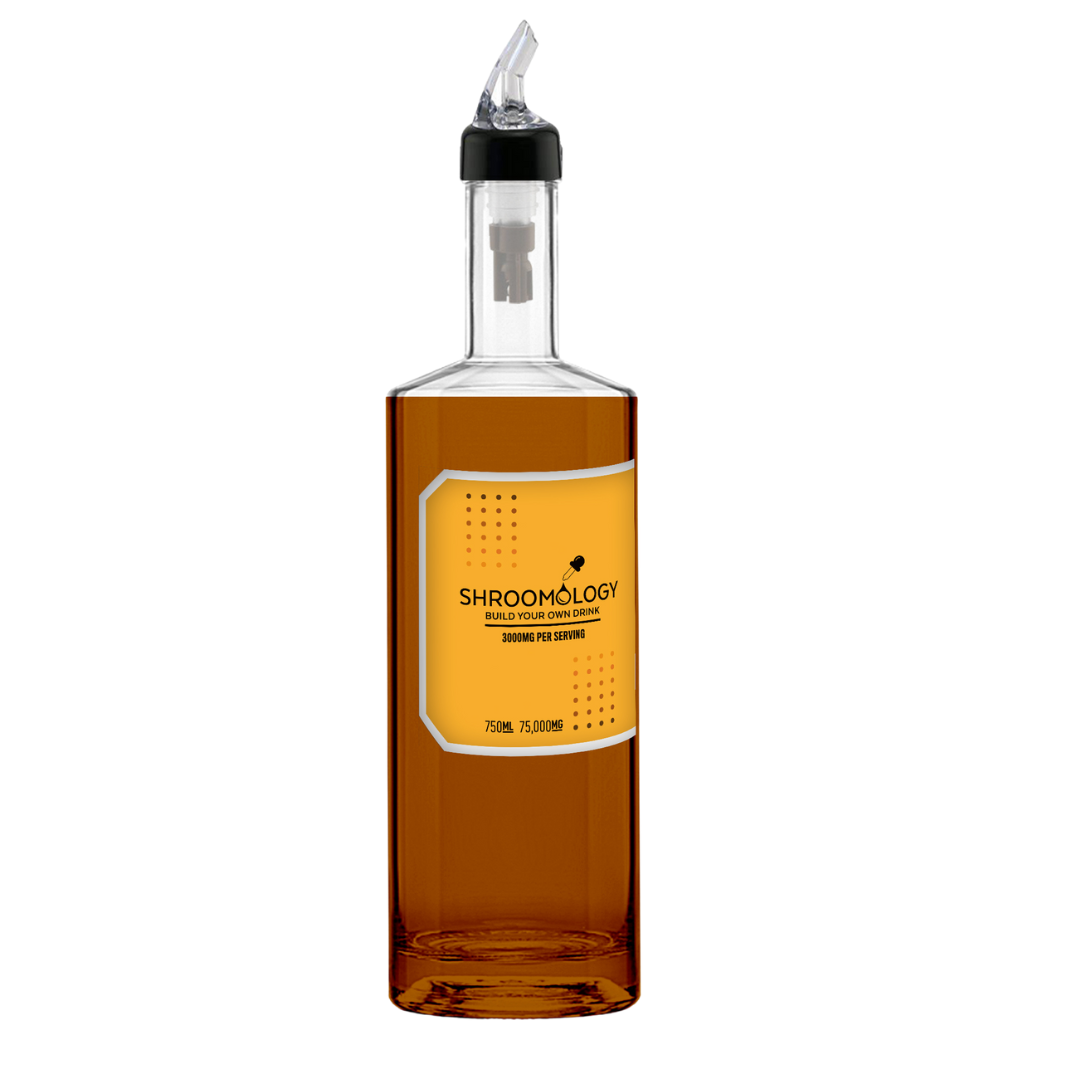







A historic Medicare pilot just launched — and it's on a collision course with a law that could wipe out 95% of hemp products by year's end.
Something remarkable happened on April 1st, 2026. For the first time in U.S. history, Medicare — the federal health insurance program covering 68 million Americans — began covering hemp-derived CBD products for eligible seniors. No co-pay. Physician supervised. Through their existing healthcare provider.
And there's a very real chance it won't survive to see 2027.
That's the story right now. Not just a story about CBD or Medicare — it's a story about two arms of the same federal government pulling in completely opposite directions, and what it means for every consumer, patient, and business in the hemp industry.
"The program's clinical momentum is our best argument for a workable federal definition. The stakes couldn't be higher." — Jim Higdon, Cornbread Hemp
What the Medicare pilot actually means for you
The Centers for Medicare & Medicaid Services (CMS) launched what they're calling the Substance Access Beneficiary Engagement Incentive — a mouthful of bureaucracy that translates to something simple: if you're a Medicare patient, your doctor can now recommend and provide certain CBD products, and your healthcare organization covers up to $500 a year for them.
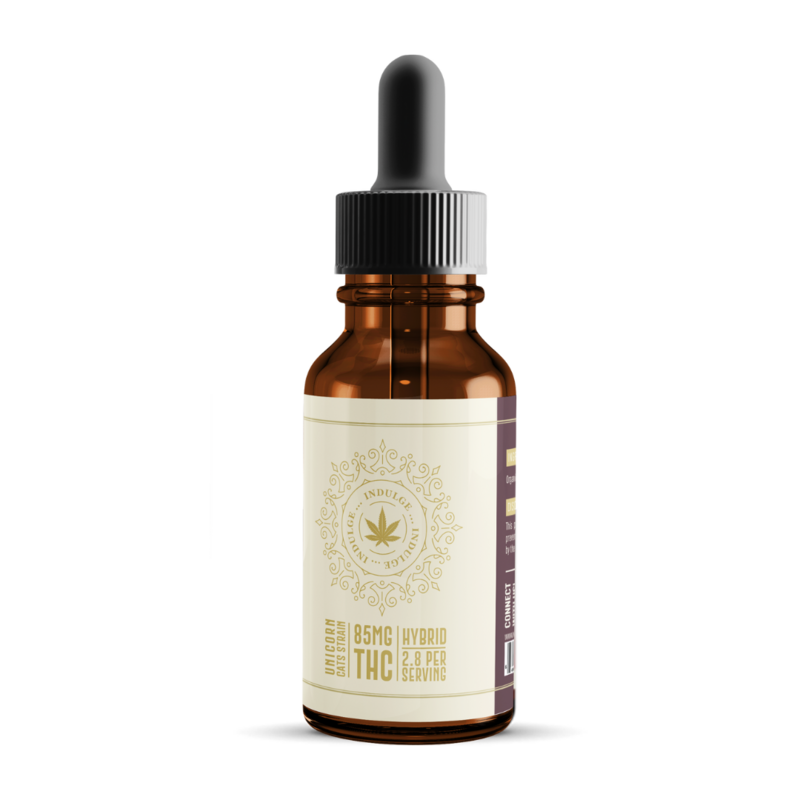
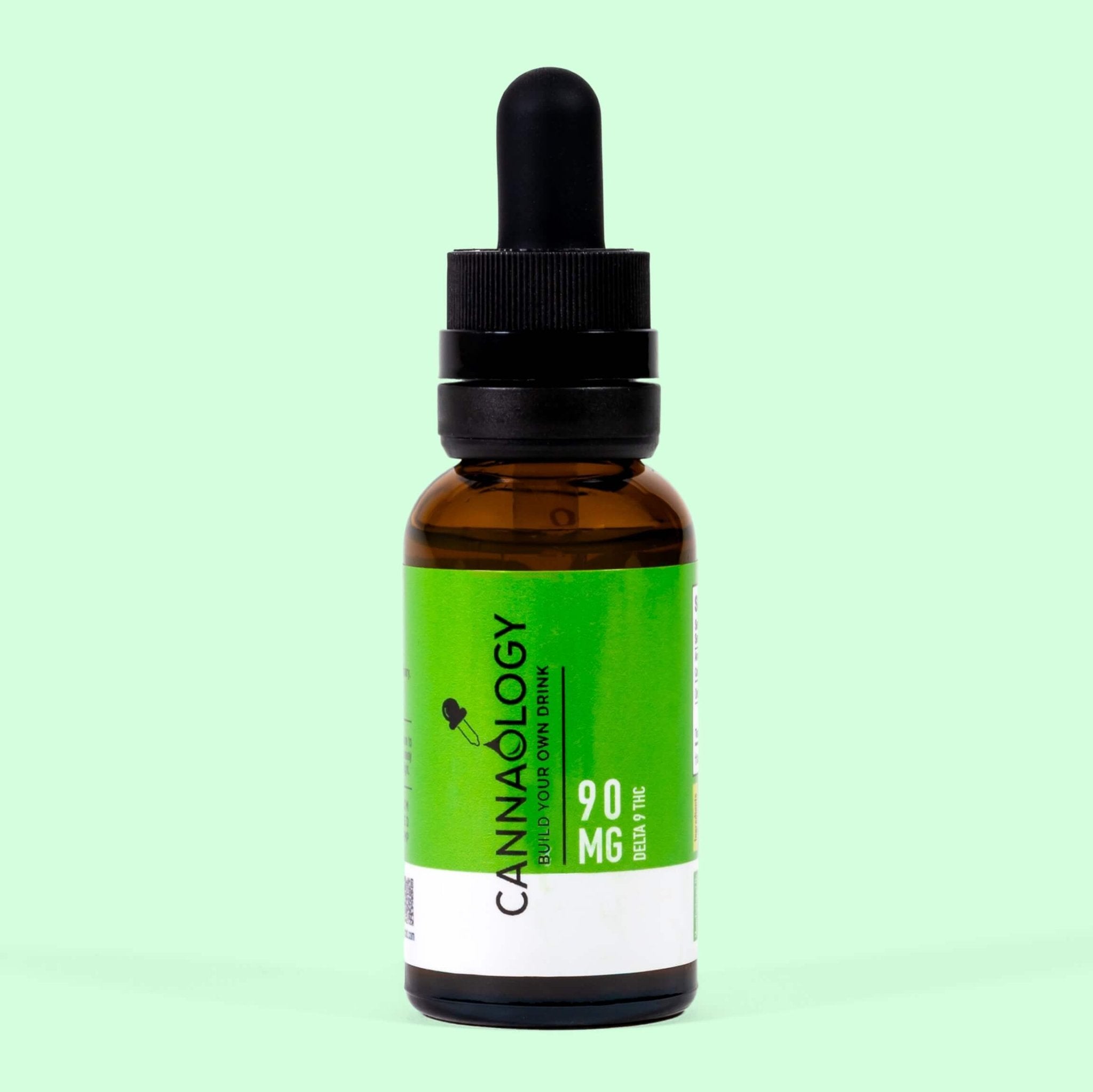
There are conditions. Products must be orally administered — tinctures, capsules, oils. No vapes, no topicals under this program. THC content is capped at 3mg per serving. Everything must be third-party tested. And crucially, your specific healthcare provider has to have opted into the program — it's not automatic for every Medicare patient.
The models currently eligible are ACO REACH (Accountable Care Organizations) and the Enhancing Oncology Model, both active since April 1st. A third model, LEAD, begins January 2027.
The FDA simultaneously softened its enforcement posture on oral CBD products eligible under this program. Commissioner Makary issued a memo stating the agency won't pursue action against these products — as long as they're manufactured and labeled like dietary supplements and aren't packaged to appeal to children.
For an industry that has spent years operating in legal gray zones with no federal acknowledgment, this is enormous. It's the federal government saying these products belong in a physician-patient conversation.
Here's the problem: a law already signed will ban most of it
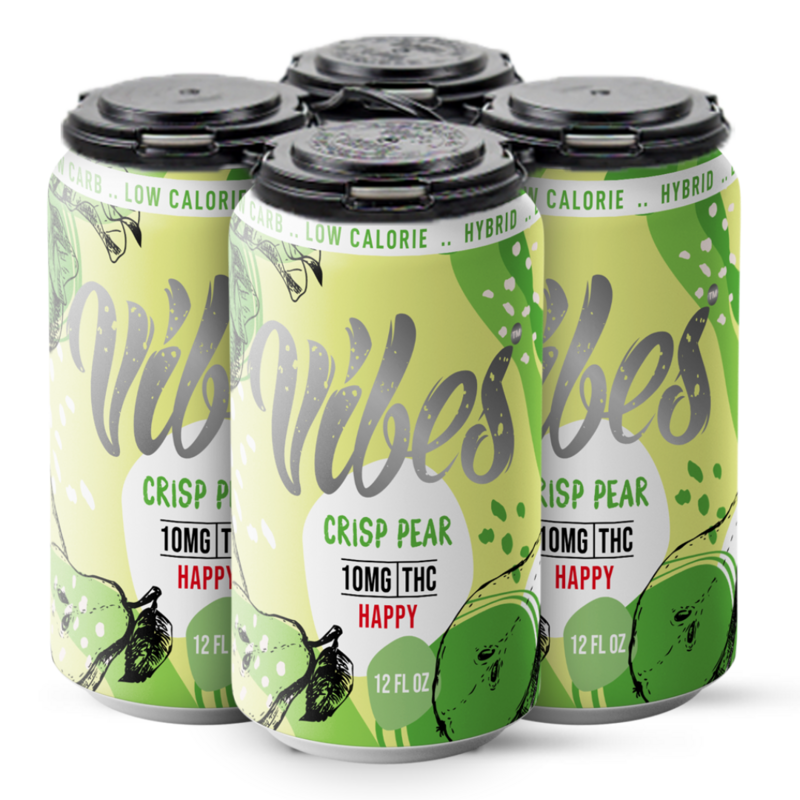
The Medicare pilot allows 3mg of THC per serving. A law taking effect November 12, 2026 caps ALL hemp products at 0.4mg per entire container — more than seven times lower, and measured per container rather than per serving. These two federal policies directly contradict each other — and only one has a hard deadline.
Back in November 2025, Congress slipped a provision called Section 781 into a must-pass government funding bill. It fundamentally rewrites the federal definition of hemp, and it takes effect exactly one year later — November 12, 2026.
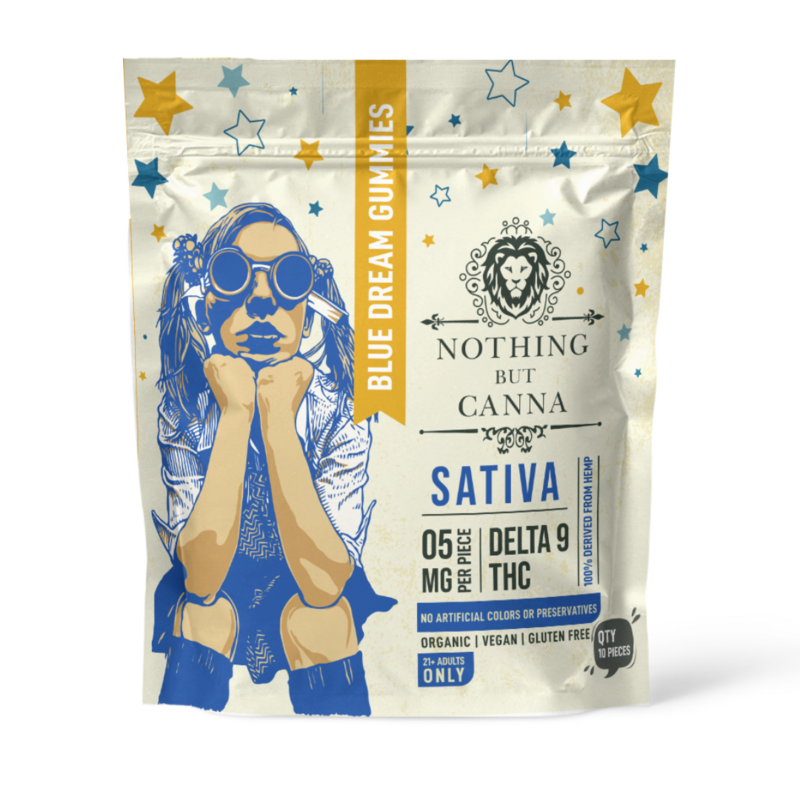
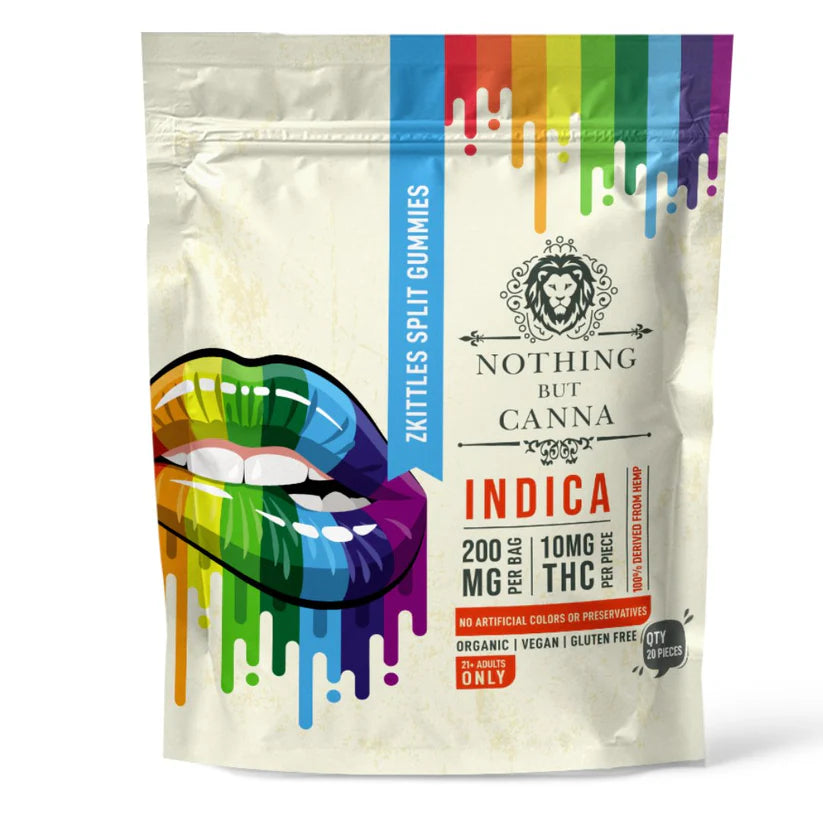
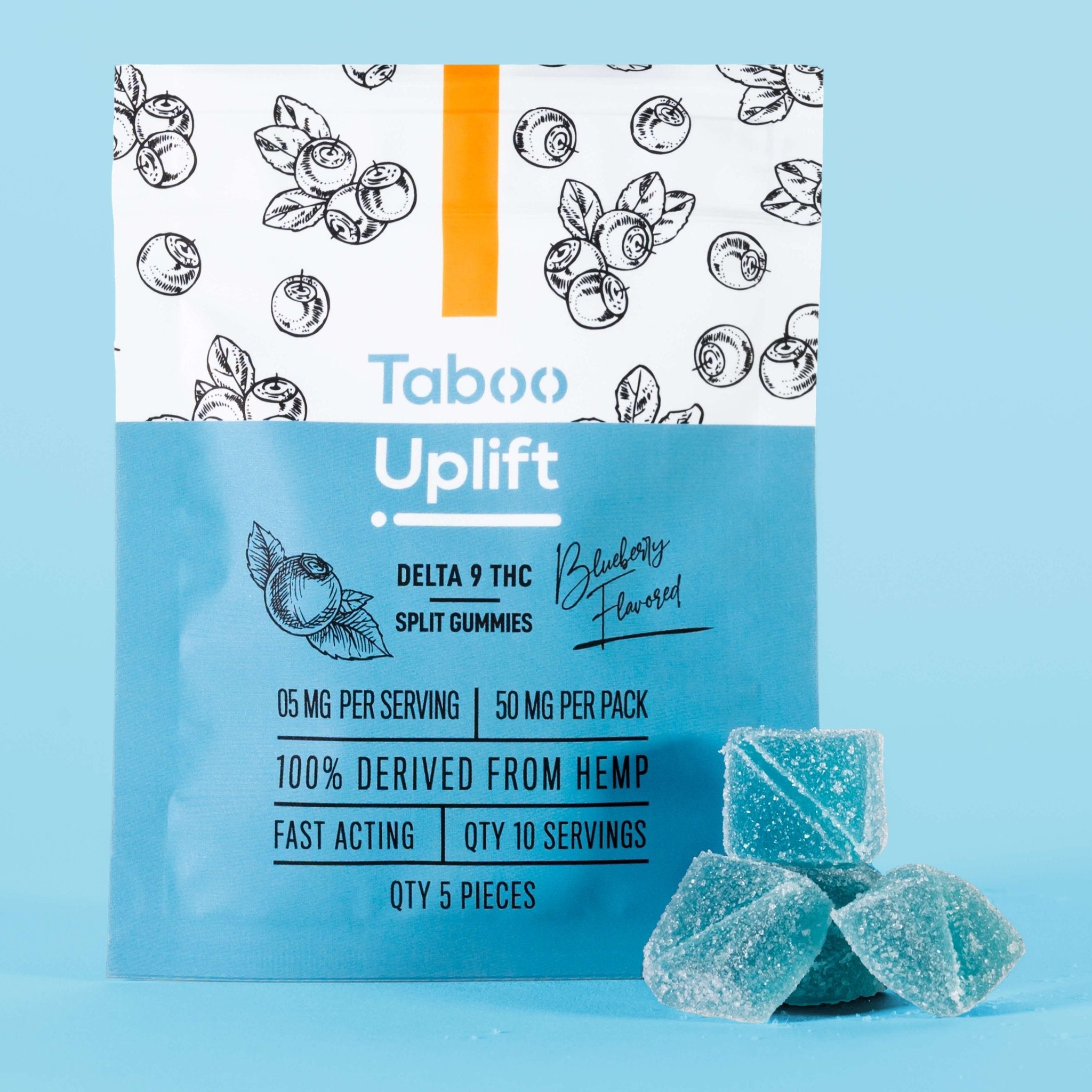
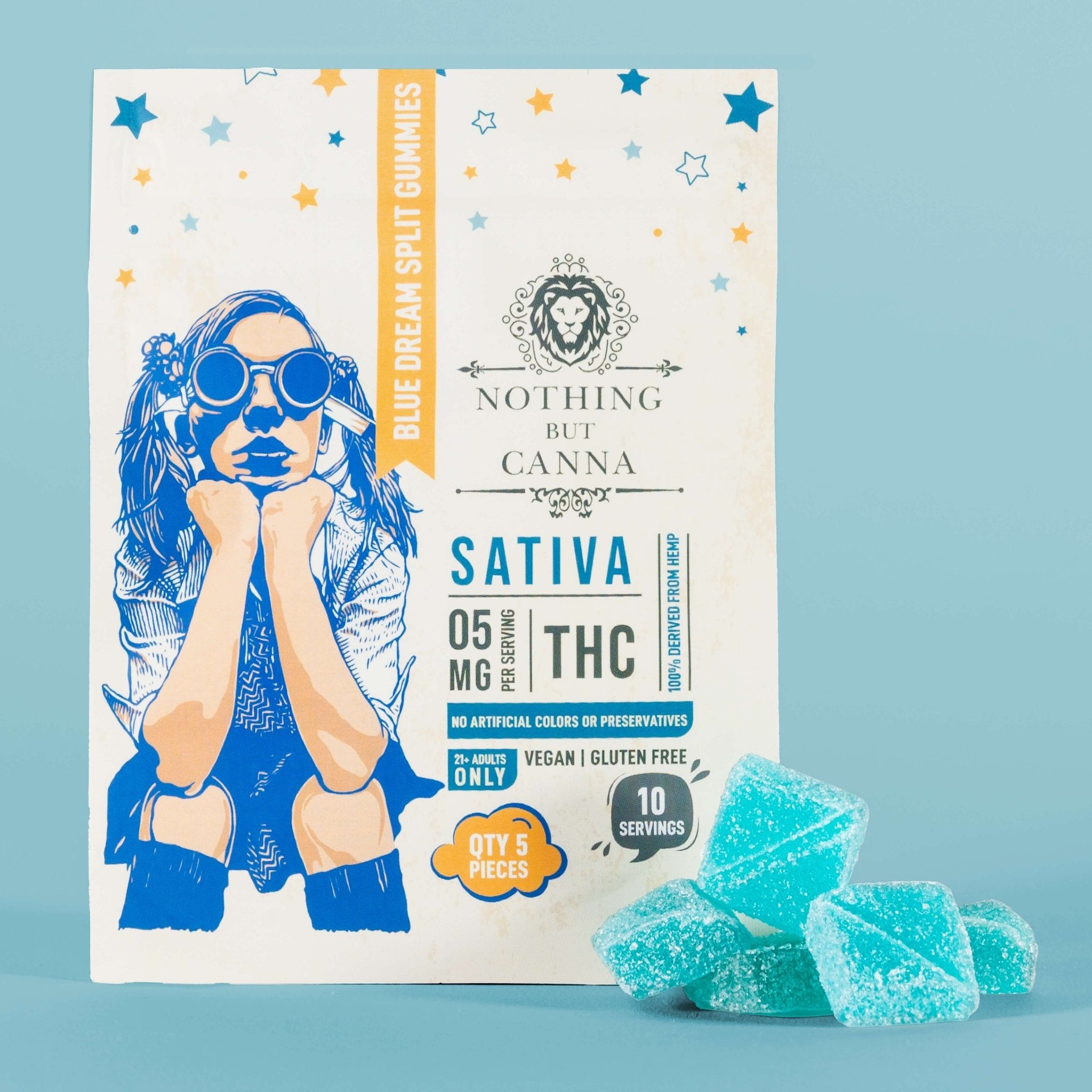
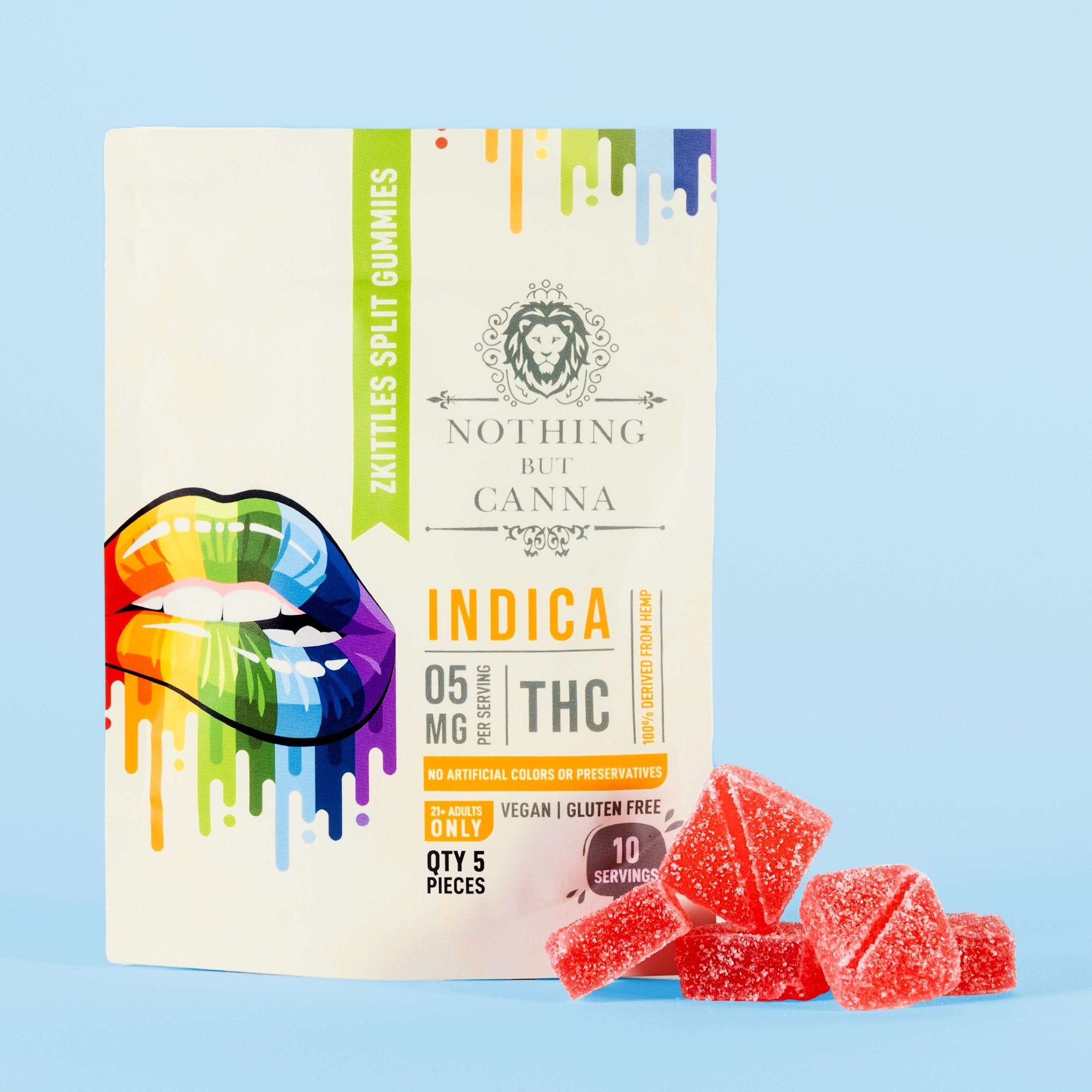
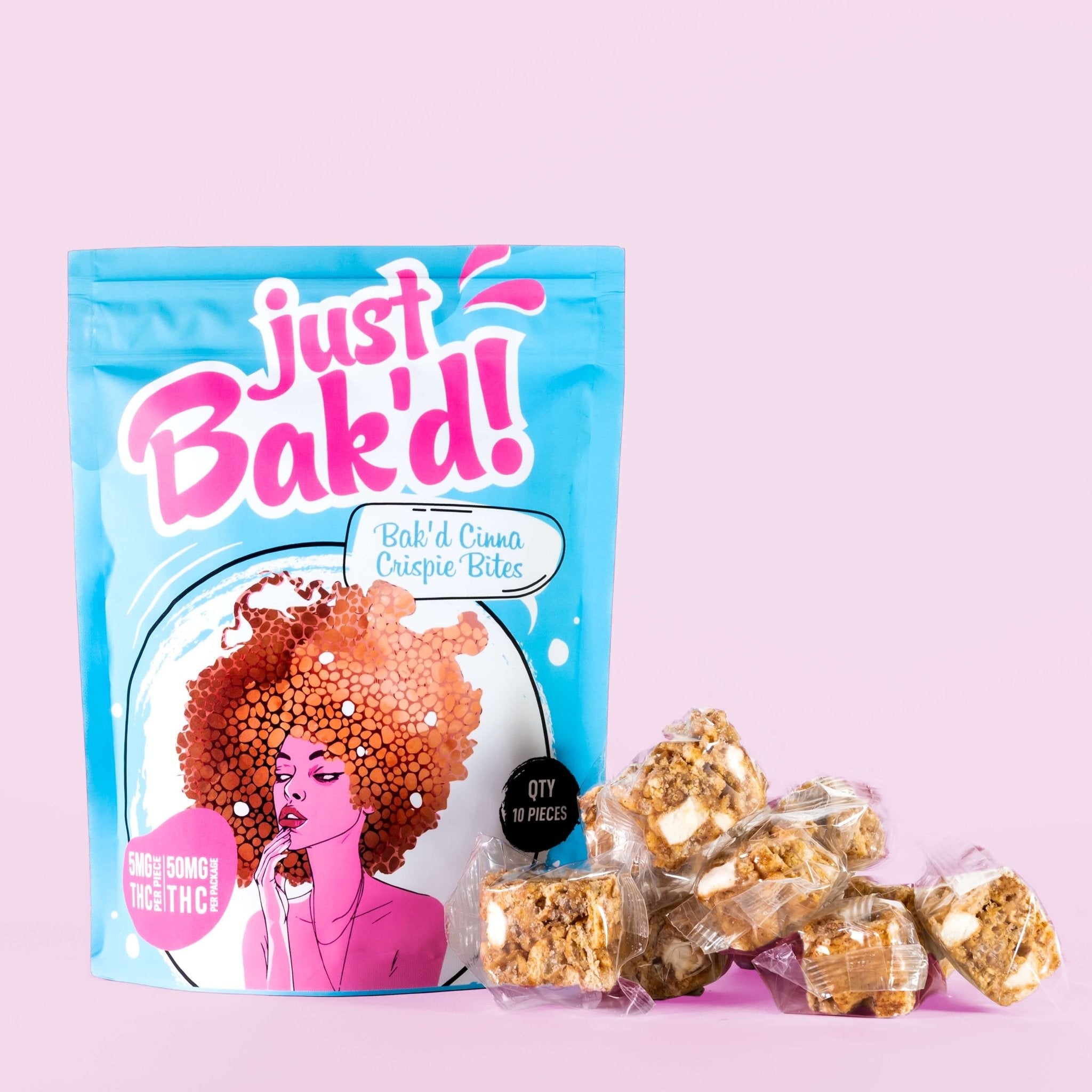
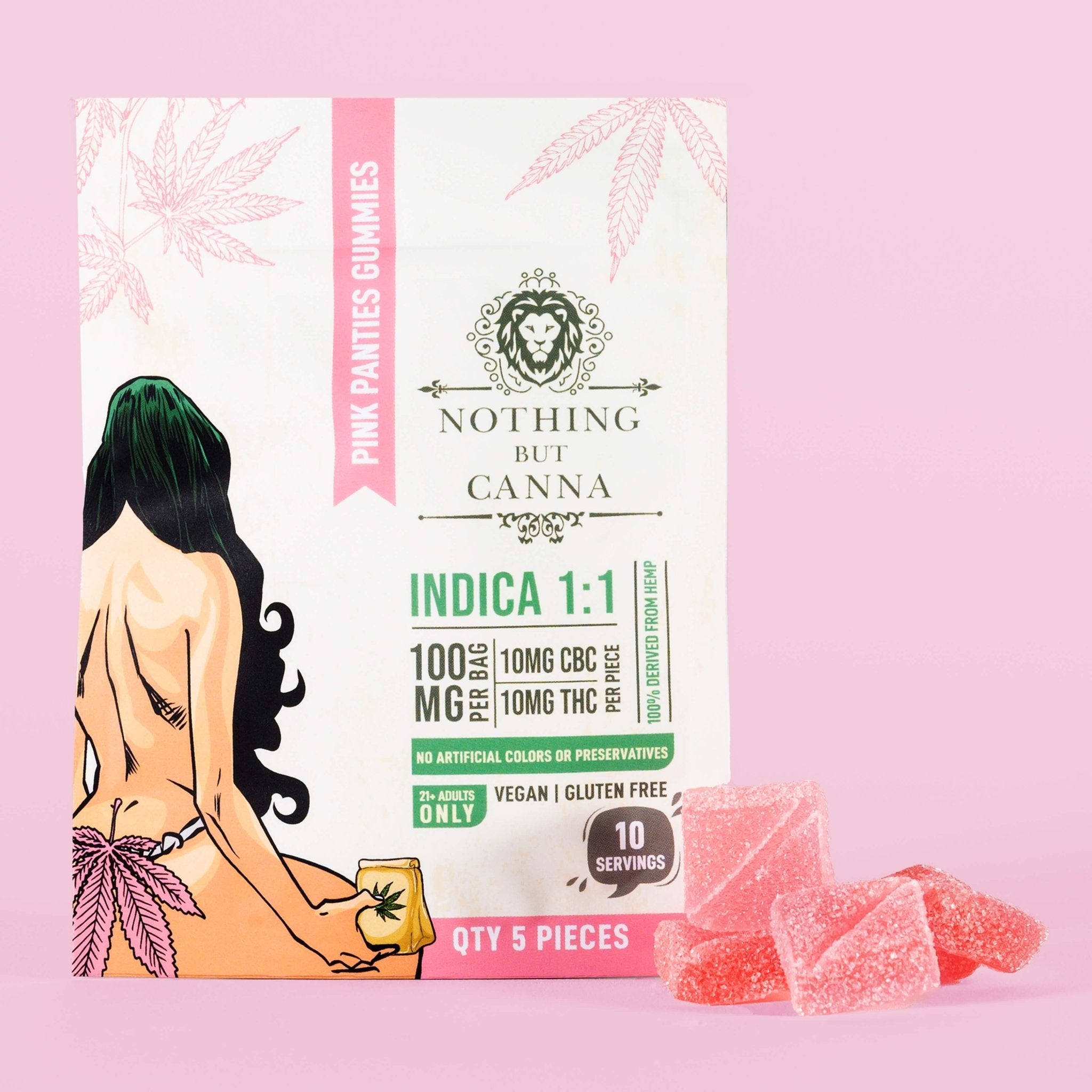
The old law measured delta-9 THC only, at 0.3% on a dry weight basis. The new law measures total THC — including THCA, delta-8, and any similar compound — and caps finished consumer products at just 0.4 milligrams per container. Not per serving. Per container. For reference, a standard gummy contains 5–10mg per piece. A typical hemp CBD tincture exceeds this limit many times over.
The U.S. Hemp Roundtable estimates this will eliminate 95% of hemp-derived cannabinoid products currently on the market — including the vast majority of CBD wellness products that have nothing to do with getting anyone "high."
Delta-8 THC, HHC, THCA, and any synthetic or lab-converted cannabinoid? Gone. Reclassified as Schedule I controlled substances — the same category where cannabis sat before any of this reform began.
What's being done to stop it
There are three bills in Congress right now fighting this. None has passed. The clock is ticking.
The most promising path right now is the Hemp Planting Predictability Act — a simple two-page bill that just moves the deadline from 2026 to 2028. It has bipartisan support in both the House and Senate. But it needs a vehicle, and it needs urgency, and right now both are in short supply in Washington.
The timeline you need to know
Why this matters even if you're not on Medicare
The Medicare pilot is significant not just for the seniors it serves — it's the federal government generating clinical data on CBD use for the first time. That data is the foundation of any future regulatory framework. It's the argument that hemp-derived CBD products belong in healthcare, not on a schedule alongside controlled substances.
If Section 781 takes effect as written, that argument collapses before it can even be made. The products the pilot is testing become illegal before the third care model even launches. The farmers who planted legal hemp crops in 2026 harvest a controlled substance. The businesses that built compliance infrastructure in good faith shut down or go underground.
"The hemp industry supports over 320,000 American jobs and generates $1.5 billion in state tax revenue. All of it is at risk without Congressional action."
There's one more wildcard worth watching: cannabis rescheduling. Trump's December 2025 executive order directed the Attorney General to accelerate moving cannabis from Schedule I to Schedule III. If that happens, it reframes this entire debate — and makes the blunt instrument of Section 781 look even more politically misaligned with where federal policy is heading.
What you can do right now
The most direct thing any consumer, patient, or hemp advocate can do is contact their Congressional representatives — specifically asking for support of the Hemp Planting Predictability Act (H.R. 7024 / Senate companion). A two-year delay is the most achievable outcome right now, and constituent pressure is what moves must-pass vehicles.
If you're a Medicare patient or caregiver, ask your healthcare provider whether they're participating in the ACO REACH program and whether they've opted into the Substance Access BEI. Your engagement creates the utilization data that justifies the program's expansion.
And if you rely on hemp-derived products — CBD, full-spectrum oils, anything — understand that the products you use today may look very different by December. Support brands that are actively engaged in the policy fight. Stay informed, because this story is moving fast.
Stay ahead of what's coming
We'll keep tracking this — the court hearing on April 20th, the legislative calendar, and what it means for the products you trust. Sign up for updates.