






THC has been researched for over 50 years through thousands of studies, while HHC only began appearing in consumer products around 2021. Despite this, both are now found side by side in vape menus and gummy jars, competing for the same curious shoppers. Surveys show many people cannot accurately state the amount of THC or CBD in their products, let alone HHC. Therefore, a clear HHC vs. THC guide should translate milligrams, onset times, and effects into simple language that matches how people actually dose and experience these substances.
What Is the Difference Between HHC and THC?
What Does HHC Stand For in Cannabinoids?
HHC is an acronym for emerging cannabinoid hexahydrocannabinol; HHC is a hydrogenated version of THC. The first H stands for “hexa,” which refers to the six additional hydrogen atoms. (THC has only two.) The second H stands for “hydro”, which stands for the hydrogen atoms that uniquely saturate the ring structure. The “C” in HHC refers to the cannabinol, emphasizing its cannabinoid molecular structure and origin, the cannabis plant.
Is HHC Stronger or Weaker Than THC?
HHC is less potent than THC, considering identical amounts. Users say HHC feels somewhat milder than THC. However, there are two isomers of HHC—the 9s and 9r epimer. In a study of HHC vs THC, the 9R epimer of HHC attaches to CB1 receptors in the brain. It does this somewhat well, but not as strongly as regular THC found in marijuana. The 9S epimer doesn't stick very well and doesn't do much. 9R-HHC is 17 times stronger than 9S-HHC at activating CB1 receptors.
HHC may feel like a low- to mid-potency THC experience. If you like strains like Blue Dream or Pineapple Express with THC levels of 18–22%, HHC products offer a similar, smooth, and approachable experience.
Are HHC and THC Chemically Similar?
Yes, they’re chemically similar as HHC is the hydrogenated analog of THC. The similarities below explain why HHC produces potent psychoactive effects comparable to THC’s:
- HHC and THC share the same core molecular structure: 21 carbon atoms and two oxygen atoms.
- Both bind to the CB1 and CB2 receptors.
- Both traverse the same pathways.
- HHC and THC have the same ability to dissolve in fats (lipophilic).
Slight chemical difference between THC and HHC: THC contains a double bond. HHC does not have it, but it has additional hydrogen atoms to envelope the ring
Does HHC Feel Like THC?
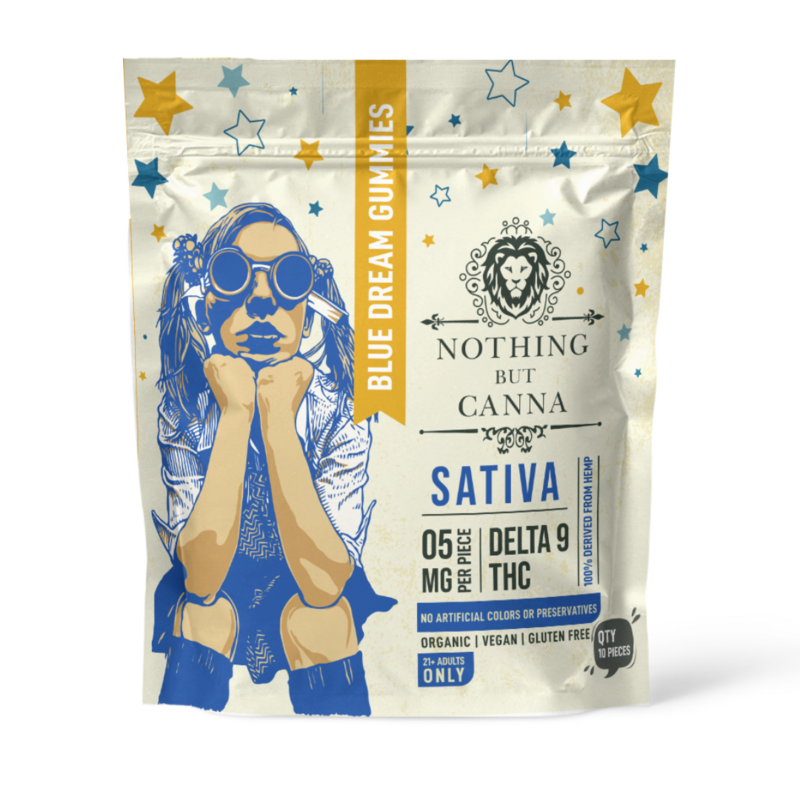
Yes, many users report altered perception or relaxation—but milder effects. Controlled studies say HHC’s psychoactive effects are milder and less anxiety-inducing than THC. For example, Nothing But Hemp’s Minnesota-legal THC gummies contain 5–10 mg doses. They tend to produce a balanced, classic effect similar to popular strains like Wedding Cake or Gelato. In contrast, HHC vapes or gummies may feel less terpene-rich and more subtle. Most commercial HHC products lack the diverse terpene profiles found in natural cannabis flower or full-spectrum THC products. This difference in sensation is because of that absence.
What Are the Benefits + Negative Effects of HHC vs THC?

How Does HHC Make You Feel Compared to THC?
It’s a more manageable sensory and bodily experience for HHC vs THC. When HHC engages with the brain’s CB1, it creates a softer and more subdued ride to the peak—no intensity but not bland at the same time. Most commercial preparations of HHC have the 9R primer to ensure potency. Better sensation but less pronounced cognitive disruption (risk present in THC).
How Long Do the Effects of HHC vs THC Last?
Crucial factors that make all the difference in your experience: the onset and duration of effects. While HHC and THC share similar profiles, subtle differences in how quickly they kick in and how long their effects last can be the key to unlocking the perfect product tailored to your lifestyle and preferences.
| Route | Onset Time | Peak Effects | Total Duration | |
| Inhaled | THC | 2–10 mins | 30–120 mins | 4–6 hrs |
| HHC | 10–15 mins | 30–90 mins | 3–5 hrs | |
| Oral | THC | 30–60 mins | 2–3 hrs | 5–8 hrs |
| HHC | 30–90 mins | 2–4 hrs | Up to 6 hrs | |
Data are from studies on HHC and THC, specifically on the pharmacokinetics and psychophysical properties of both compounds, and on the predictable effects of standardized doses of regulated products.
Can HHC Cause Anxiety or Other Side Effects Like THC?
Yes, HHC may produce unwanted effects like THC if it is not taken, sourced properly, or consumed in moderation. A case report published by the Cambridge University Press focused on the potential of HHC-induced psychoses, especially from the semisynthetic variant. The presence of terpenes, which are common in cannabis plants, may help reduce the risks of anxiety-inducing properties of HHC vs THC. For consumers who are in doubt, checking the lab test certificates (provided by Nothing But Hemp) can ensure product purity and safety, as well as a top-tier experience.
How HHC and THC Interact with the Body's Endocannabinoid System
Does HHC Bind to CB1 Receptors Like THC?
Yes, HHC binds to CB1 receptors, but with much lower affinity and potency than THC. CB1 receptors are located in the central nervous system (CNS), and their activation can produce intense psychoactive effects. Notably, HHC’s 9R epimer exhibits significant CB1 agonist activity. So, even though HHC doesn’t bind as strongly, its similar structure to THC helps it interact, leading to effects that are similar but not the same.
Why Is HHC Sometimes Called a Semisynthetic Cannabinoid?
It’s because most of the HHC found in the retail legal market are semisynthetic or non-natural compounds directly sourced from the cannabis plant. Commercial HHC is produced by hydrogenating THC or CBD. This chemical composition conversion adds hydrogen atoms to their molecules and saturates double bonds. This reaction alters its chemical and physical properties without forming a novel compound.
Is HHC Legal Compared to THC?
What is the Legal Status of HHC at the Federal and State Levels?
HHC exists in a legal gray area, under federal or state laws.
Federal Level, the Farm Bill loophole: Since the 2018 Farm Bill did not address semisynthetic cannabinoids, HHC is federally legal if derived from hemp or Cannabis sativa plant and contains less than 0.3% delta-9 THC. However, anticipated changes may alter the regulatory landscape in the future.
- In the DEA’s 2024 National Drug Threat Assessment, they have shown their intent to stop semisynthetic cannabinoids as they pose significant public health risks.
- Expect the 2025 Farm Bill to tackle these hemp products head-on, with new rules or classifications that could close the existing legal gap. This might cause a wider classification as controlled substances, or rules like those for THC.
- The WHO/ECDD's review, initiated in late 2023, is having a big impact. Its results might force US regulators to officially place HHC and like substances into Schedule I or II, depending on assessments of misuse and health dangers.
State Level, states’ rights: States are following suit. States like California, New York, and Colorado are updating their laws, including the ban on HHC and other intoxicating cannabinoids. They want a clear distinction between legal hemp derivatives and controlled synthetic cannabinoids, as these will benefit business and consumers. Minnesota permits hemp-derived cannabinoids like HHC, but with restrictions.
Why Is THC Classified as a Controlled Substance?
THC's intoxicating effects, need for more research, and risks like paranoia or addiction led to its scheduling. When the Controlled Substances Act was enacted in 1970, THC was among those that fell under Schedule I controlled substances, alongside psilocybin, LSD, and methaqualone. This is the most restrictive category. US legislators who push for cannabis reform support full rescheduling to accelerate scientific research, alleviate business blockers, and reduce conflicts with medical cannabis.
Can HHC Show Up on a Drug Test Like THC?
Yes, common workplace and legal drug tests can indirectly detect HHC. We say indirectly because it’s not HHC that these tests look for—it’s THC metabolites and analogs, which HHC also has. Does HHC have THC in it? When HHC is metabolized by the liver, its metabolites become indistinguishable from THC metabolites (i.e., THC-COOH). Even confirmatory tests like gas chromatography-mass spectrometry (GC-MS) cannot differentiate HHC metabolites from THC metabolites.
Case in point: consuming HHC presents a similar risk of failing drug tests. Responsible sourcing, controlled dosages, and supplier transparency, such as that from Nothing But Hemp, can reduce unexpected risks.
HHC Hexahydrocannabinol vs THC in Products

What Types of HHC and THC Products Are Available and How Do They Compare?
HHC THC products are available in different product formats to provide flexibility and versatility for consumers’ preferences and needs.
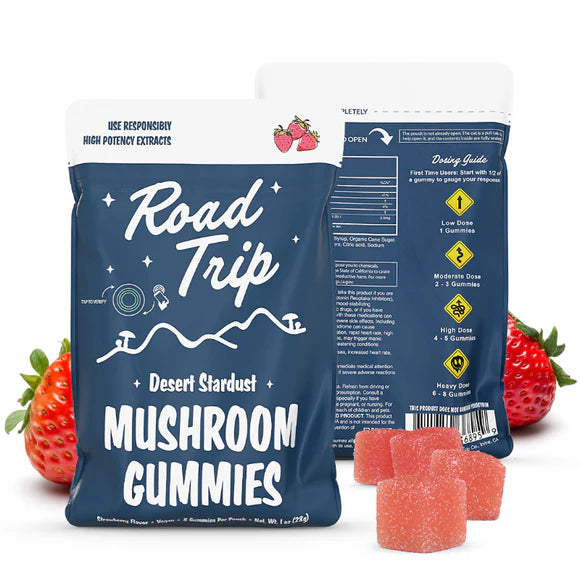
Gummies
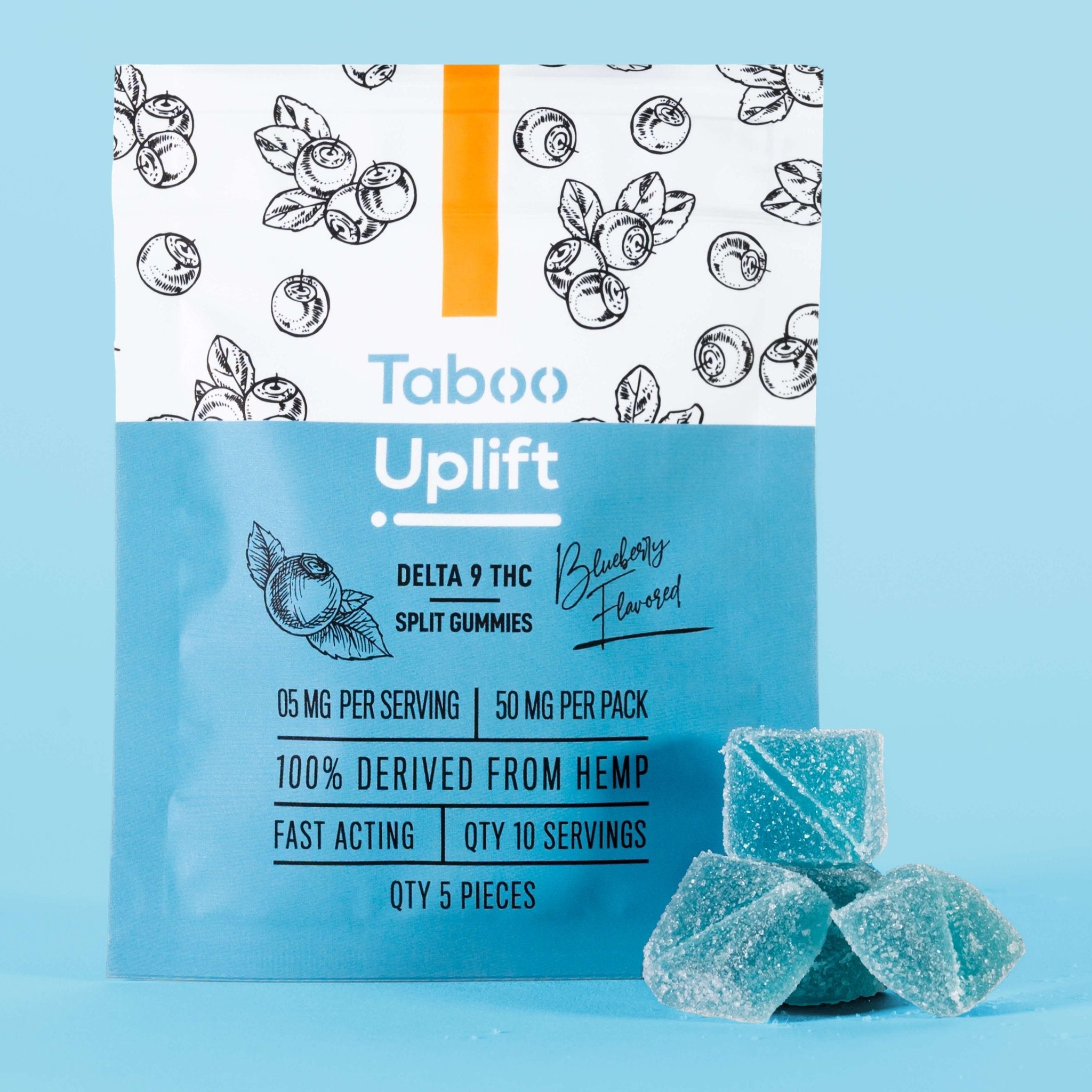
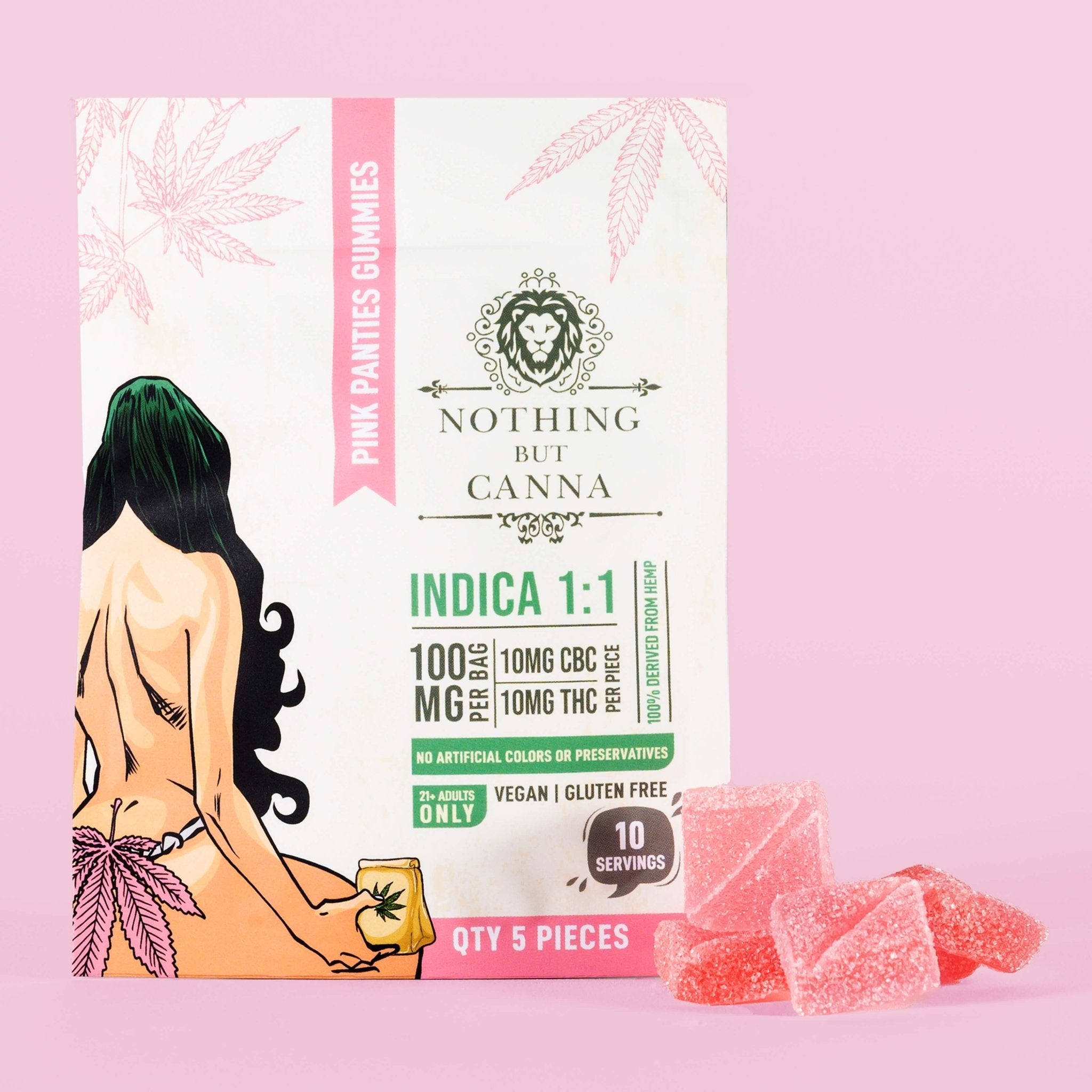
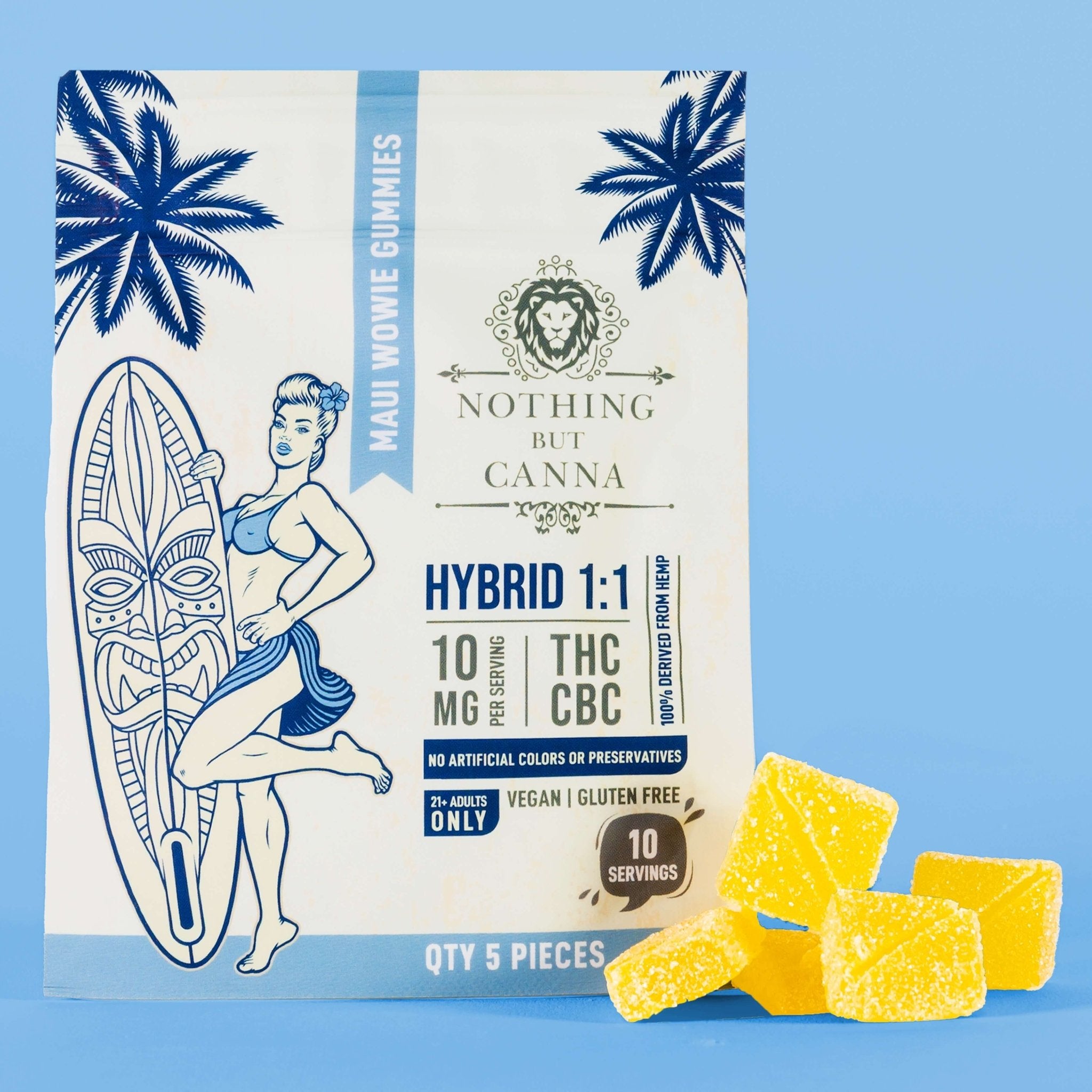
- THC Gummies often with 5-35mg of THC per serving, combined with strain-specific or custom terpenes
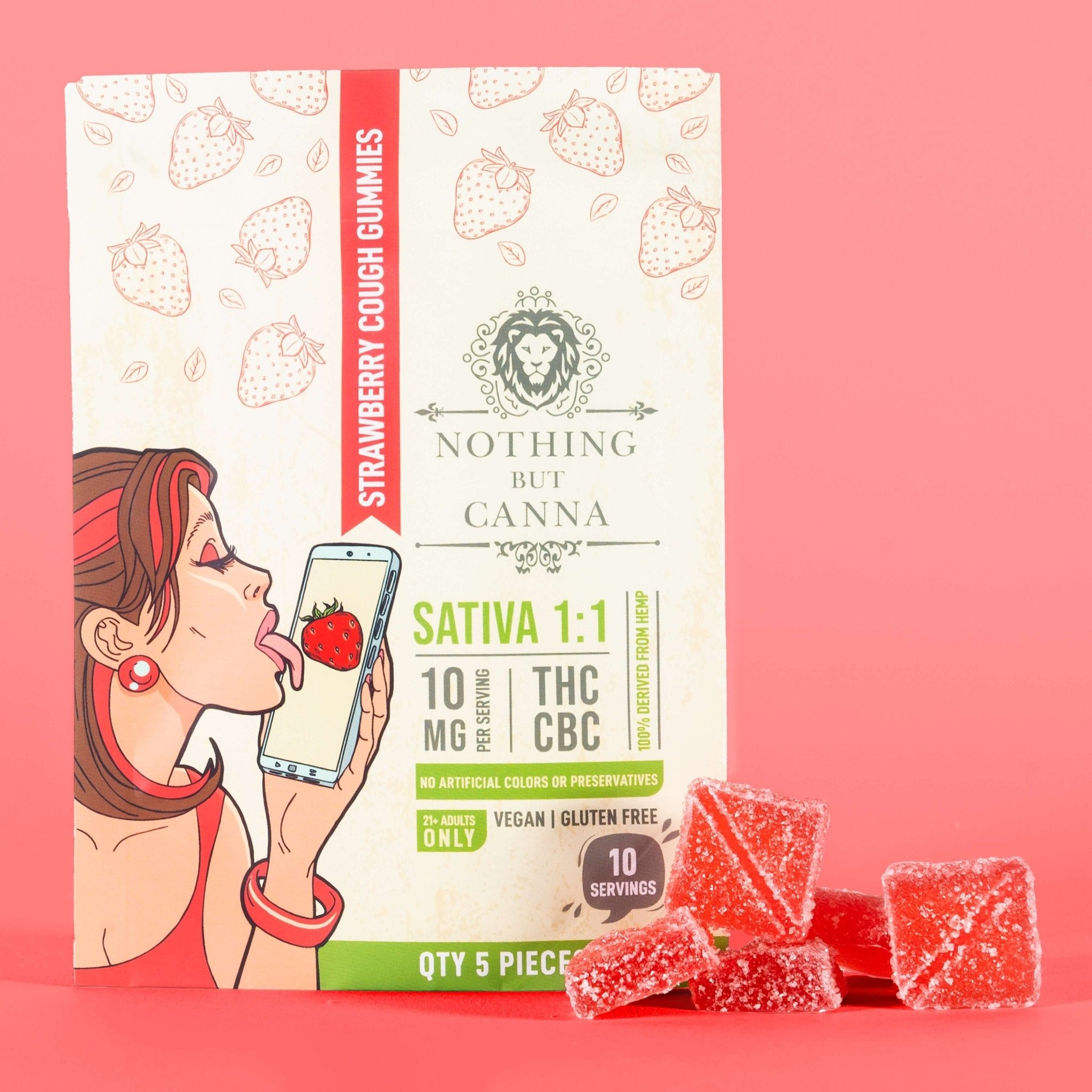
- HHC gummies contain 10-25mg of HHC per serving
- Verdict: THC gummies offer stronger effects and fuller effects than HHC gummies.
Vapes
- THC and HHC vape carts contain concentrates that reach 50-100mg.
- Verdict: THC vapes have fuller terpene profiles while HHC vapes have smoother and less intense effects.
Tinctures
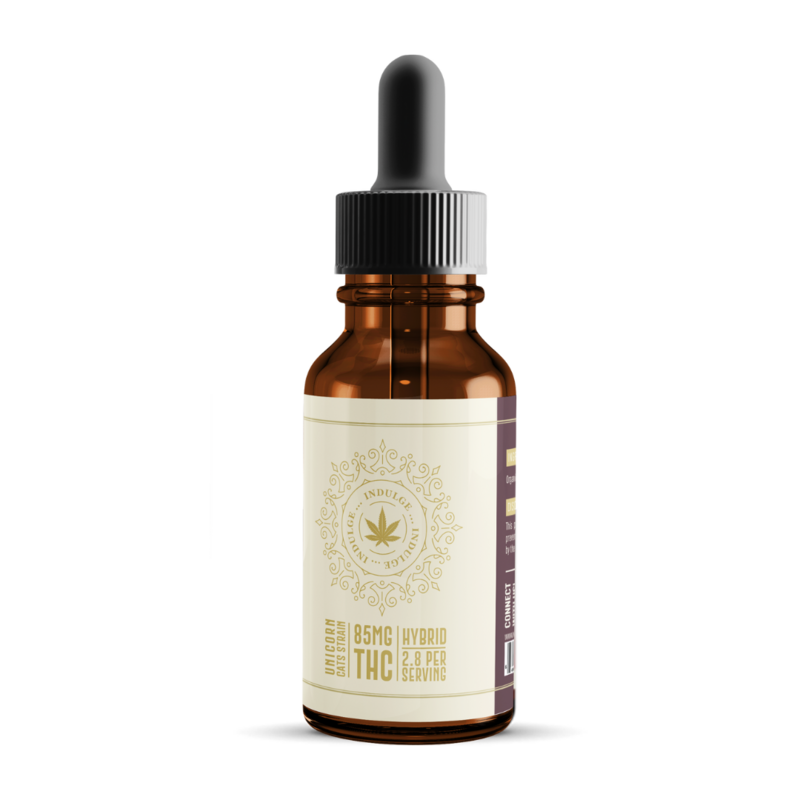
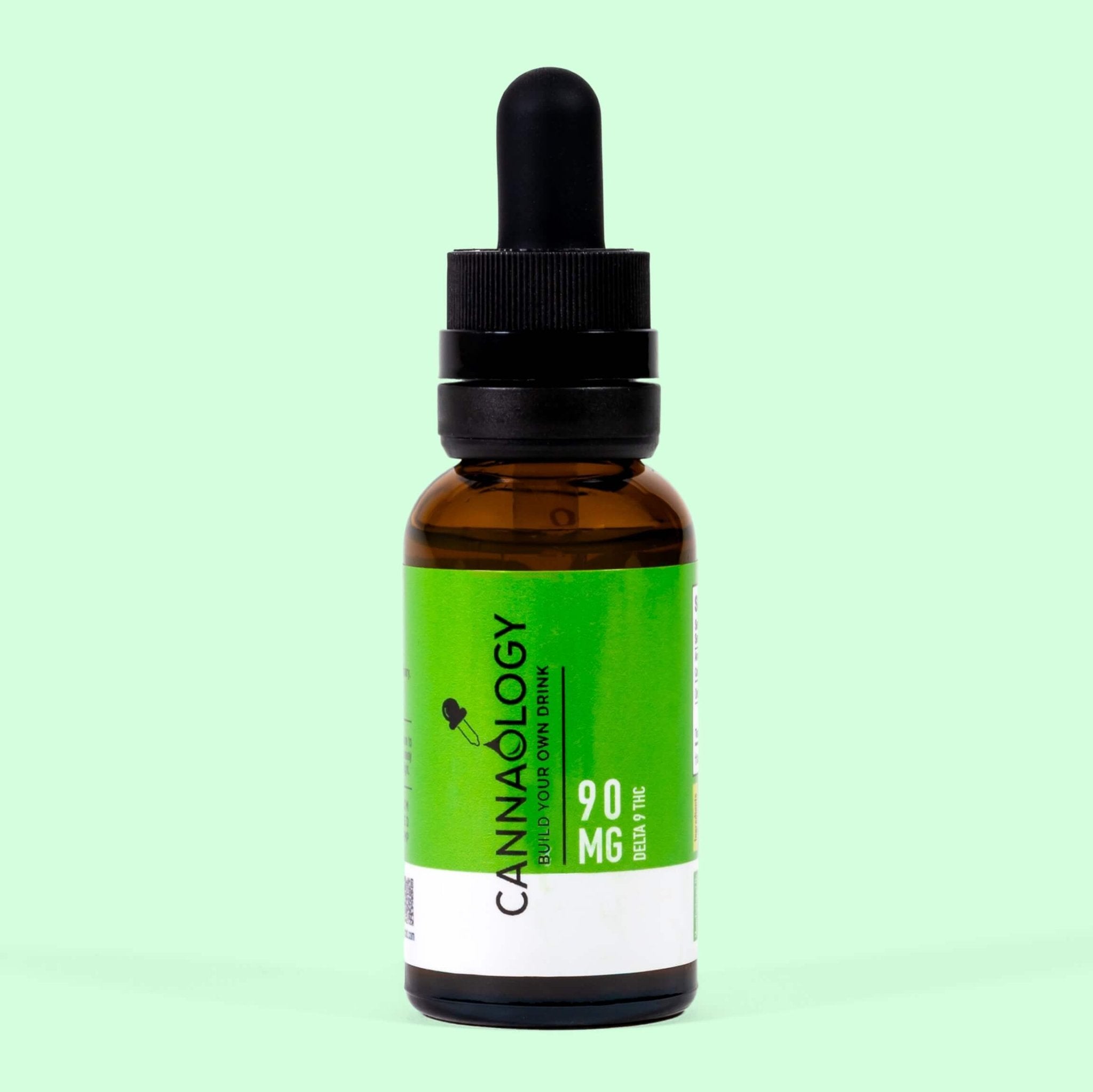
- THC tinctures often contain 5-50mg THC.
- HHC tinctures have the same range per serving, 5-50mg of HHC.
- Verdict: THC tinctures have been perfected and have established dosing standards. HHC tinctures are still moving through their remaining innovation headroom.
For those new to HHC or THC consumption, safe practices include measured doses and trusted product sources.
Can You Vape Both HHC and THC?
Yes, HHC and THC are available in vape format. THC vaping is much more popular, with products ranging from disposable/all-in-one vape carts to pod systems to 510-thread carts. In addition, their formulation can be strain-specific, effect-targeted, or flavor-forward. Popular strain varieties like Gelato, Blue Dream, or Pineapple Express are commonly featured in THC vape cartridges. And you can choose what oil or extraction style you can enjoy—from live resin to distillates to shatters.
Meanwhile, HHC vape products typically focus on sesemisyntheticormulations with simpler terpene profiles. They’re entering the market as a milder alternative to THC vapes. However, alongside the nuanced potency are fewer sensory notes. Meaning, HHC vape might not taste as full as a THC vape.
Which Cannabinoid Is Better for Beginners?
THC products remain the gold standard for beginners. They are well-studied and are sold legally under federal and state regulations. While HHC products, like gummies and vapes, theoretically provide a mild introduction, users need to be mindful of their legal status before consumption. Low-dose THC products (2-5mg) might be a good start, day or night. As it’s subjective, consider the following factors when buying: product format, potency, predictability, and individual sensitivity.
Which Is Safer: HHC or THC?
Does HHC Have Fewer Side Effects Than THC?
Not necessarily. There are fewer evidence-backed or recorded side effects of HHC compared to THC because it’s a relatively new cannabinoid. It needs further research for us to get some clarity about its short- and long-term safety profile. THC has been widely studied since it was first isolated in the 1960s, and people have been using it for centuries, so it has a well-understood risk profile. It’s best to stay cautious with HHC as the industry watches for more emerging research.
Dosing Guideline: Overdose Potential and Effect Consistency
Overdose toxicity rarely happens for both. However, overconsumption of THC vs HHC can magnify the side effects. As of writing, there are still no science-backed and precise lethal dosing for both cannabinoids. THC’s century-long presence in cultural traditions and the scientific community allowed experts to arrive at definitive dosing guidelines that would avoid overdose. Meanwhile, HHC products deal with inconsistent product purity and a lack of standardized dosage charts.
Typically, there are three key things you can check to avoid THC overdose: a well-established dosing guide, proven product quality, and testing for potency and safety.
Final Thoughts: Should You Try HHC or THC?

Which Cannabinoid Is Right for You?
For strain-specific experiences, THC is the preferred choice. THC flower, vapes, and concentrates like live resin and rosin preserve full terpene profiles for rich flavors and effects. Distillate cartridges offer high-potency THC with added strain-inspired terpenes for simplicity. HHC appeals to a different audience seeking smooth, neutral psychoactive properties. They prioritize the experience over strain names, with most HHC gummies and vapes providing simple formulas and light, generic fruit or dessert flavors. The focus is on gentle happiness and relaxation, not complex flavors like Blue Dream or Gelato live resin.
What to Know Before Buying HHC or THC Online
When browsing THC online, strain and terpene choices are essential. Brands highlight popular strains and carts. Most THC products include myrcene, limonene, pinene, and caryophyllene—terpenes that promote focus and relaxation. For HHC, aside from taking into account your taste and preference, you need heightened consumer oversight. Rather than pedigrees of strains, selection relies on HHC type (natural or sesemisynthetic mg per serving of HHC, and purity.
Key Takeaways: Potency, Legality, and Safety
Terp nerds, concentrate lovers, and consumers who like to fine‑tune mood and flavor by strain almost always get more out of THC’s deep strain library and concentrate options. Casual users and some beginners who want a straightforward buzz without diving into strain chemistry often find HHC gummies or vapes “good enough”—often in states where THC is heavily regulated.
-
Potency: At similar milligram doses, HHC will feel softer and more linear; no sharp or intense feeling. Whereas delta-9 THC delivers stronger and more holistic layered effects.
-
Legality: THC products are easily available in legal cannabis markets. Before, HHC products have become a choice for states that have no access to high-THC products. But now, HHC is becoming tightly limited because of the increasing number of hemp-derived state-level regulations.
-
Safety: HHC and THC, when naturally occurring in cannabis, might be safe for a short period. However, extensive cannabis and cannabinoid research is still needed to establish the long-term safety profile for HHC.