

















Ohio didn’t just pass another restrictive cannabis law. It exposed a strategic failure inside the hemp industry that has been building for years.
Governor Mike DeWine recently signed legislation that bans intoxicating hemp products outside of Ohio’s licensed marijuana system, with enforcement delayed by roughly one year. That delay has been framed by some as a win, a compromise, or proof that certain hemp products have earned legitimacy.
That framing is wrong.
A delayed ban is still a ban. And more importantly, the reason for the delay matters more than the delay itself.
The One-Year Runway Isn’t Mercy. It’s a Lobbying Strategy.
Let’s be honest about what the one-year enforcement window really is.
It’s not compassion for small businesses.
It’s not regulatory patience.
It’s not a transition plan.
It’s a runway for continued lobbying.
Ohio didn’t grant a year because lawmakers believe intoxicating hemp belongs in general retail long-term. They granted a year so certain segments, particularly the hemp beverage industry, can continue operating while attempting to entrench themselves permanently.
This is the playbook:
• Allow temporary continuation
• Frame beverages as orderly and responsible
• Claim consumer reliance and economic harm
• Push for extensions
• Push for permanent exceptions
The goal is not compliance.
The goal is normalization through delay.
The Carve-Out Strategy That Keeps Backfiring
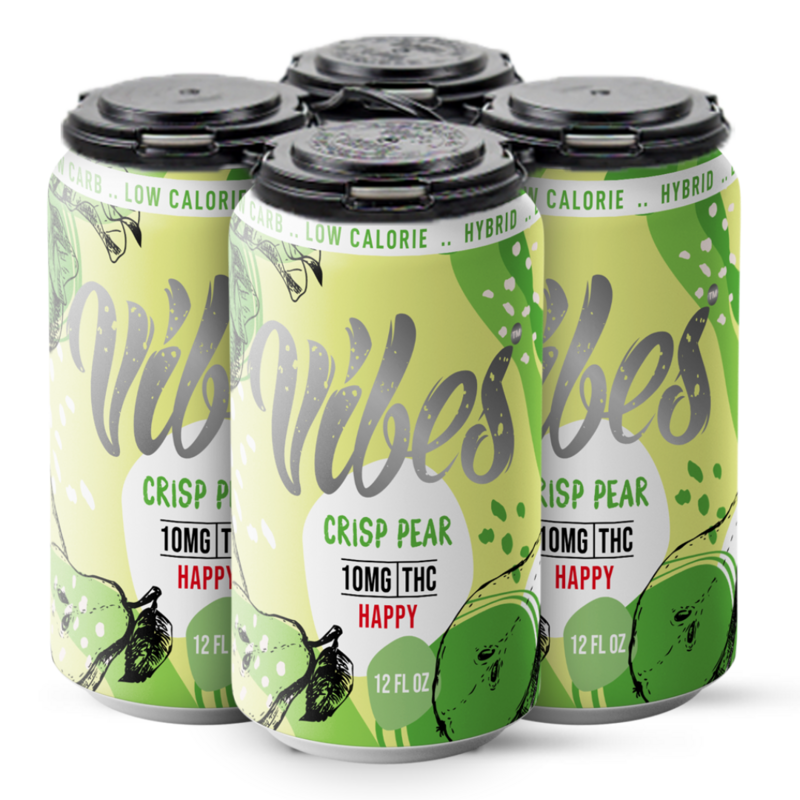
For the past year, beverage-focused trade groups, most visibly the Hemp Beverage Association (HBA) and Cannabis Beverage Alliance (CABA), have pursued narrow carve-outs designed to protect THC drinks while leaving the rest of the hemp market exposed.
The logic is familiar.
Beverages are positioned as safer, alcohol-adjacent, socially acceptable. Gummies, tinctures, and other ingestibles are treated as liabilities.
Ohio showed how fragile that strategy is.
When the bill reached the governor’s desk, the beverage carve-out didn’t survive. It was erased. Because once regulators decide intoxicating hemp is a problem, format stops mattering.
Selective lobbying didn’t protect beverages.
It weakened hemp’s entire position.
Why This Still Hurts the Broader Hemp Industry
The one-year runway does not apply equally, and it does not protect hemp as a category.
It gives one segment time to consolidate, negotiate, and lobby for permanence while the rest of hemp remains politically radioactive.
Meanwhile:
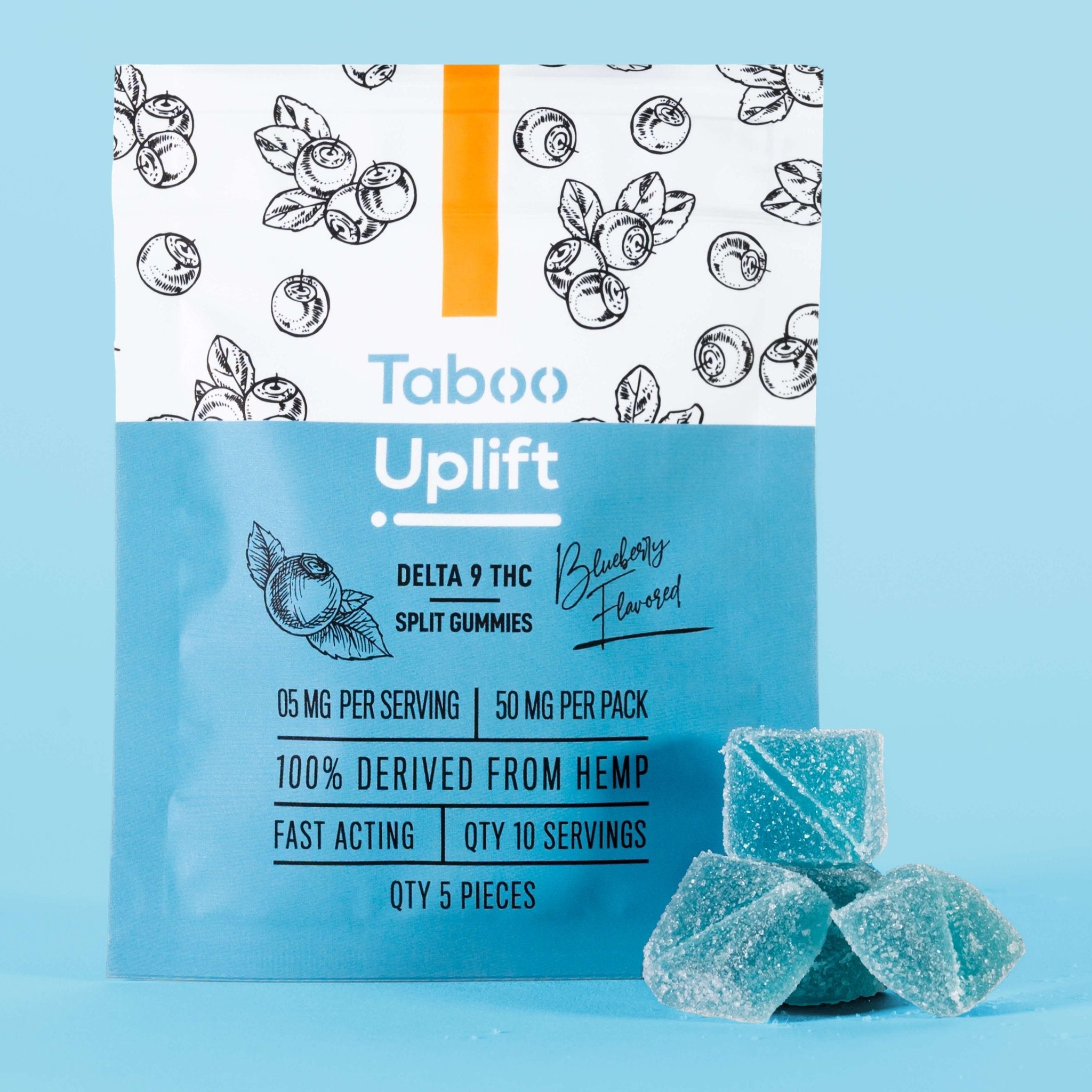
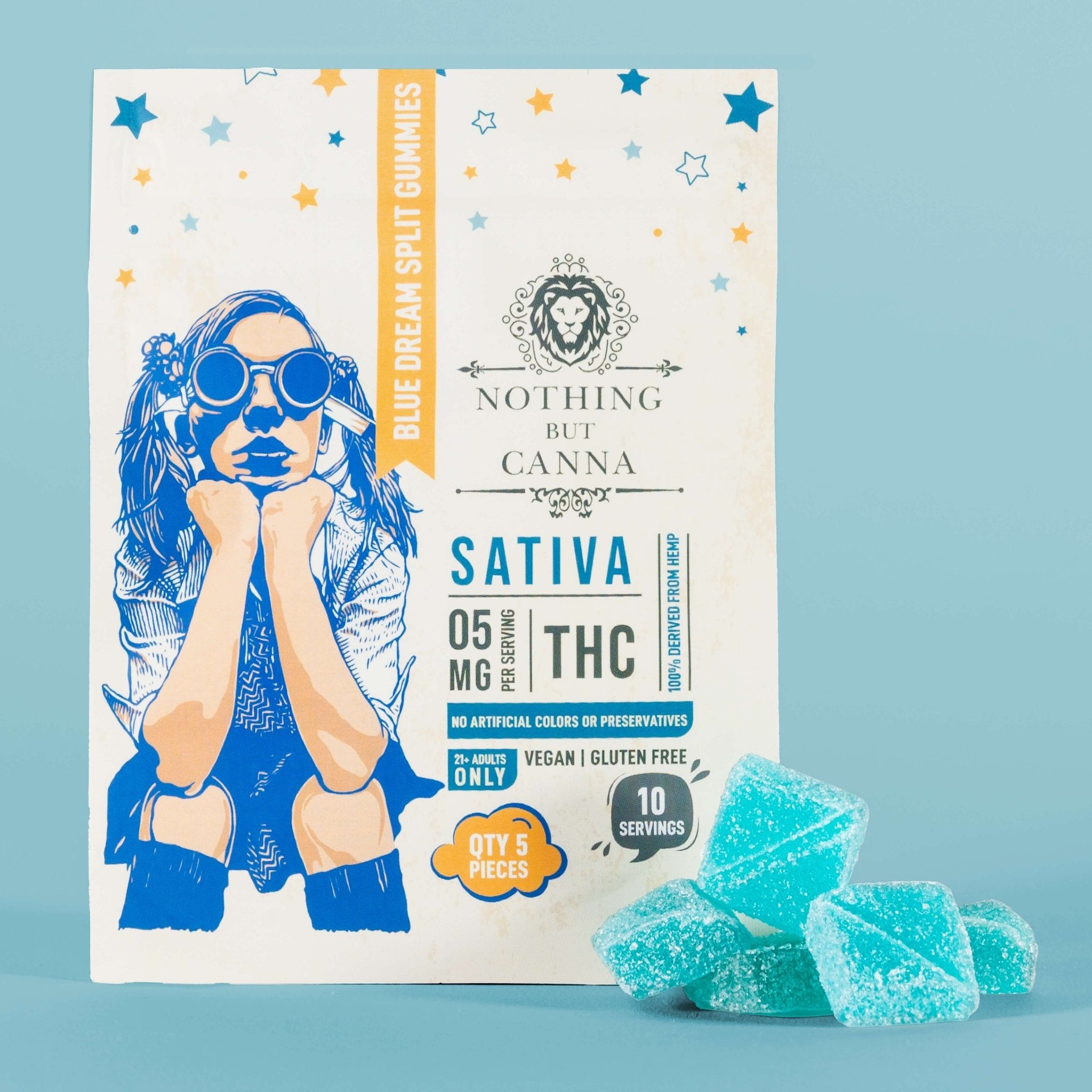
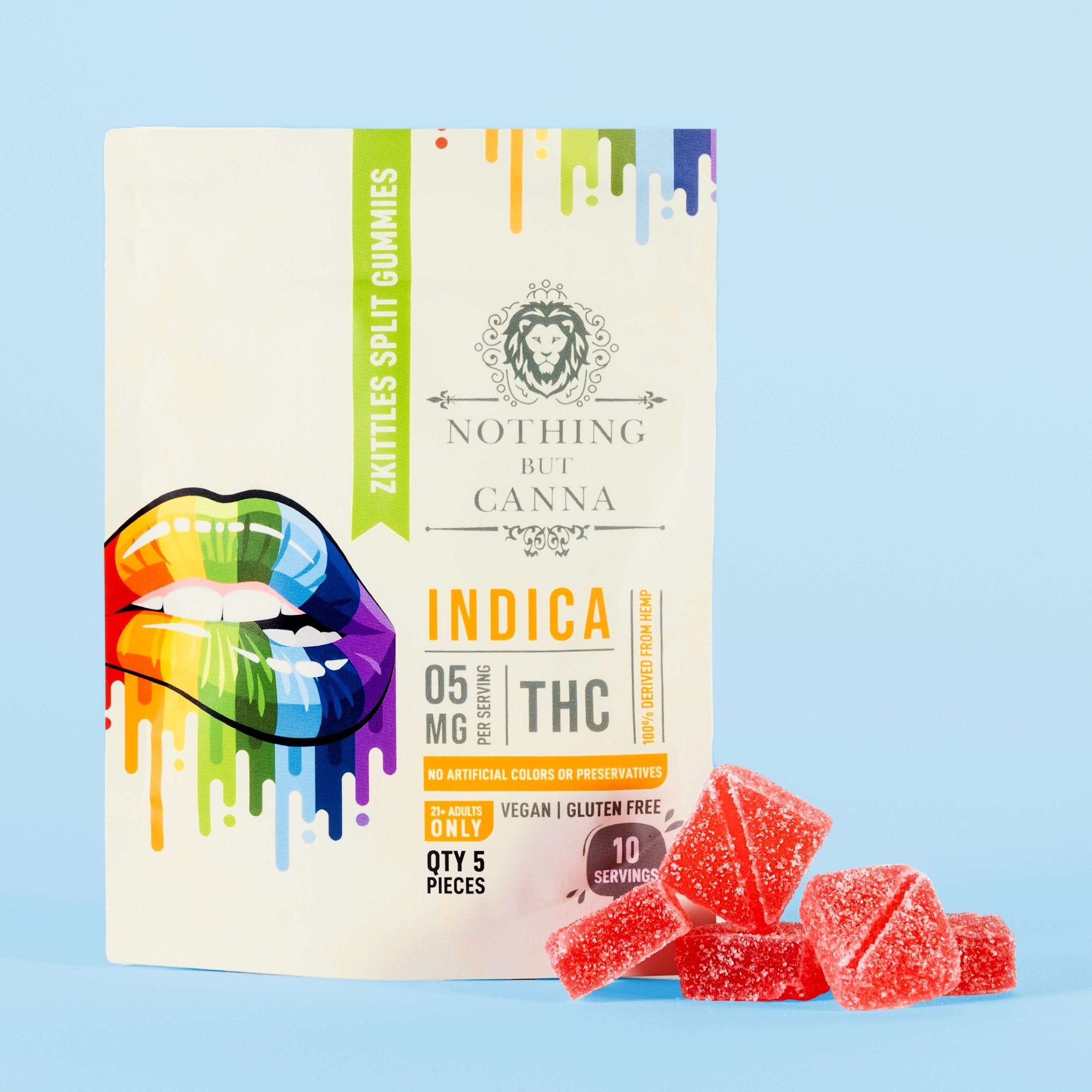
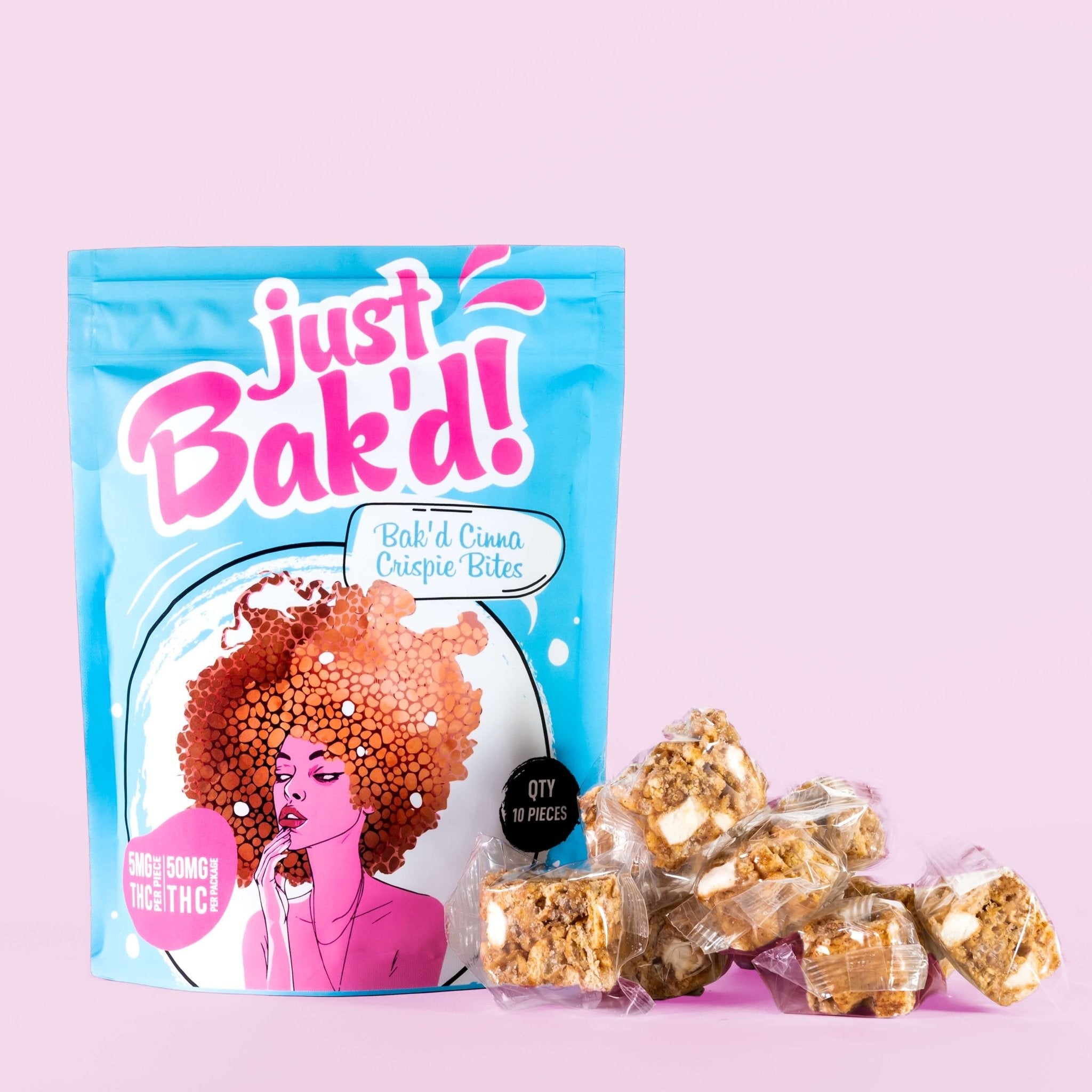
• Gummies stay indefensible
• Tinctures remain sidelined
• Broader hemp retail continues shrinking
• Lawmakers see “beverages vs everything else”
That framing is fatal.
Once regulators accept that some hemp deserves to exist and some does not, the question becomes how long any exception lasts, not whether hemp should exist at all.
The “Beverages Lead to Dispensaries” Myth
One of the most damaging ideas circulating inside the hemp beverage industry is the belief that THC drinks are a gateway. That low-dose beverages increase tolerance and eventually funnel consumers into marijuana dispensaries.
This is not grounded in reality.
Cannabis consumers are not being leveled up.
I’ve been using cannabis for 30 years. Since I was 13. I’m 43 now.
I’m a low-dose consumer today. I always have been.
Not because I lack access.
Not because I don’t understand potency.
Because that’s how I choose to use cannabis.
Low-dose consumers are not “pre-dispensary.”
They are not waiting to escalate.
They are not failed high-dose users.
They are the market.
Tolerance Is Not a Conveyor Belt
The assumption that tolerance inevitably increases misunderstands cannabis entirely.
Many consumers intentionally stay low-dose because they value:
• Control over intensity
• Functionality over impairment
• Predictability over escalation
• Cannabis that fits into life rather than taking it over
Low-dose use is not entry-level.
It is not temporary.
It is not a stepping stone.
It is a stable endpoint.
Beverages Don’t Funnel Consumers. They Serve Them.
Hemp beverages don’t push people toward dispensaries any more than light beer pushes people toward hard liquor.
They serve a different context, a different relationship, and often a different consumer entirely.
Many low-dose consumers actively avoid dispensaries because:
• They don’t want high-THC products
• They don’t want stigma
• They don’t want upselling
• They don’t want to cross into a different regulatory or cultural space
Removing hemp beverages doesn’t migrate those consumers.
It removes them.
Why the One-Year Strategy Is Still Dangerous
The hemp beverage industry is treating the one-year runway like leverage.
In reality, it’s conditional permission.
Every month beverages operate under temporary legality reinforces a dangerous precedent:
• Hemp can be paused
• Hemp can be negotiated
• Hemp can be selectively allowed
That’s not market stability.
That’s a countdown clock.
Ohio already demonstrated how quickly an exception can disappear with a single veto.
What Ohio Really Proved
Ohio didn’t reject hemp beverages because they failed.
It rejected the idea that intoxicating hemp deserved a parallel market at all.
The hemp beverage industry did not lose because it wasn’t persuasive enough.
It lost because segmented lobbying invited segmented regulation.
Instead of defending hemp as a whole, the industry argued over which slice deserved to survive.
The outcome was predictable.
If This Continues, Hemp Loses
If the hemp beverage industry continues to:
• Seek carve-outs instead of standards
• Promote escalation myths
• Distance itself from the rest of hemp
• Frame itself as a bridge to marijuana
Then it won’t just fail to protect hemp.
It will accelerate its collapse.
Hemp doesn’t need extensions.
It needs uniform adult-use standards for all low-dose products, regardless of format.
Ohio wasn’t the end.
It was the warning.
At Some Point, the Broader Hemp Industry Has to Stop Playing Defense
There is a hard truth the broader hemp industry has been avoiding.
As long as beverage-only carve-outs continue, the rest of hemp will remain expendable.
If certain trade groups insist on lobbying for exceptions that protect only their members while leaving everyone else exposed, then the broader industry has no obligation to stay neutral. Unity cannot be a one-way demand.
At that point, opposition becomes strategy.
If Beverage-Only Carve-Outs Continue, They Must Be Challenged Aggressively
Any state that proposes a beverage-only carve-out should expect immediate, organized resistance from the broader hemp industry.
Not quietly.
Not politely.
Not after the bill passes.
Public opposition.
Legislative pressure.
Regulatory challenges.
Economic impact analysis.
Legal scrutiny.
If lawmakers want to fracture hemp by product type, they should be forced to confront the full consequences of that decision.
Loopholes Are Not Stability. They Are Targets.
The hemp beverage industry has survived by exploiting gray areas.
One of the most obvious is the interstate movement of emulsions and ingredients, where intoxicating inputs cross state lines under the guise of compliance while finished products are regulated downstream.
That structure is not sustainable.
If hemp beverages insist on separating themselves from the rest of hemp, then those loopholes should be exposed, documented, and put directly in front of regulators.
Not out of spite.
Out of necessity.
Because loophole-based markets don’t protect industries. They destabilize them.
This Is No Longer an Internal Disagreement
Let’s be clear about where things stand.
HBA and CABA are not neutral actors.
They are not representing hemp as a whole.
They are advancing a narrow agenda that repeatedly leaves other hemp businesses behind.
When their strategy results in broader bans, tighter restrictions, and shrinking markets, that is not collateral damage. That is a predictable outcome.
At that point, silence becomes consent.
The Broader Hemp Industry Has Leverage. It’s Time to Use It.
Hemp businesses still have power if they choose to exercise it collectively:
• Oppose fragmented legislation
• Refuse to support carve-out bills
• Educate lawmakers on consumer reality
• Demand uniform low-dose standards
• Challenge regulatory inconsistency
• Force transparency around supply chains
This is not about destroying an industry segment.
It’s about ending a strategy that keeps sacrificing everyone else.
There Is No Middle Ground Left
The choice is simple.
Either hemp advocates fight for equal treatment across all low-dose adult-use products, or they accept a future where carve-outs dictate survival and the rest of the industry disappears state by state.
Ohio showed where fragmentation leads.
The next phase isn’t compromise.
It’s confrontation through policy, law, and public accountability.
And this time, the broader hemp industry cannot afford to sit it out.