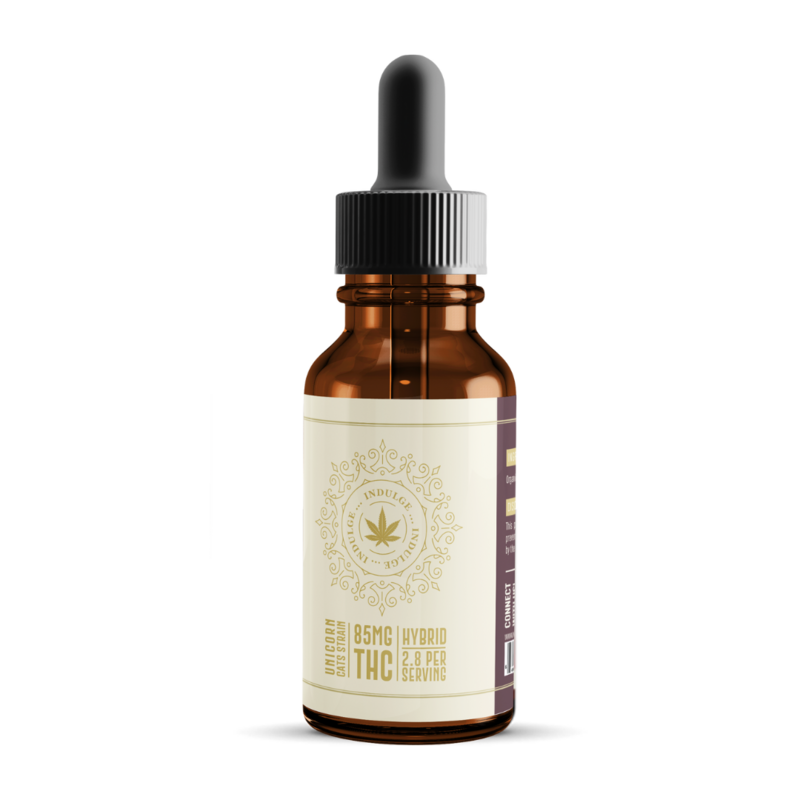
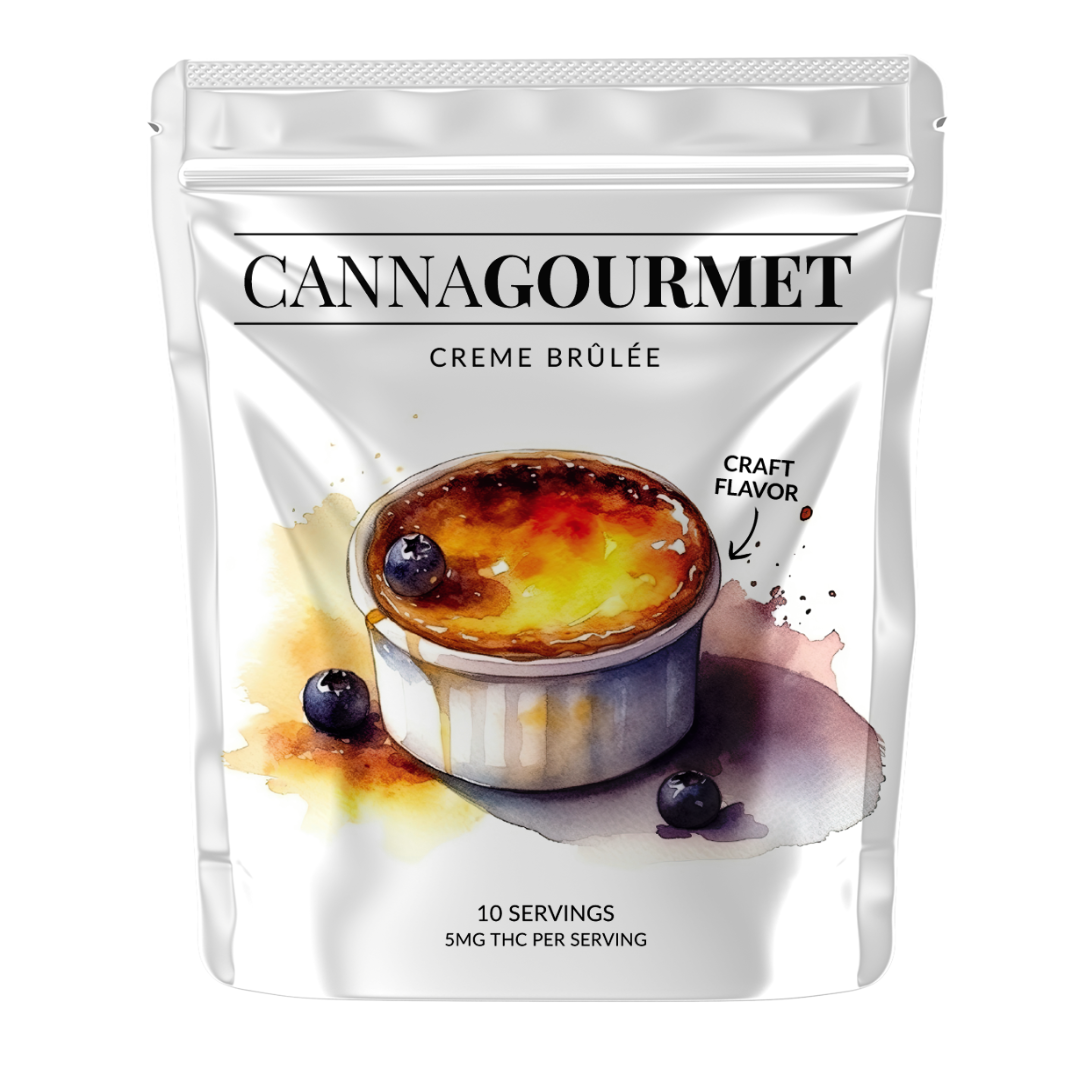
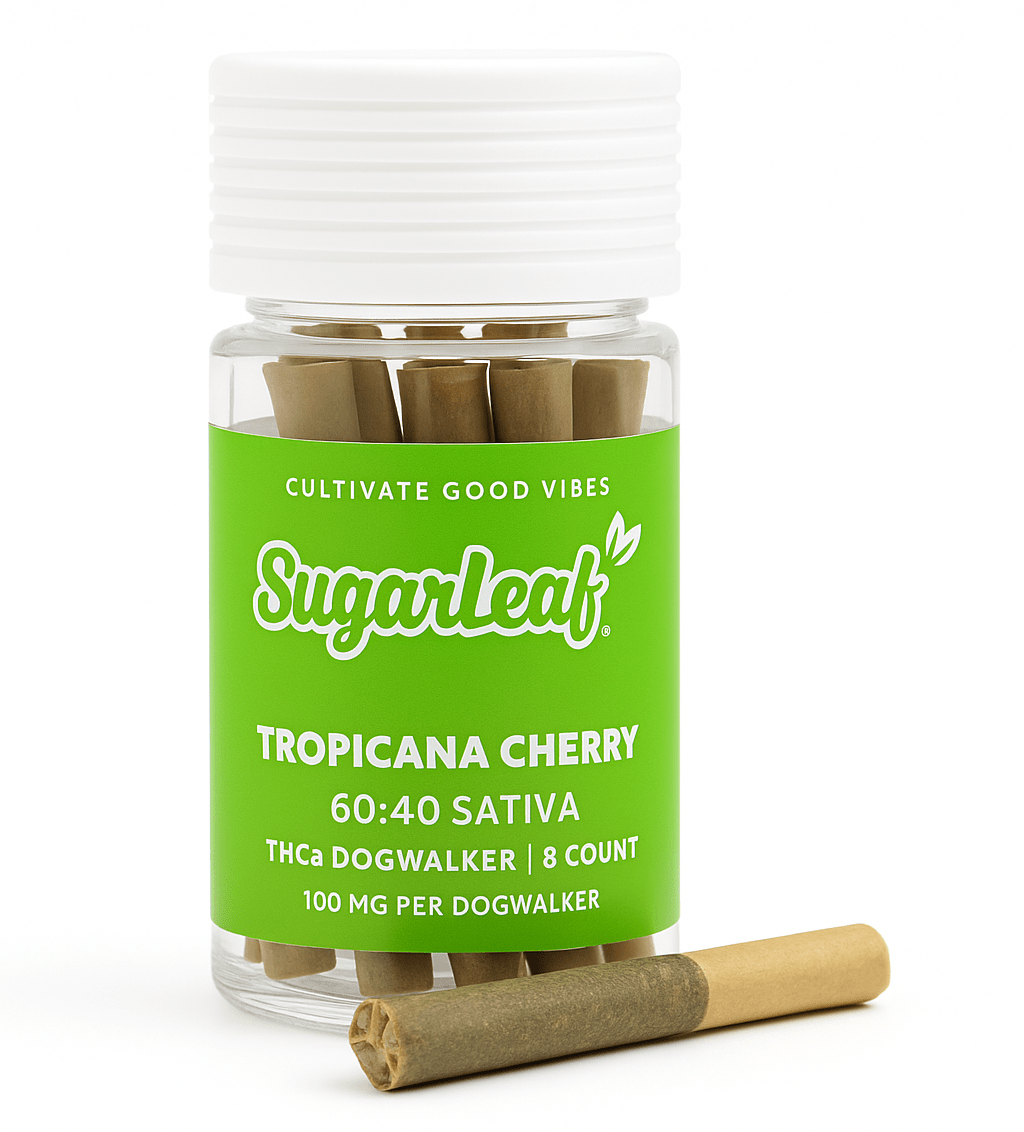
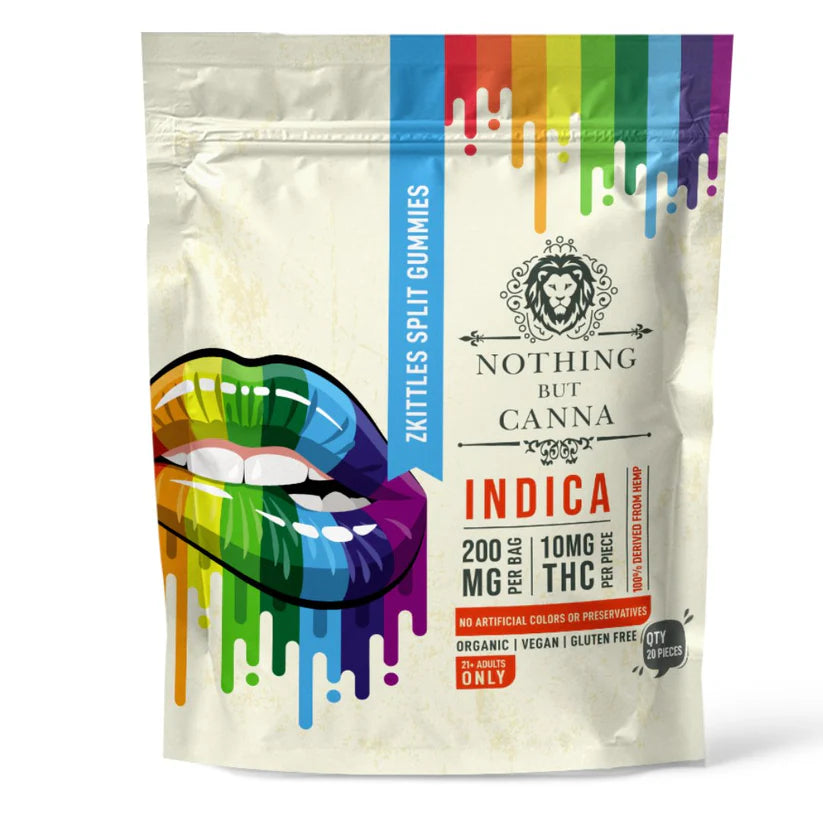









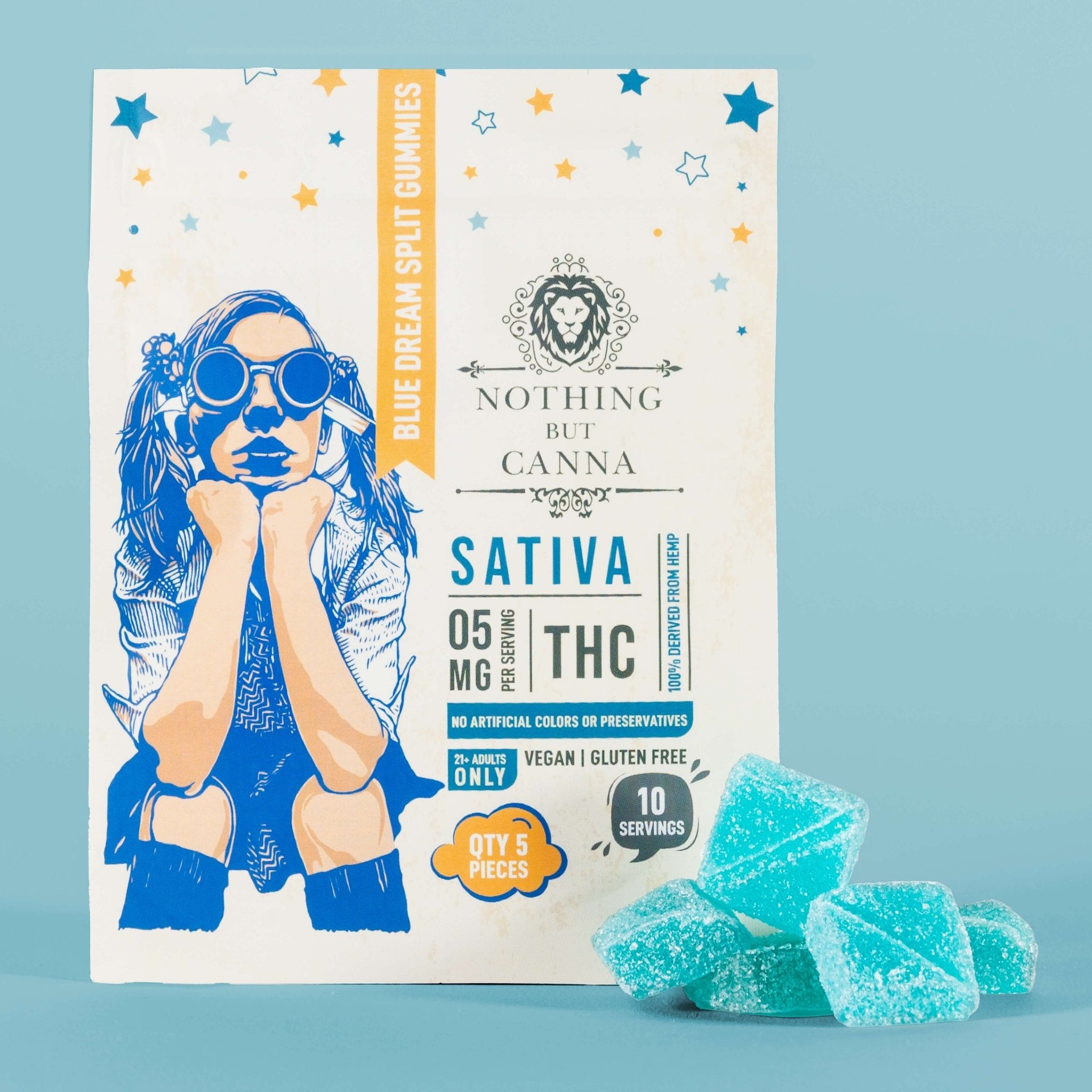

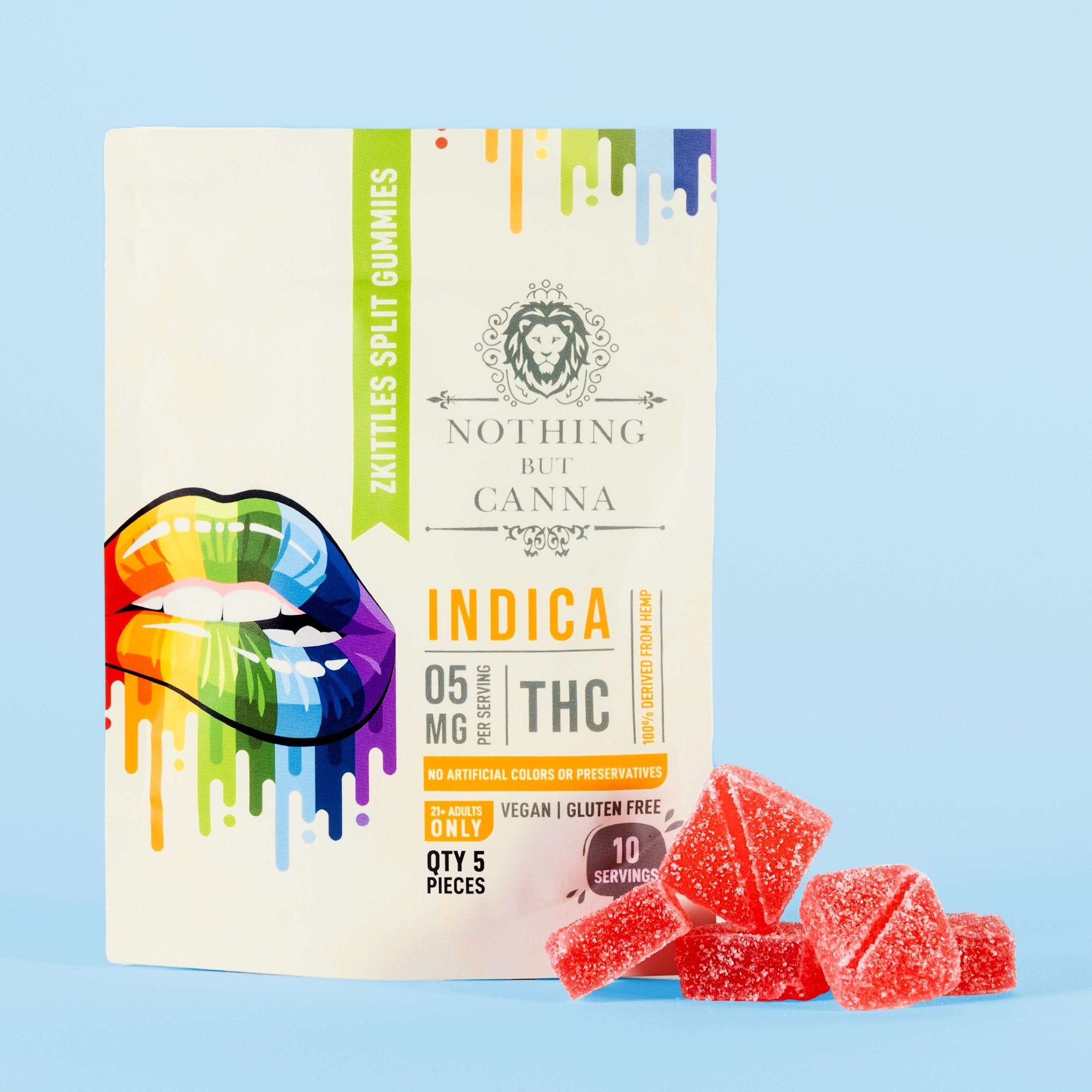



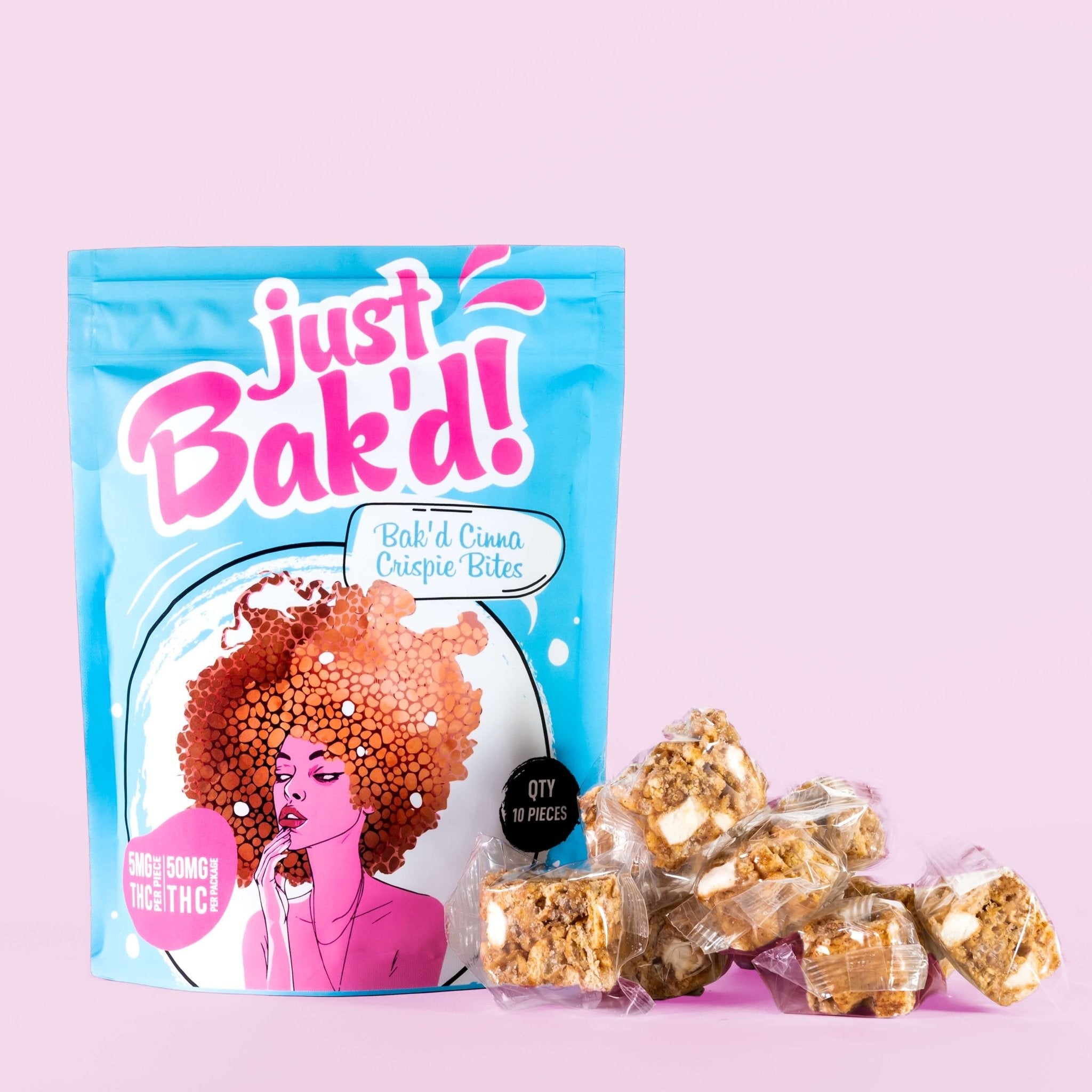

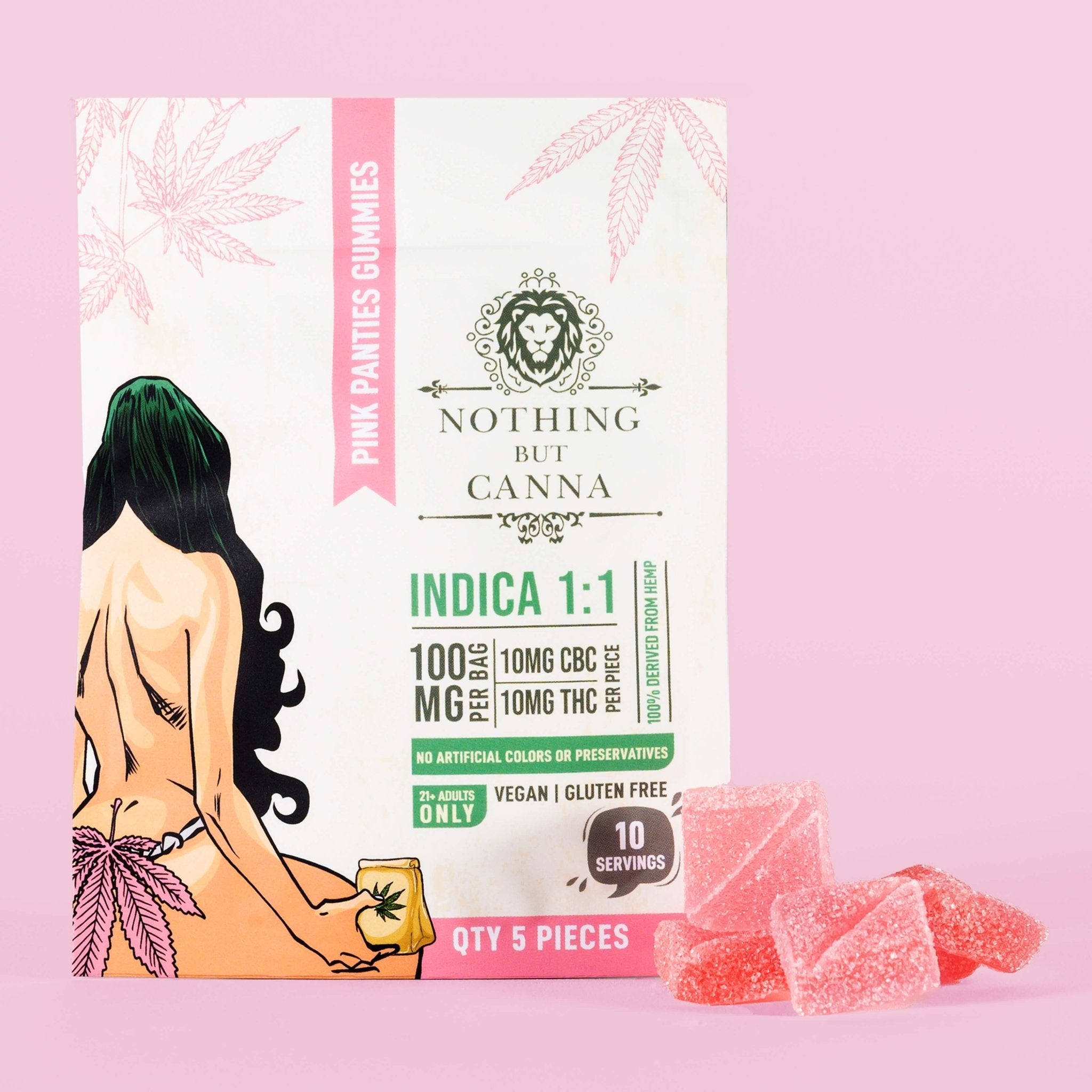

As cannabis moves toward Schedule III at the federal level, much of the public conversation has focused on what this change means for licensed marijuana operators. Less attention has been paid to a more complex and consequential question: what Schedule III means for states that have adopted low-dose hemp THC programs and plan to continue them even if a federal hemp ban goes into effect.
This is not a theoretical issue. Several states have built intentional regulatory frameworks around low-dose hemp products, and some have signaled that they intend to preserve those programs regardless of federal changes. For hemp businesses operating in those states, the future is neither unchanged nor closed, but it is narrower, more regulated, and far more dependent on compliance infrastructure.
Schedule III Changes the Comparison, Not the Law
Moving cannabis from Schedule I to Schedule III does not legalize marijuana federally. Cannabis would remain a controlled substance, and state cannabis markets would still operate under federal tolerance rather than federal authorization.
What Schedule III does change is how THC markets are compared.
Licensed marijuana businesses will lose IRS 280E penalties, improving cash flow and financial stability. That shift alters how regulators, banks, insurers, and payment processors view risk. Hemp THC programs, even when legal under state law, will increasingly be evaluated against a cannabis industry that now appears more compliant at the federal level.
For states planning to continue hemp programs after a federal hemp ban, this comparison becomes unavoidable.
Intrastate-Only Commerce Becomes the Baseline
If a federal hemp ban is enacted while states choose to continue allowing low-dose hemp THC products, hemp businesses should expect to operate on a strictly intrastate basis.
This means:
-
Manufacturing, distribution, and sales must occur entirely within state borders
-
Interstate shipping of THC products is no longer viable
-
Brands, supply chains, and compliance must be state-specific
This structure mirrors how state-legal cannabis markets function today and reinforces the reality that continuing hemp programs will require cannabis-level discipline.
Credit Card Processing Will Tighten First
Payment processing is often the earliest indicator of regulatory stress.
If intoxicating hemp becomes federally restricted, credit card networks and acquiring banks are likely to reassess hemp THC businesses, even in states that continue to allow them. Processors operate under federal rules and conservative risk models, and state legality alone may no longer be sufficient.
Hemp businesses should anticipate:
-
Increased underwriting and monitoring
-
Sudden account terminations or reclassification
-
Higher processing fees and rolling reserves
-
Reduced tolerance for ambiguous product labeling or marketing
Meanwhile, marijuana businesses operating under Schedule III may see gradual improvements in payment access, further widening the perception gap between the two THC markets.
Insurance Becomes a Critical Pressure Point
Insurance is often overlooked until it disappears.
In a post–federal hemp ban environment, insurers may:
-
Narrow or exclude coverage for hemp-derived THC
-
Increase premiums or impose stricter underwriting requirements
-
Require explicit proof of state authorization and compliance
-
Scrutinize claims more aggressively
Without insurance, businesses risk losing access to landlords, distributors, retailers, and financial partners. Even in states committed to continuing hemp programs, the availability of insurance may determine which operators survive.
States That Continue Hemp Programs Will Regulate More, Not Less
States that intend to preserve low-dose hemp programs after a federal ban will likely do so by tightening their regulatory frameworks.
Expect:
-
Lower serving limits and clear package caps
-
Mandatory testing, traceability, and recordkeeping
-
Age-gated sales and restricted marketing
-
Clear separation from unregulated online markets
Programs that resemble responsible, low-risk consumer access models are more defensible to federal agencies, banks, and insurers than loosely regulated systems.
What Hemp Businesses Should Be Doing Now
For hemp businesses operating in states that plan to continue their programs if a federal hemp ban goes through, preparation is no longer optional.
Operators should be:
-
Building intrastate manufacturing and distribution models
-
Securing specialized banking and payment relationships
-
Reviewing insurance policies for exclusions and renewal risks
-
Designing products that fit conservative dosing frameworks
-
Preparing for potential migration into licensed cannabis systems
The businesses that endure will be those that treat compliance as core infrastructure, not marketing language.
The Bottom Line
Cannabis moving to Schedule III does not end state hemp programs, even if a federal hemp ban goes into effect. But it dramatically raises the bar for those programs and the businesses operating within them.
States that intentionally adopted low-dose hemp THC frameworks can continue them, but only by demonstrating strong regulatory discipline. Hemp businesses in those states can survive, but only by operating locally, conservatively, and transparently.
Schedule III does not shut down low-dose hemp.
It forces it to justify its place in the modern THC landscape.
For operators prepared to meet that standard, the door remains open