


























Minnesota’s cannabis policy conversation took another sharp turn at the Capitol as House File 4203, a wide-ranging agency and industry cleanup bill, failed to advance out of committee after a tense hearing, a public dispute over negotiations, and a razor-thin vote.
The bill, carried by Rep. Hansen, was intended to move forward a package of cannabis and hemp-related fixes. Instead, it exposed a deeper issue that continues to haunt Minnesota’s rollout: shifting rules, unclear commitments, and growing frustration from the businesses already invested in the system.
What House File 4203 Was Supposed to Do
On its surface, HF 4203 was positioned as a cleanup and efficiency bill. It combined several proposals aimed at improving how Minnesota regulates hemp-derived THC and prepares for adult-use cannabis.
Key components included:
- eliminating outdated reporting requirements
- repealing temporary hemp transition rules
- clarifying agency language and labor references
- allowing cannabis businesses to sell equipment to each other
- clearing licensing backlogs with deadlines for applicants
- creating a pathway for hemp businesses to transition into cannabis
- updating labeling rules, including QR code flexibility
- simplifying business structure changes
- strengthening enforcement against unlicensed operators
- adjusting employment requirements in the medical program
- beginning changes to the structure of the medical cannabis market
That last piece is where the bill ran into serious trouble.
The Real Issue: Changing the Rules Mid-Game
The most controversial part of the bill centered on restructuring Minnesota’s medical cannabis system.
Rep. Hansen framed this as “streamlining.” But from the perspective of many in the industry—and as clearly articulated by Rep. Nolan West—this looked like something else: another major rule change layered onto businesses that have already invested millions under the current framework.
West made a key point that shouldn’t be ignored:
Minnesota cannot keep asking businesses to play by one set of rules, invest heavily, and then rewrite those rules after the fact.
During the hearing, West referenced a negotiated agreement between the parties, particularly around an “opt-out” provision designed to protect existing operators from being forced into a new structure.
He asked a straightforward question:
Would that agreement be honored in the next stage of the process?
He didn’t get a clear answer.
Instead, the response was procedural. Amendments could be brought later. Committees would decide. Stakeholders still needed to weigh in.
That may be technically true. But from a business standpoint, it reinforces the exact concern West was raising:
There is no certainty.
And without certainty, investment slows, expansion stalls, and trust erodes.
Industry Reality: This Isn’t Just Policy, It’s Survival
Beyond the political back-and-forth, the hearing also revealed something more grounded: the system still doesn’t fully match how this industry actually operates.
Labeling requirements were a clear example.
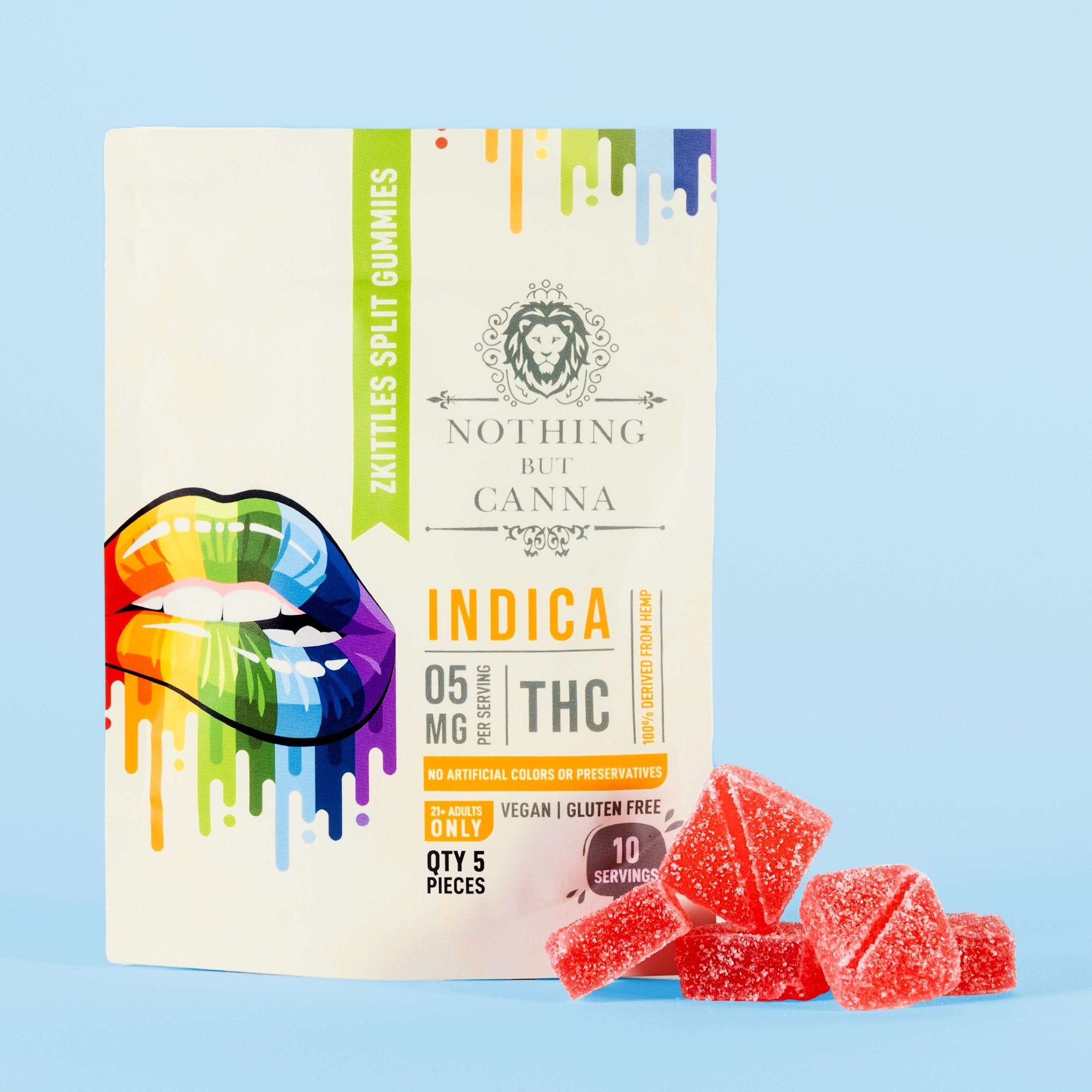
Current rules require detailed production disclosures printed directly on packaging. While transparency is important, the reality is that supply chains shift constantly. Co-packers change. Inputs change. Manufacturing partners change.
When packaging is already printed, those changes create immediate compliance problems.
That leaves businesses with three bad options:
- delay production
- throw away packaging and absorb the loss
- or avoid Minnesota entirely
The proposed QR code fix is not a loophole. It’s a practical solution.
One testifier, Glenn McElfresh, spoke to these challenges, particularly from the beverage segment. But this issue goes far beyond beverages.
At Nothing But Hemp, we see the full picture.
This impacts edibles, tinctures, topicals, flower—the entire industry. The problem isn’t one category. The problem is a system that sometimes prioritizes theoretical compliance over real-world operations.
And when that happens, the entire market feels it.
The Vote: A One-Vote Collapse
After all the discussion, the committee voted.
The result: 9 in favor, 10 opposed.
The bill failed.
Not decisively. Not overwhelmingly. But by a single vote.
That margin tells the story. This wasn’t a rejection of cannabis policy. It was a rejection of how this bill—and these changes—were being handled.
What This Means
This moment signals three important things:
1. Trust is becoming the central issue
This is no longer just about policy details. It’s about whether agreements are honored and whether businesses can rely on the system.
2. Stability matters more than speed
Rushing changes, especially structural ones, creates more risk than progress.
3. Lawmakers are divided on how to move forward
And until that’s resolved, expect more close votes like this.
The Bigger Picture: This Fight Isn’t Over
The session isn’t over. Not even close.
Bills like HF 4203 don’t disappear. They get rewritten, repackaged, and reintroduced. Pieces of this bill will likely come back—either in Ways and Means, in conference committee, or folded into other legislation.
And they should.
But they need to come back the right way.
Because there’s something bigger at stake here: the future of hemp in Minnesota.
At the federal level, hemp is under increasing scrutiny. If federal policy tightens or shuts down parts of the hemp market, Minnesota businesses will need a way forward.
That way forward is adult-use cannabis.
Without a clear, reliable transition path, hemp operators risk being squeezed from both sides—federal uncertainty on one end and shifting state rules on the other.
This is where West’s position matters most.
The goal should not be to force businesses into a new system overnight.
The goal should be to build a bridge they can actually cross.
A real one.
A stable one.
One that doesn’t move halfway across.
The hearing may be over.
The bill may have failed.
But the core issue remains:
Minnesota needs to decide whether it’s building an industry…
or constantly rebuilding it while people are already standing inside.