




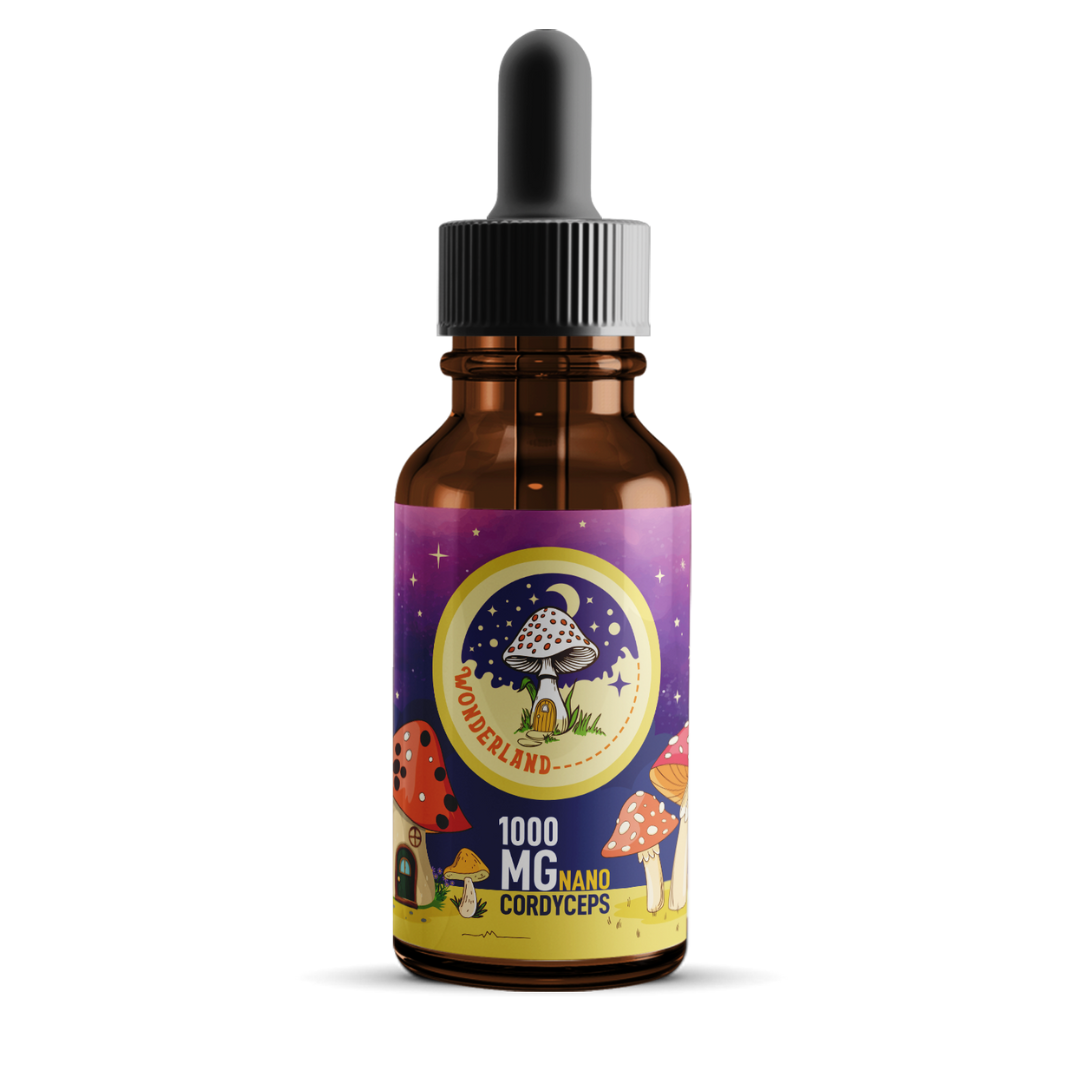
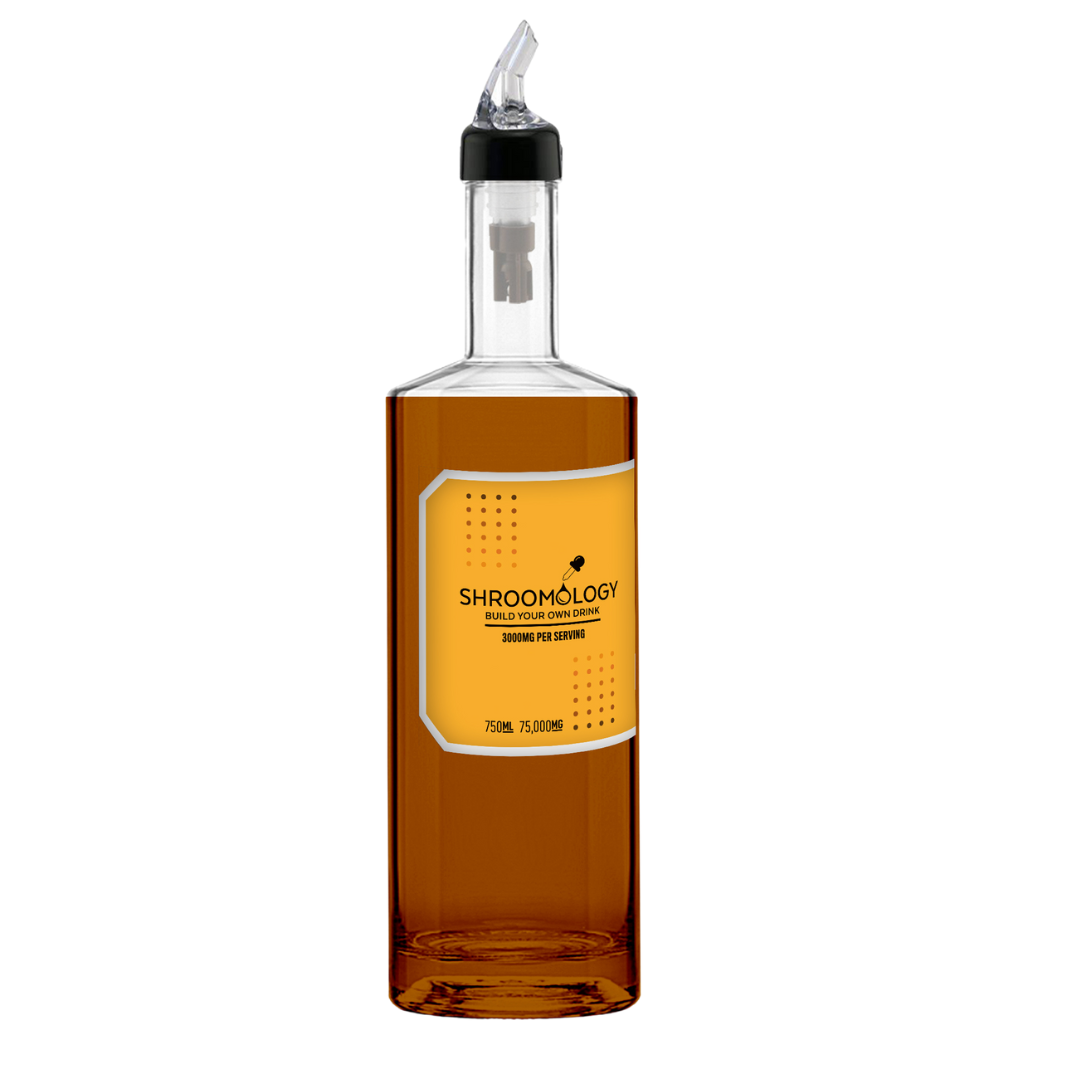
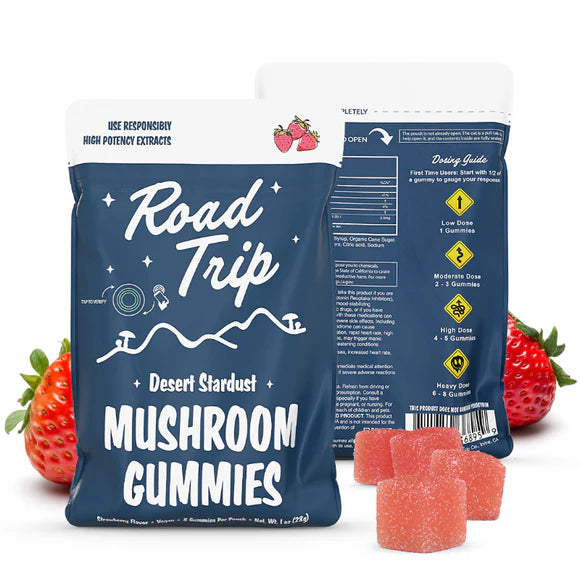

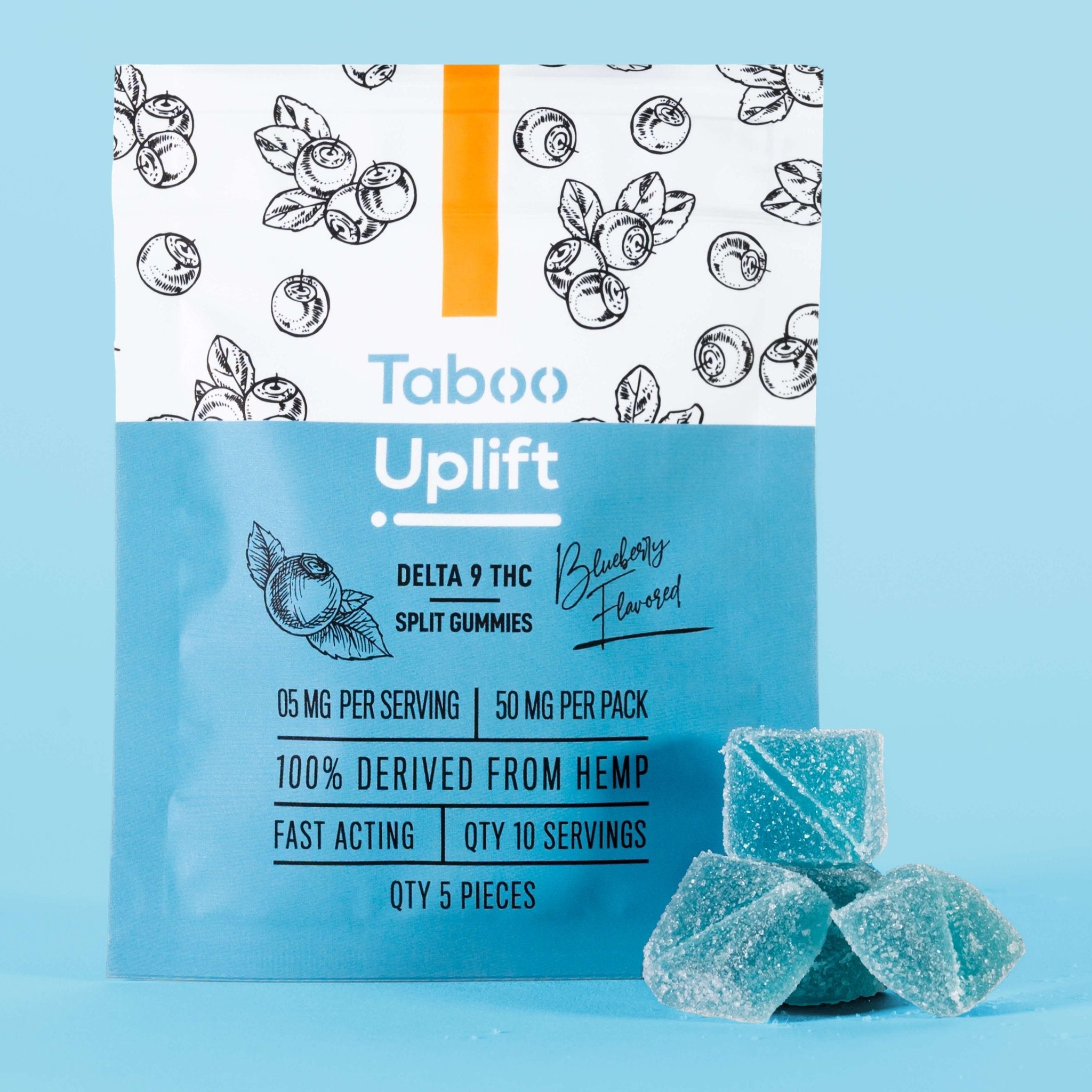



In a stunning display of legislative precision, Georgia’s SB 33 takes aim at the hemp industry with a groundbreaking strategy:
Make sure nothing works.
Not beverages. Not edibles. Not anything remotely resembling a noticeable experience.
Because why regulate a market… when you can gently suffocate it with decimals?
The 0.4 mg Master Plan
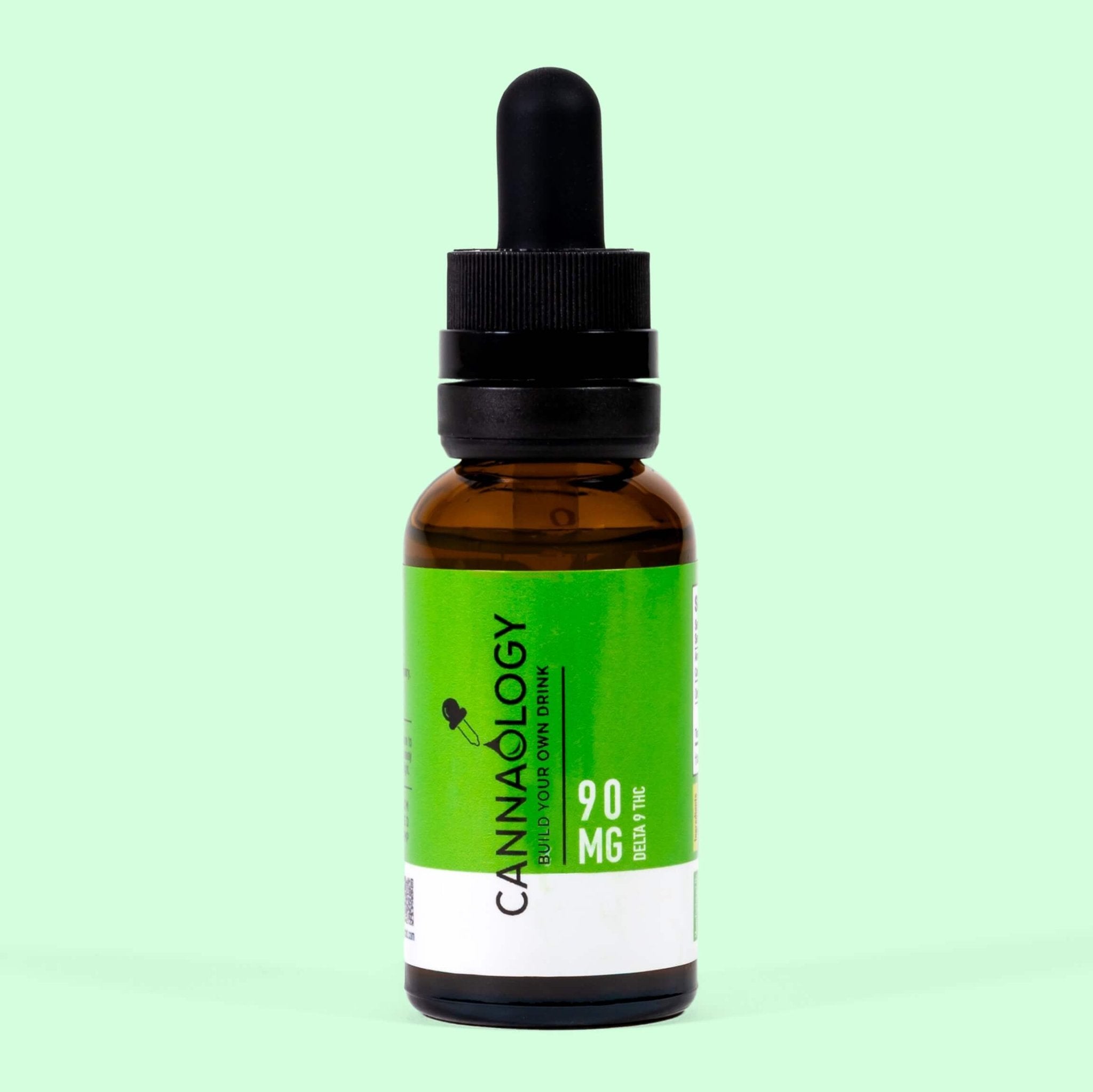
SB 33 proposes a 0.4 mg THC limit per container.
Not per serving. Not per dose.
Per container.
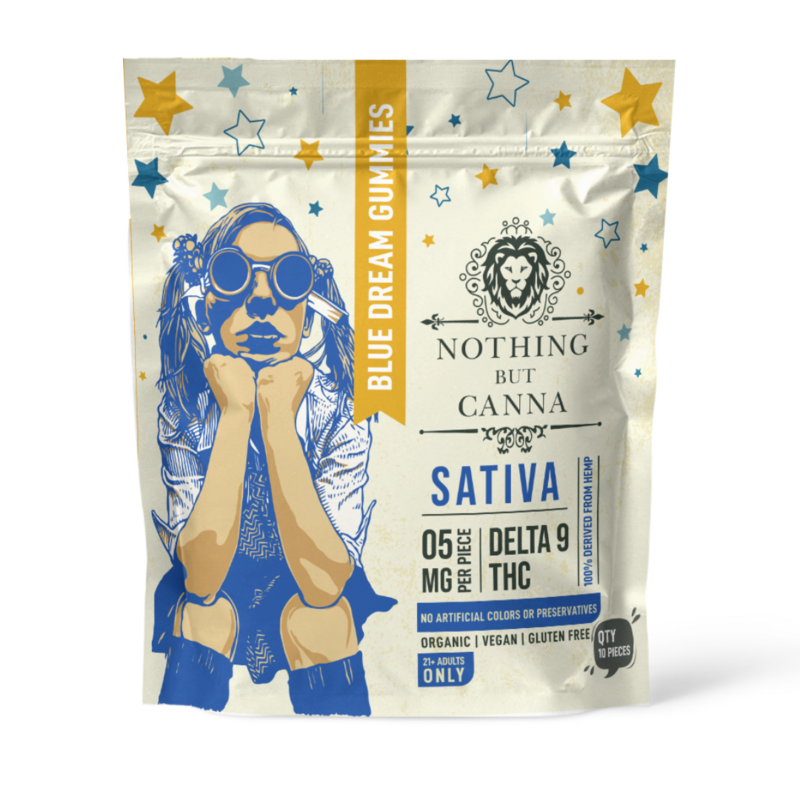
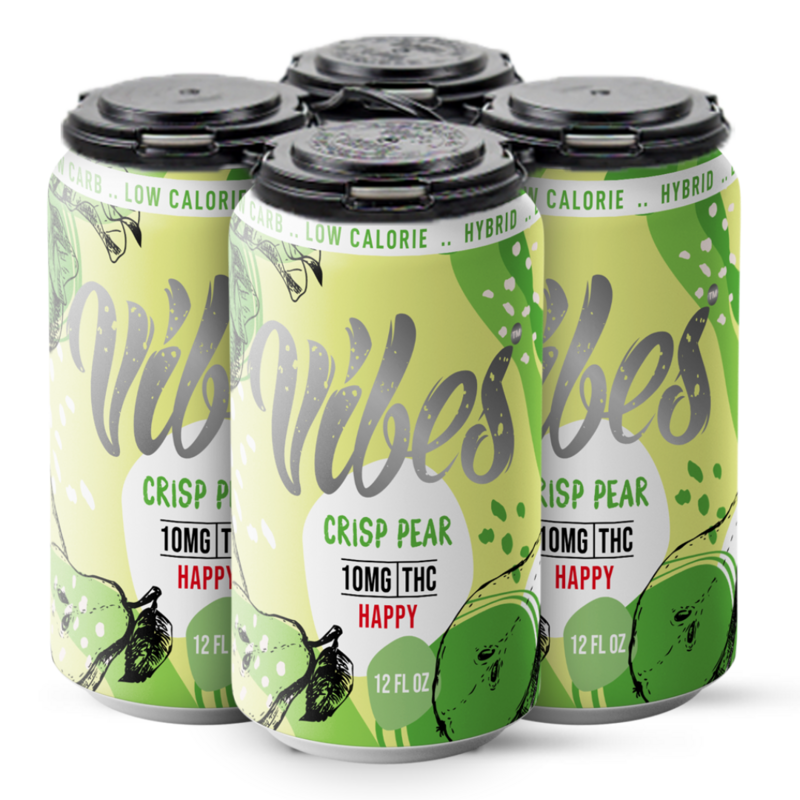
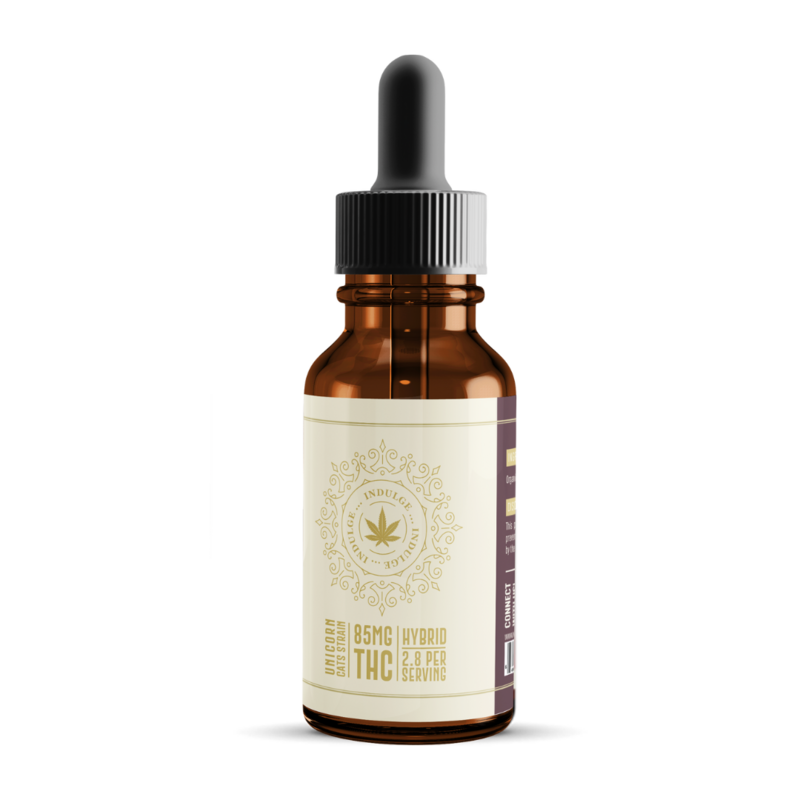
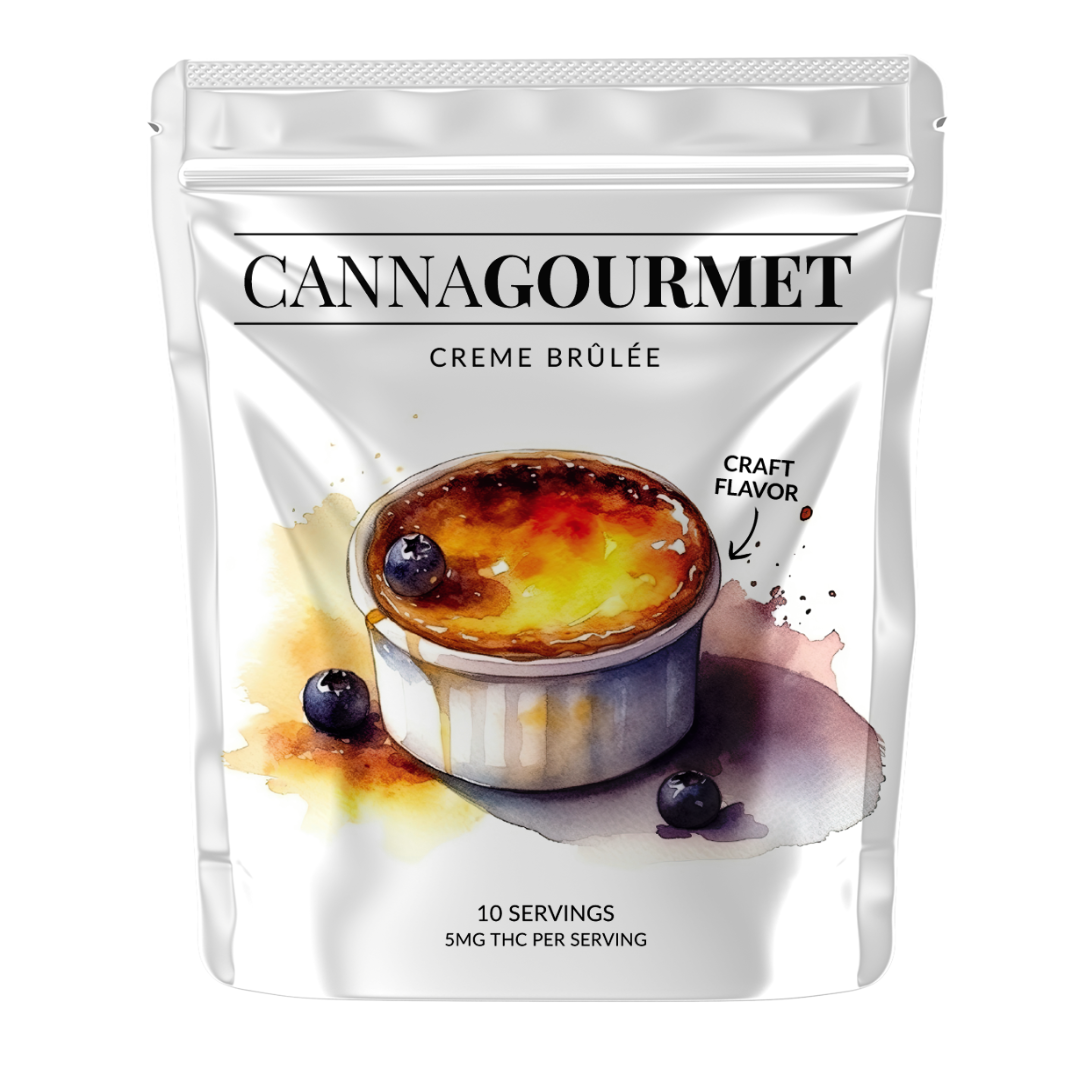
Which means whether it’s a beverage, gummy, chocolate, or anything edible, the entire product gets the THC equivalent of a polite handshake.
Welcome to the Era of “Decorative Edibles”
Let’s take a walk through the new Georgia-approved product lineup:
-
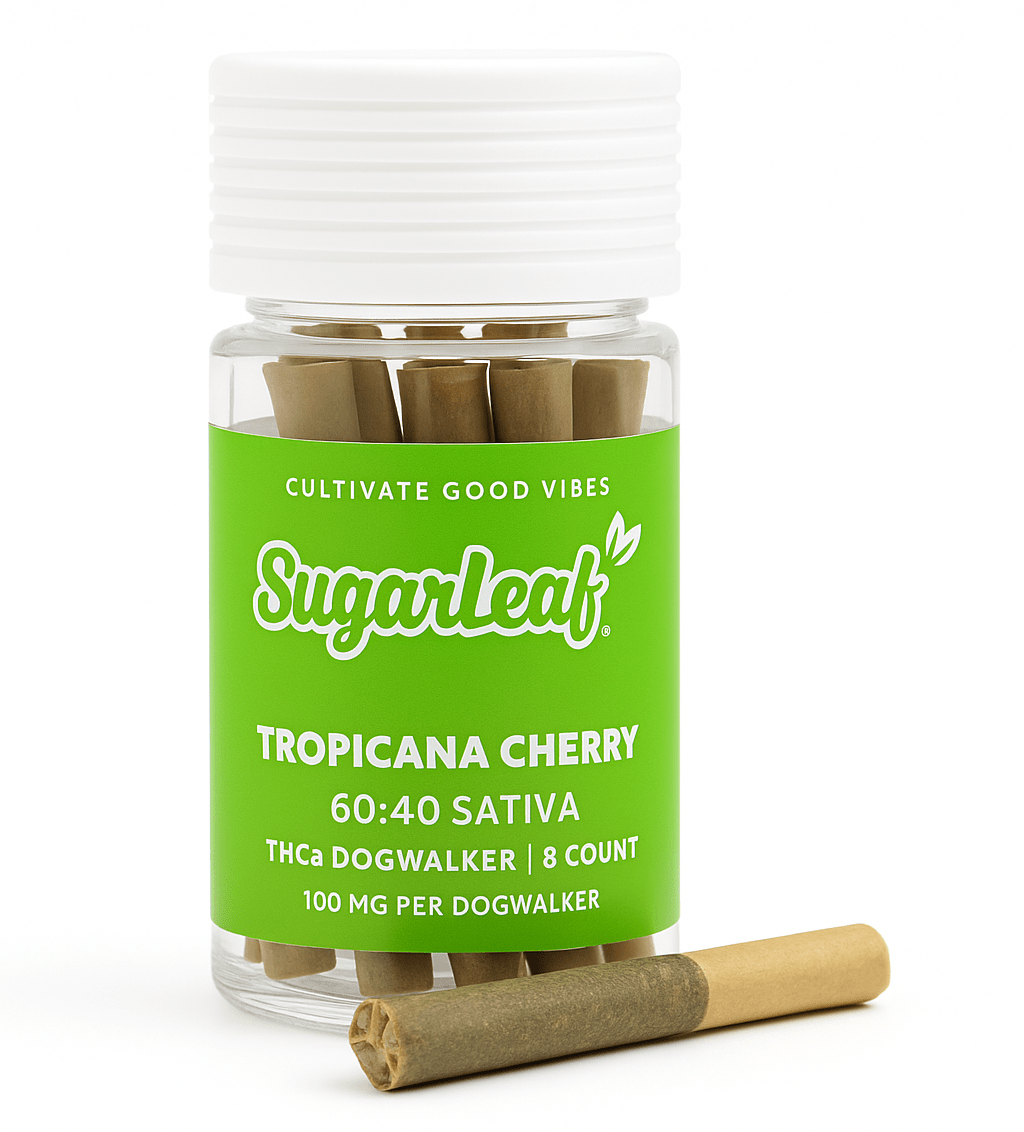
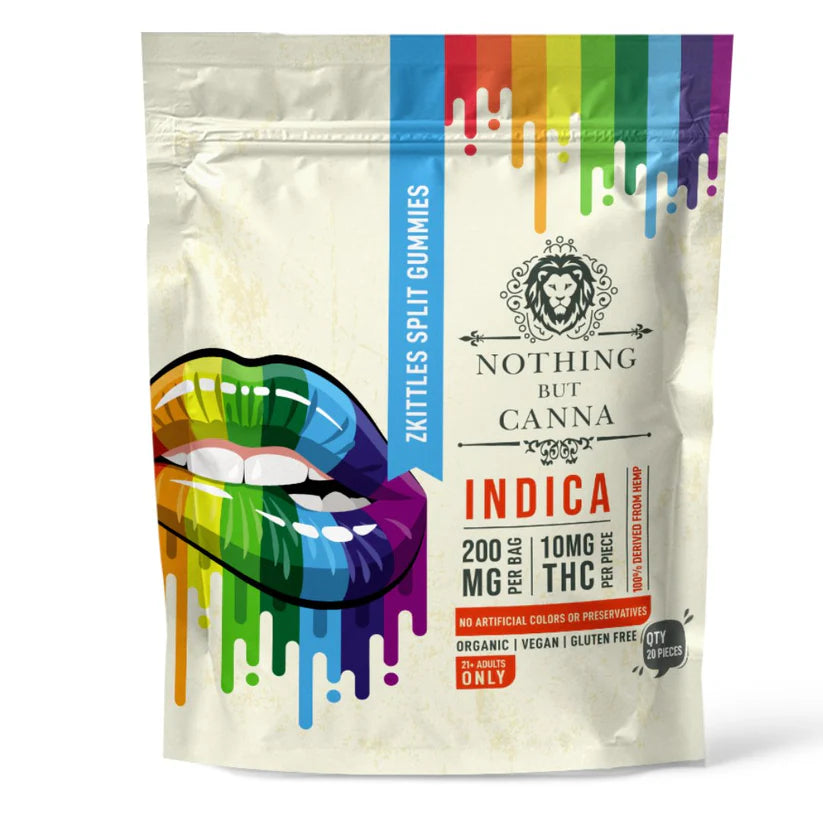
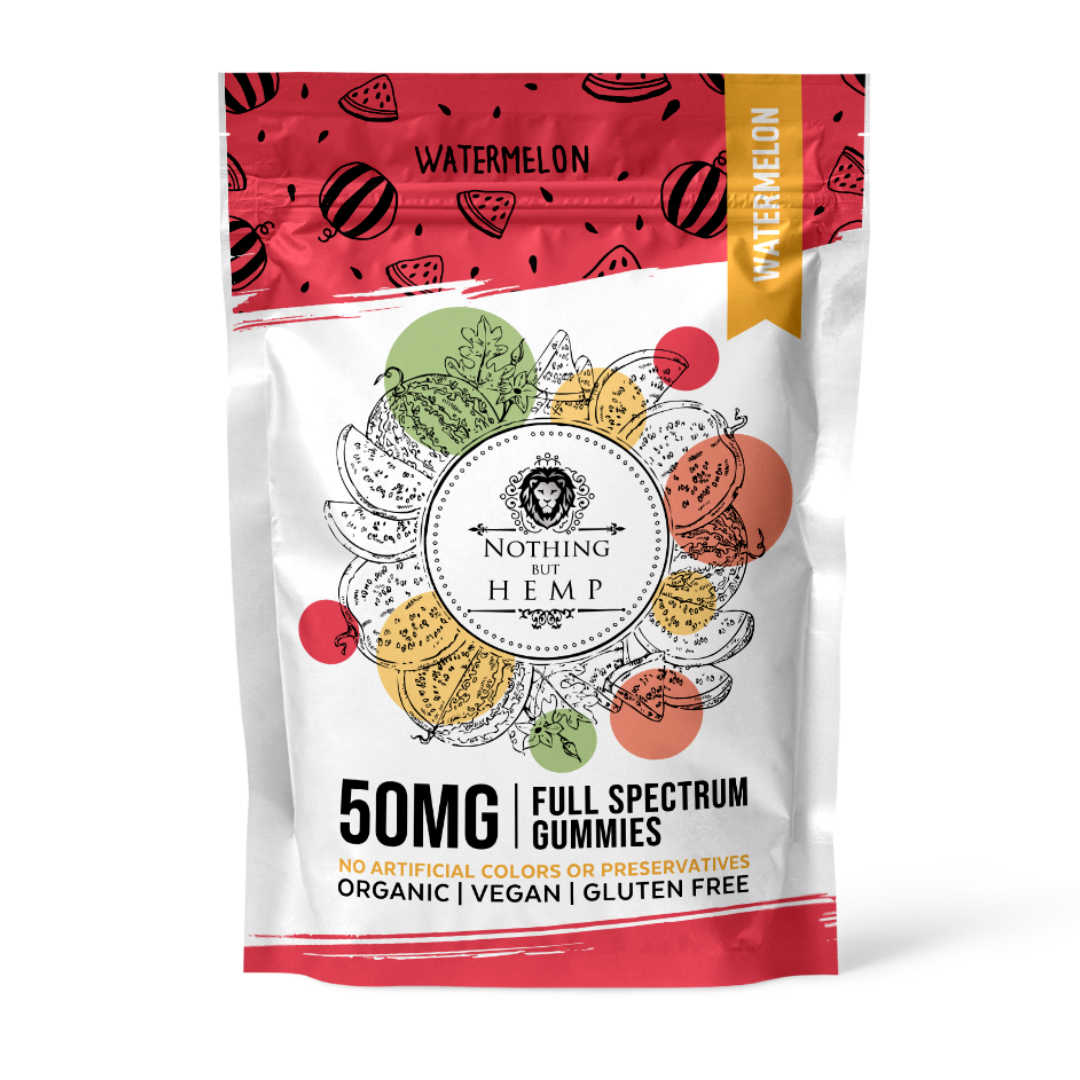
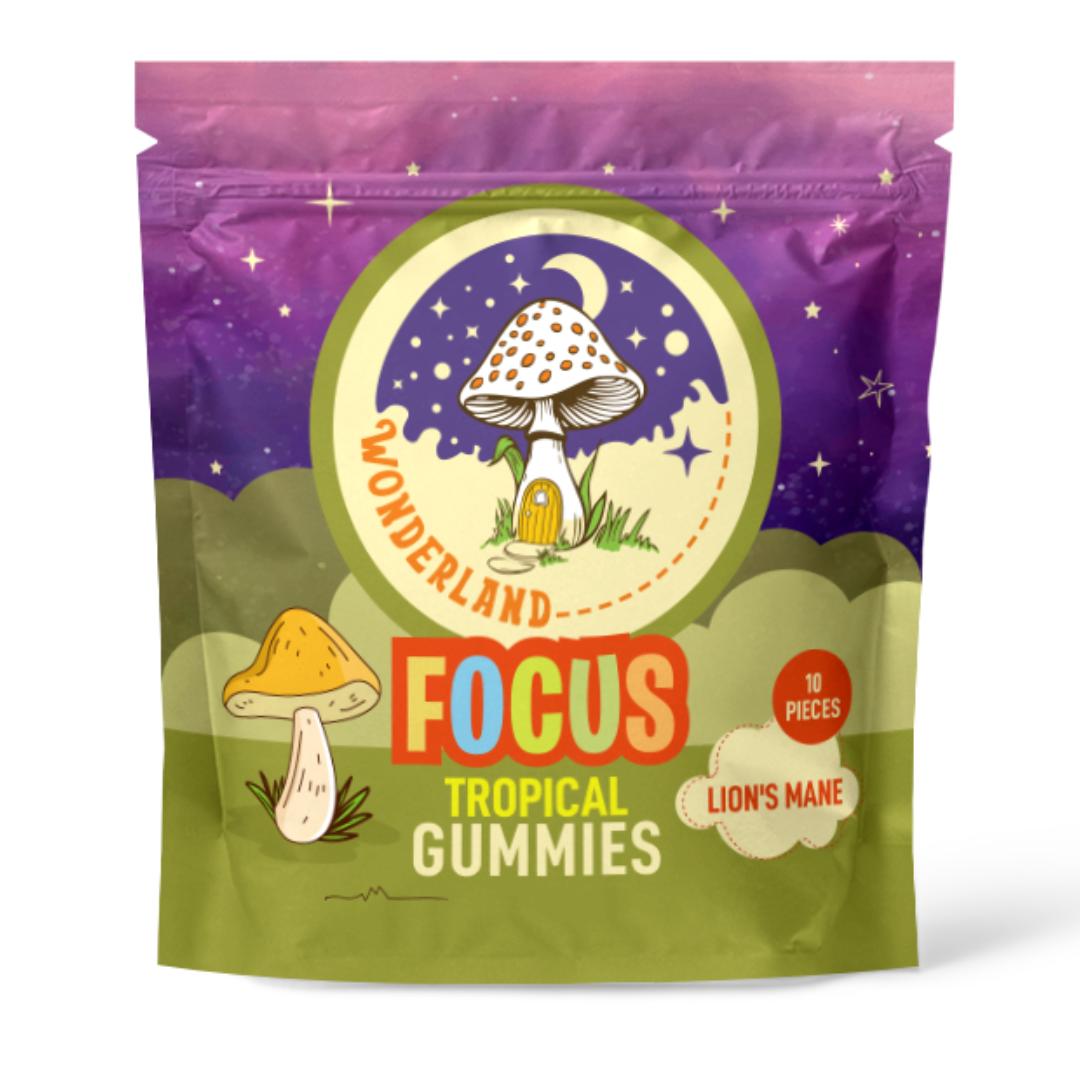
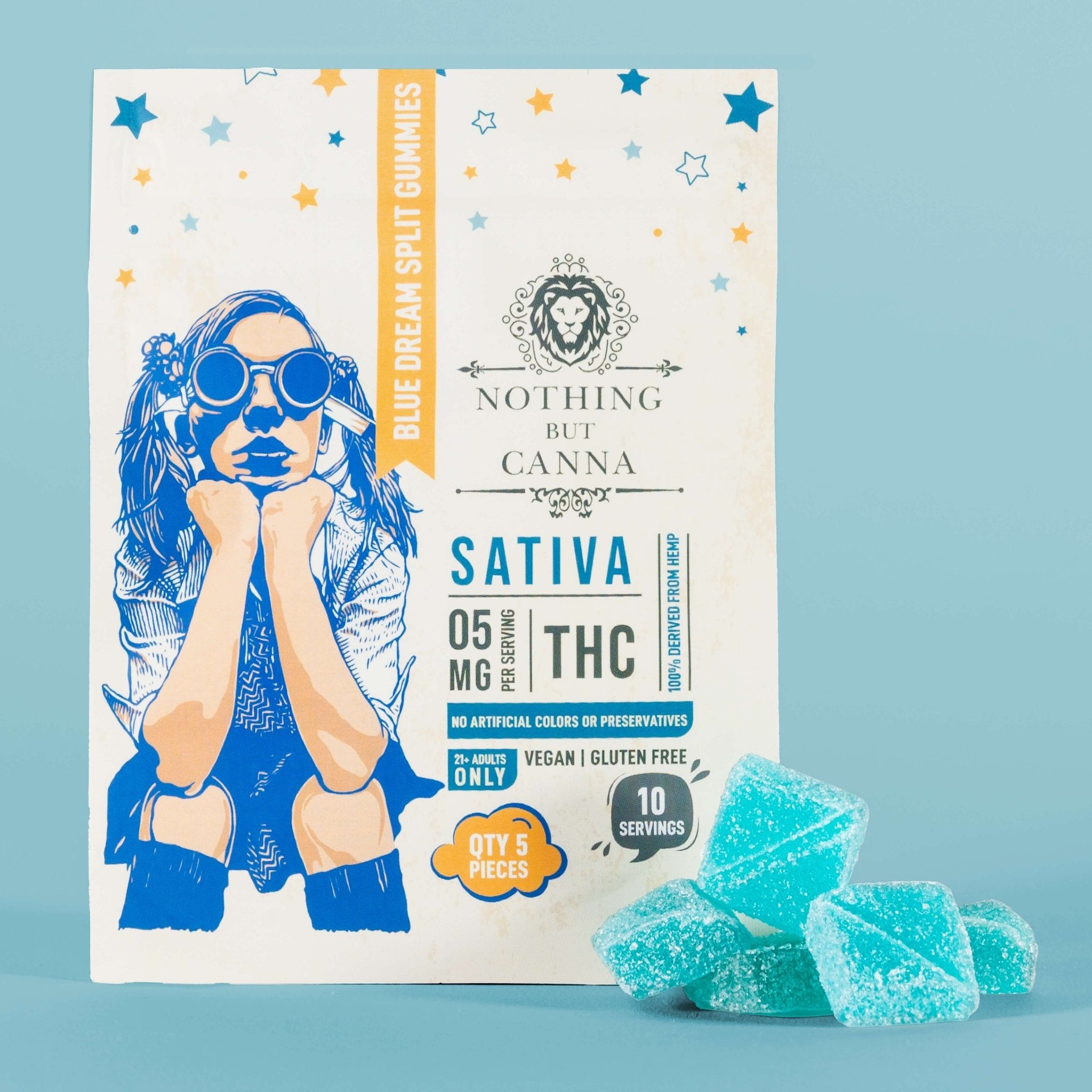
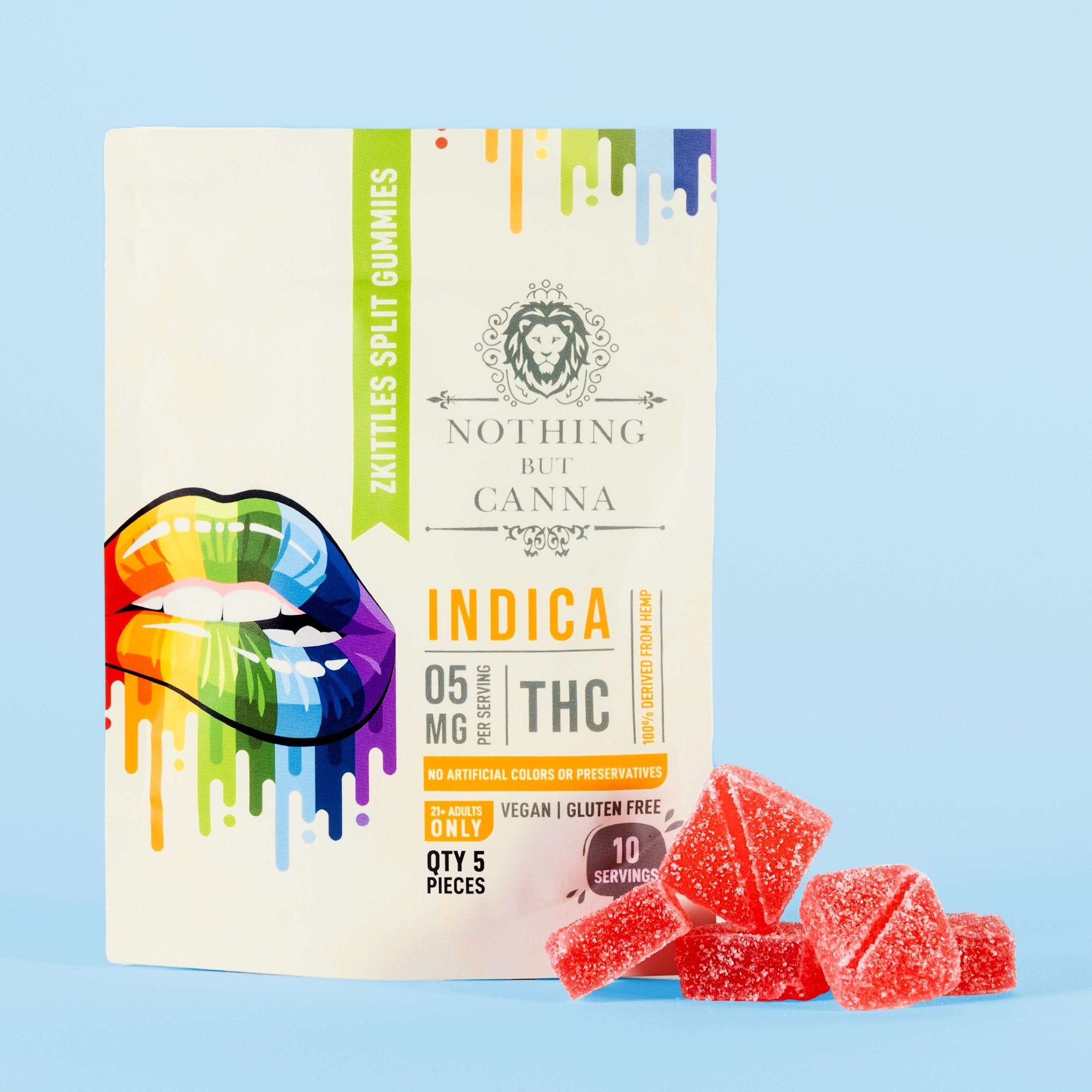
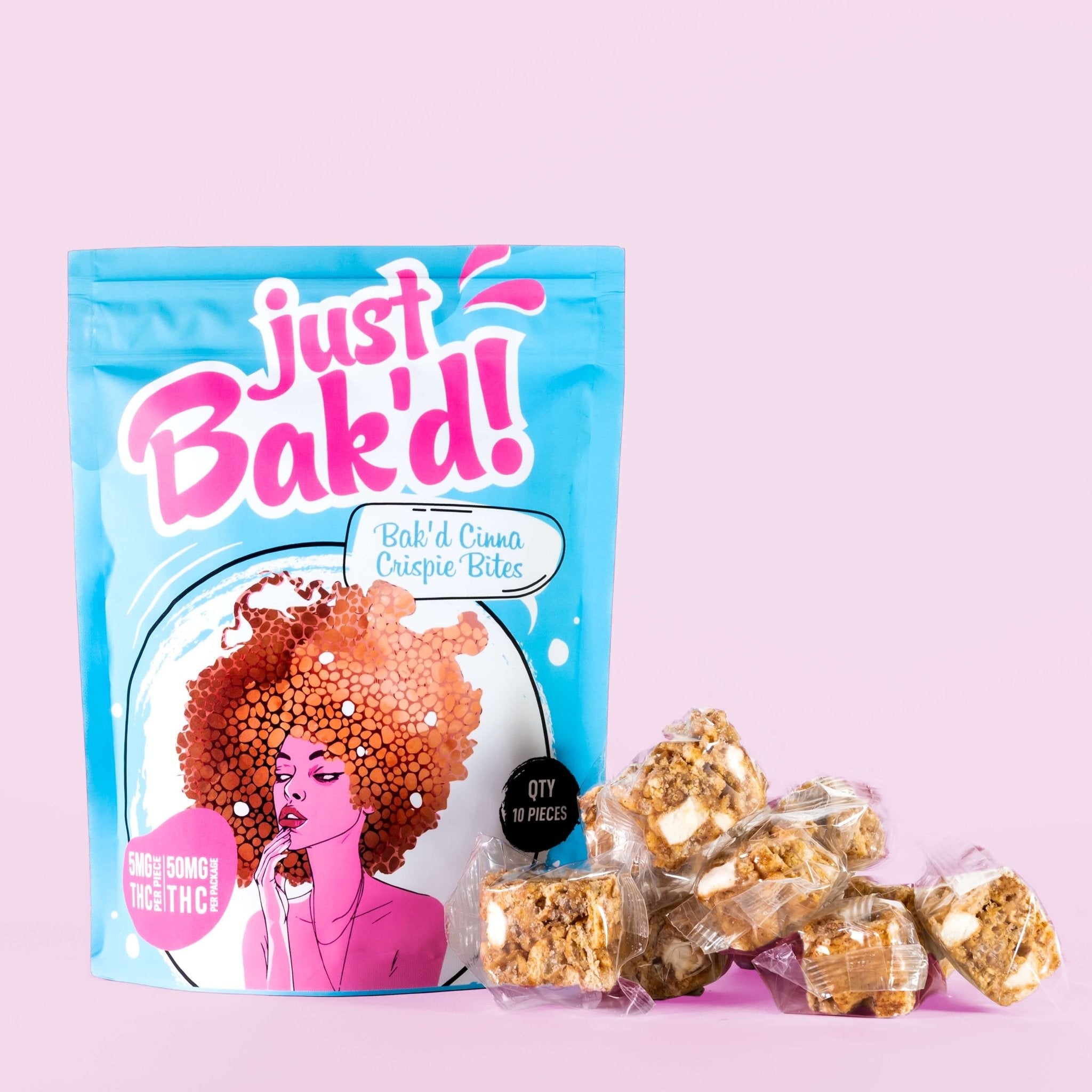
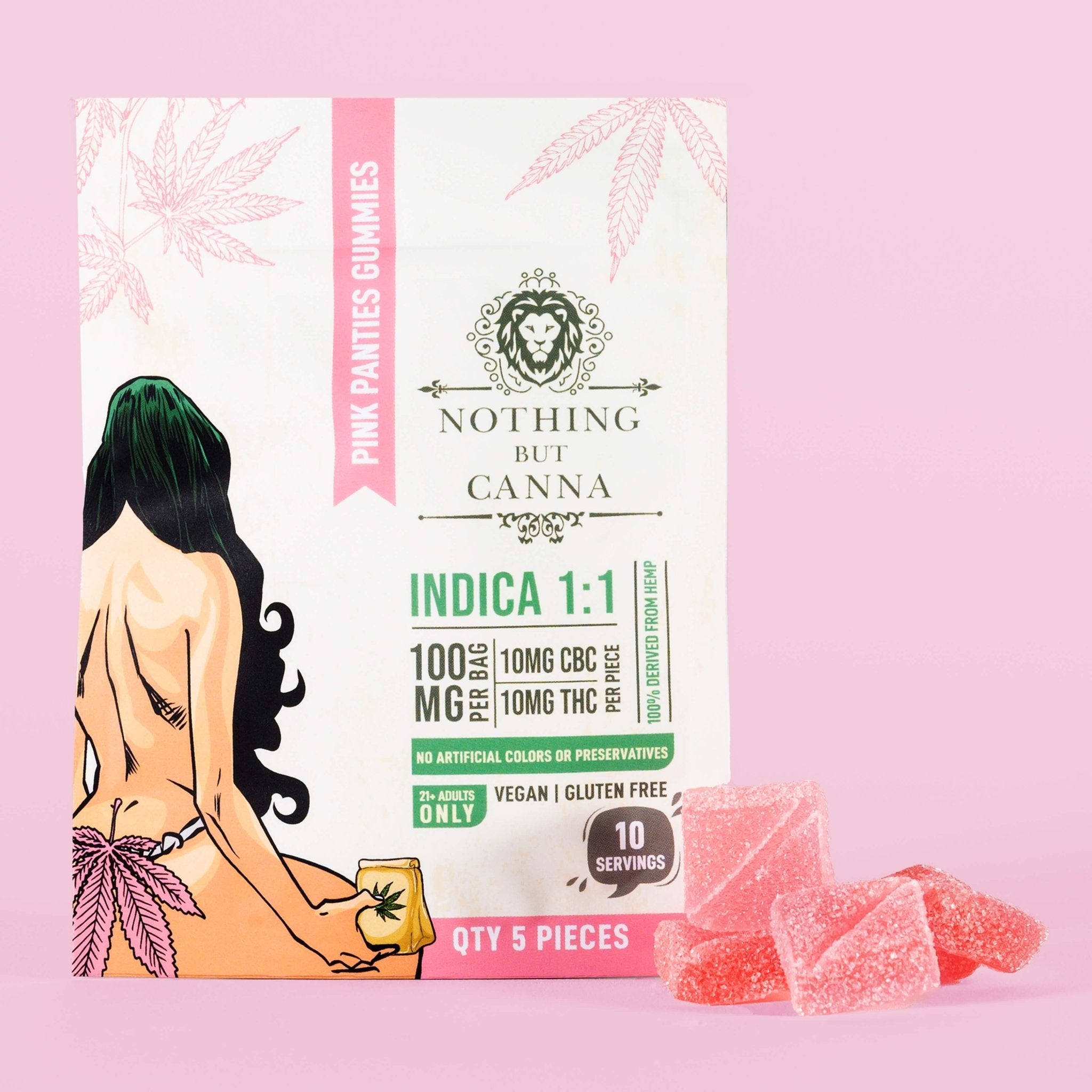
Gummies that function primarily as fruit snacks with a secret
-
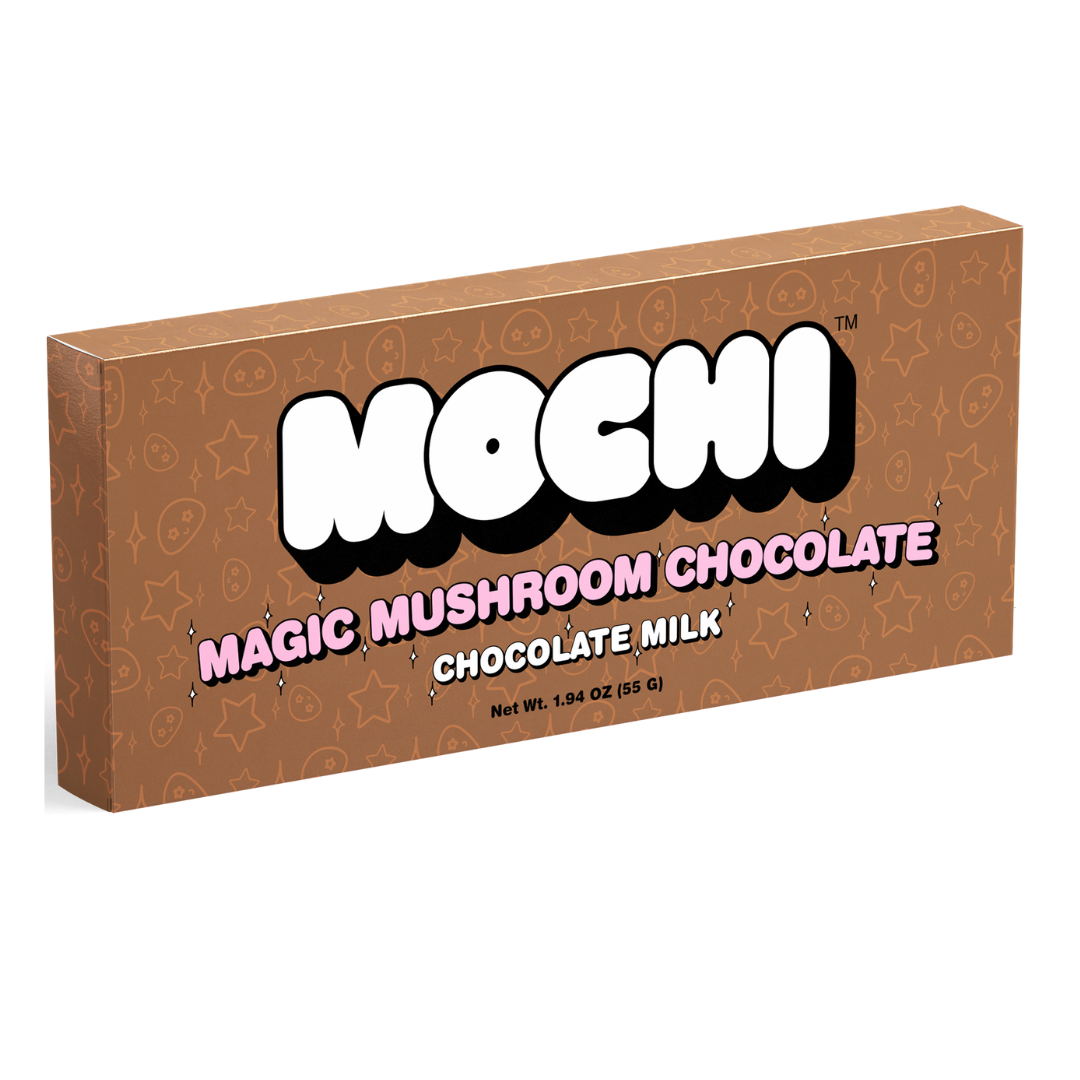
Chocolates that deliver all the THC intensity of a deep breath
-
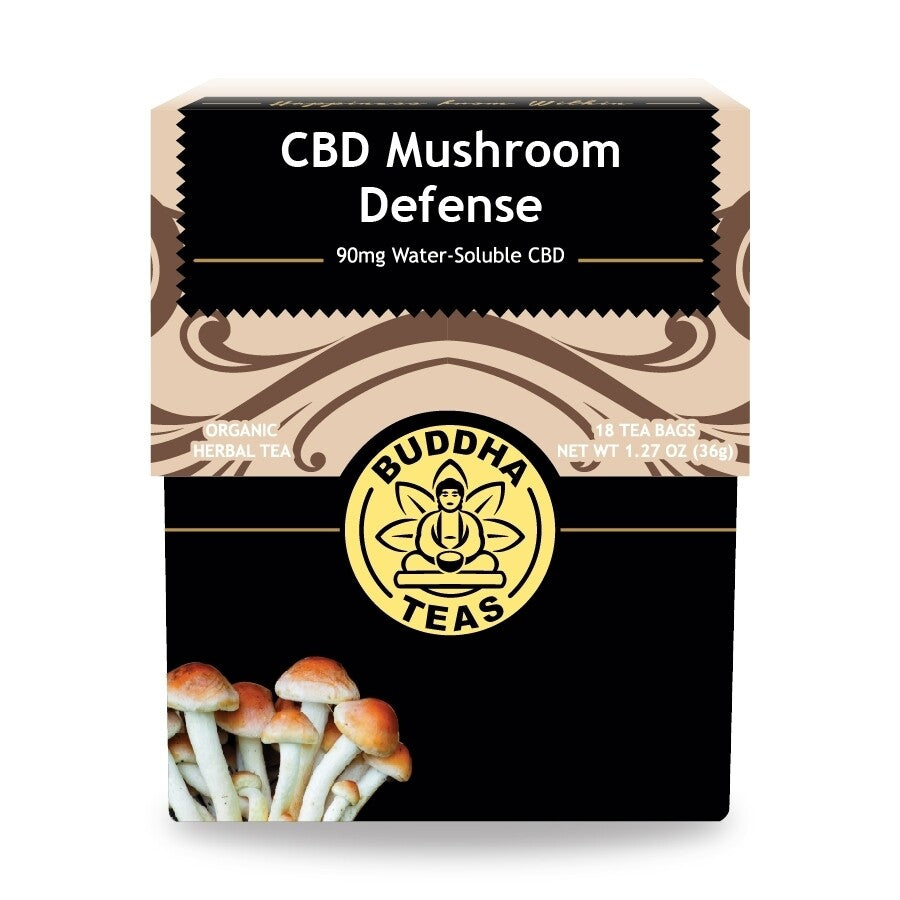
Beverages that hit like… water that once heard about THC
Consumers can now enjoy what experts are calling:
“Placebo Plus™”
It’s like regular hemp products, but with all the effects carefully removed for your peace of mind.
Dosing Math That Feels Like a Group Project Gone Wrong
Let’s say a typical low-dose edible today is 5 mg THC.
Under SB 33?
You’d need about 12.5 entire packages to reach that same effect.
At that point, you’re not consuming THC.
You’re conducting a logistical exercise.
“Do I want to relax tonight, or do I want to eat 37 gummies and rethink my decisions?”
Small Businesses: Now Featuring Disappearing Acts
Georgia’s hemp industry didn’t appear overnight. It’s been built by:
-
Independent brands
-
Local retailers
-
Manufacturers investing in compliant, tested products
SB 33 introduces an exciting new business model:
Sell products that no one will buy.
Margins vanish. Demand collapses. Shelves fill with items that customers pick up, squint at, and gently return like a confusing museum artifact.
The Safety Theater Production
Of course, this is all in the name of “safety.”
Because nothing says public protection like:
-
Removing effective, regulated products
-
Keeping legal businesses on life support
-
Hoping consumers just… stop wanting THC altogether
Spoiler alert: they won’t.
They’ll just go elsewhere. Different states. Different markets. Different channels.
But at least Georgia will have successfully regulated its own industry into a quiet corner where nothing happens.
Meanwhile, in a Georgia Retail Store…
Customer:
“Hey, I’m looking for a low-dose edible.”
Clerk:
“Absolutely. This one has 0.4 mg THC.”
Customer:
“…total?”
Clerk:
“…total.”
Customer:
“So what does it do?”
Clerk:
“It builds character.”
The Real Outcome (Behind the Joke)
Strip away the satire, and the reality is straightforward:
A 0.4 mg THC cap per container doesn’t regulate the hemp market.
It effectively eliminates it across beverages, edibles, and beyond.
It undercuts:
-
Product viability
-
Consumer demand
-
Business sustainability
All while doing little to address actual safety concerns in a meaningful way.
Final Thought: You Can’t Regulate Demand Out of Existence
SB 33 treats THC like a volume knob that can simply be turned down until nobody notices.
But demand doesn’t disappear. It reroutes.
And when it does, regulated markets lose, businesses lose, and consumers are left navigating less predictable options.
Georgia Residents: Speak Now
A committee hearing is scheduled for tomorrow at 10:30 AM.
If you believe regulation should support a functioning, responsible market, not turn it into a punchline:
Contact your lawmakers and urge them to oppose SB 33.
Because right now, the plan isn’t regulation.
It’s turning an entire industry into a very expensive joke.