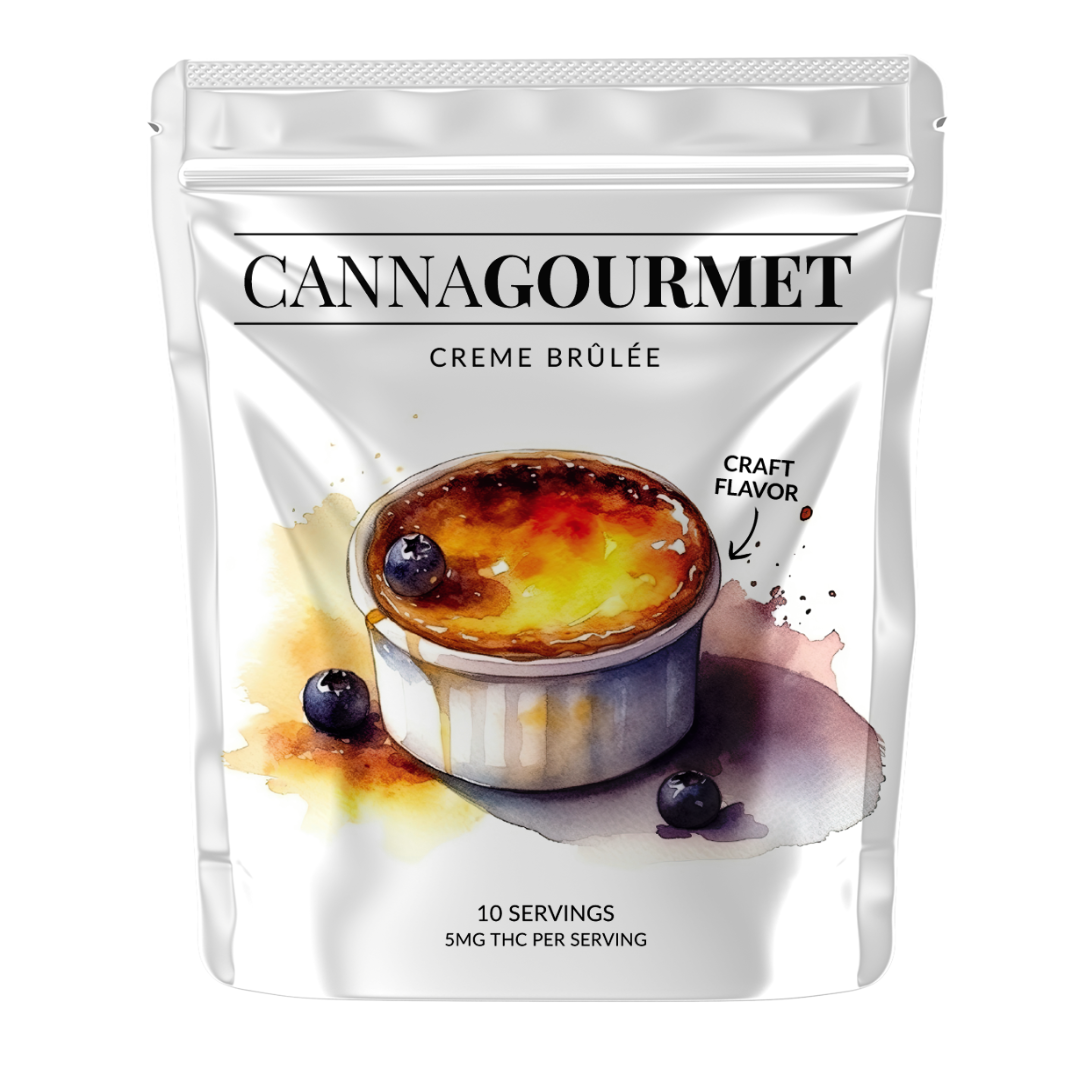

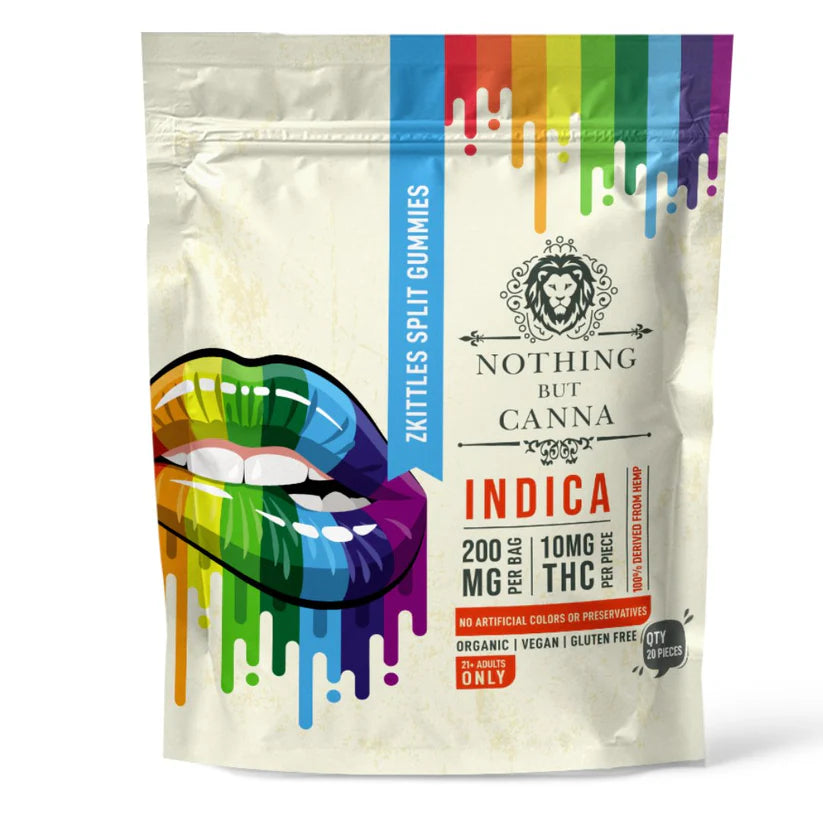









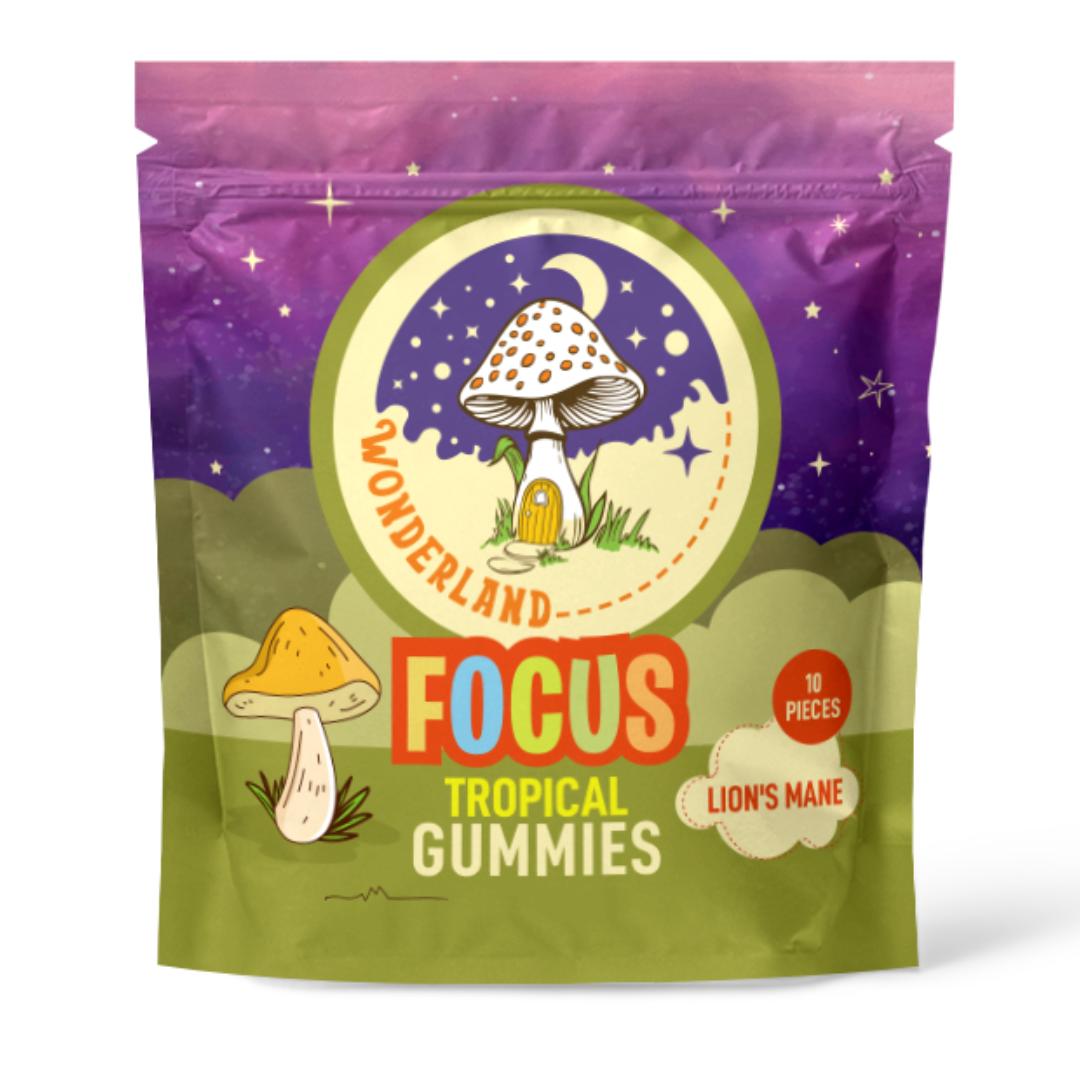

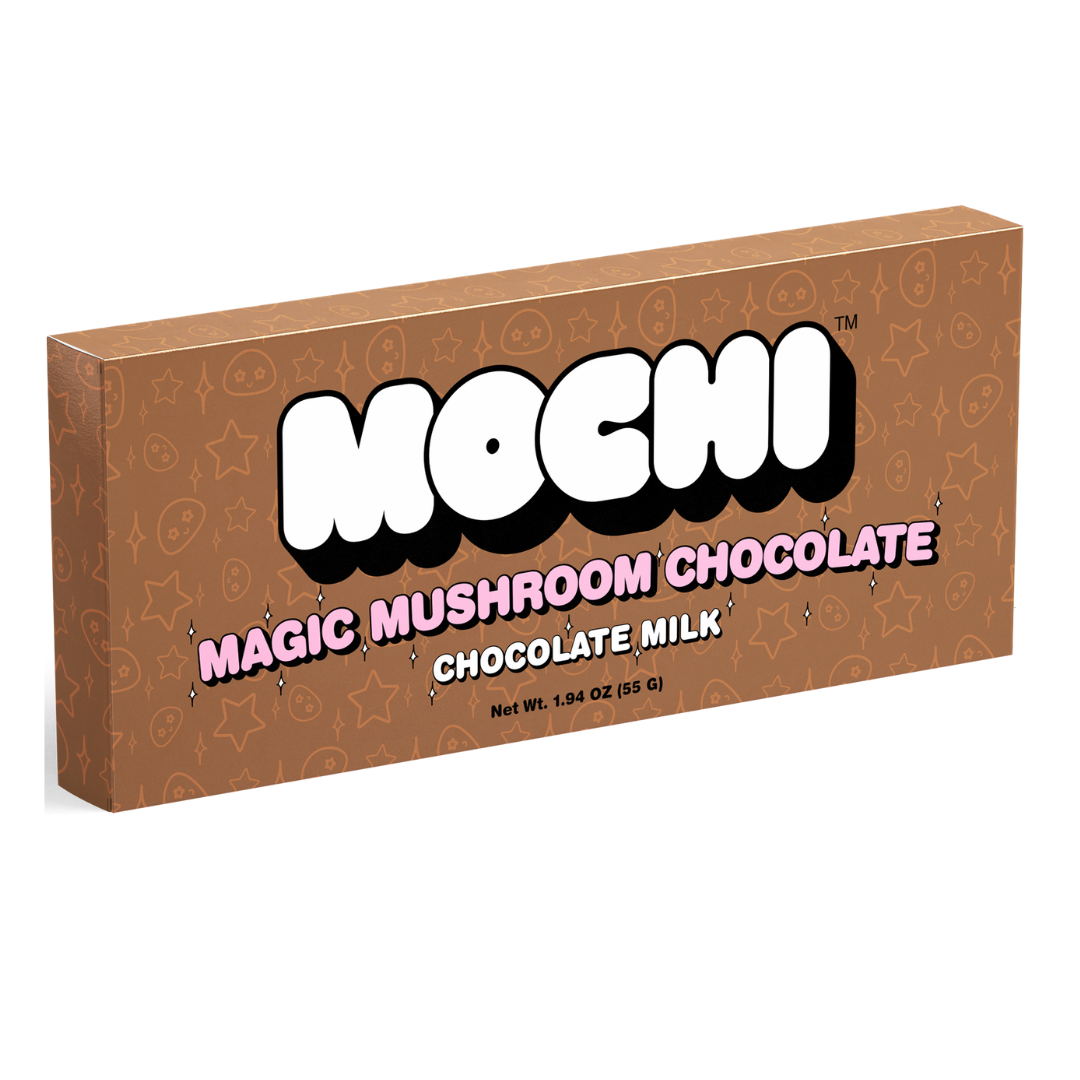









Minnesota’s hemp and cannabis industry is preparing for January 1, a magical date when regulators apparently believe the laws of mathematics, physics, and common sense will all link arms and cooperate.
Because starting January 1, the state requires every hemp and cannabis product to be tested only in Minnesota.
That’s right.
Thousands of products.
Hundreds of brands.
Millions of dollars in inventory.
Two labs.
What could possibly go wrong?
“We Only Have Two Labs, But We Have Faith” — The Minnesota Motto
Let’s break down the logic behind the rule.
Out-of-state labs?
Too convenient.
ISO-certified, DEA-registered, GMP-compliant testing facilities across the country?
Suspiciously competent.
Operators politely asking, “We don’t have enough labs to process anything by January 1,” were met with the bureaucratic equivalent of a shrug.
If irony needed a new capital city, it would be Saint Paul.
January 1: The Regulatory Games Begin
Picture this moment.
Thousands of edible, hemp, and cannabis products lining up like Black Friday shoppers outside two Minnesota labs.
Inside, technicians stare at sample piles taller than Paul Bunyan.
Everyone is exhausted, confused, and overwhelmed.
Meanwhile, the state stands proudly announcing, “This is oversight.”
The OCM Plan: “We’ll Keep a Watchful Eye… Somehow”
The logic for in-state testing is simple on paper: the state wants a watchful eye on every test.
A very watchful eye.
A heroic, omniscient, golden-eye-of-regulation kind of eye.
The kind of eye that can somehow supervise thousands of samples pouring into two labs, even though some staff reportedly struggle to distinguish:
-
THC from THCA
-
Hemp from hempcrete
-
Potency testing from pastry recipes
But don’t worry — the confidence is strong.
And government confidence, historically, has always worked out well.
Meanwhile, in Reality…
Here is a preview of what January 1 will actually deliver:
1. Labs drowning in samples
Imagine drinking from a firehose.
Now imagine testing it for contaminants.
2. Businesses waiting like it’s the DMV
“Now serving… #12.”
You are #4,981.
3. New products dying before they ever launch
Innovation will be taking a long vacation.
4. Retail shelves looking post-apocalyptic
“Waiting on testing results” becomes the new Minnesota state motto.
5. The illicit market thriving
When legal shelves are empty, customers go elsewhere. It’s not complicated.
Did the Industry Ask for an Extension?
Yes. Loudly. Clearly. Repeatedly.
The request was simple:
“Delay the in-state-only requirement until Minnesota has more labs.”
The response carried the same energy as a DMV clerk on a Friday at closing time:
“No.”
Historic.
If Minnesota Wants to Fix This…
There are extremely simple solutions available:
-
Allow hemp products to be tested at accredited labs nationwide
-
Add more labs before enforcing an in-state-only policy
-
Consult actual industry experts about realistic testing capacity
-
Introduce a phased rollout instead of a cliff
This is not complicated.
But here we are.
Is the Industry Ready for an Injunction?
Here is where the satire starts sounding uncomfortably realistic.
Operators, associations, and attorneys are already asking:
“Is it time to file for an injunction?”
The answer is becoming less hypothetical by the day.
When a state rule:
-
Causes measurable economic harm
-
Makes compliance physically impossible
-
Contradicts federal hemp allowances
-
Disrupts commerce
-
And relies on infrastructure that does not exist
Courts tend to step in.
An injunction may end up being the unofficial extension the industry begged for — not granted by the OCM, but enforced by a judge who can count the number of labs and understand that two is not enough.
Final Thought: Minnesota Wanted Oversight. It Created Irony.
As January 1 approaches, Minnesota’s hemp and cannabis industry prepares for a grand experiment in regulatory optimism.
If the state does not adjust course, the only things being truly tested in Minnesota will be:
-
Patience
-
Bank accounts
-
Operational sanity
-
And the limits of bureaucratic imagination
It’s ironic, it’s predictable, and it’s avoidable.
And somehow, it’s still funnier than the parody song.