






A long-form feature on the bill that could rewrite the future of hemp in America
I. The Day the Clouds Shifted Over Hemp Country
On an otherwise ordinary afternoon in Washington, two senators from Oregon quietly triggered a tremor that rolled across the American hemp industry. It didn’t roar or explode; it didn’t even dominate headlines. But for hemp farmers in Kentucky, for extraction labs in Minnesota, for cannabinoid manufacturers in Colorado, and for thousands of retailers from Miami to Missoula, the news spread like a warm front after an early frost.
Senators Ron Wyden and Jeff Merkley had officially reintroduced the Cannabinoid Safety and Regulation Act (CSRA) — a bill that could become the most consequential piece of hemp legislation since the 2018 Farm Bill cracked open the door to a new market.
For an industry that’s spent the better part of two years bracing for extinction, the moment felt like the first deep breath after being submerged underwater.
Across the country, in warehouses, offices, fields, and retail shops, phones buzzed with notifications. Slack channels lit up. Farmers forwarded the link to one another with cautious hope. Manufacturers pinged their compliance teams. Retailers asked the same question: Is this it? Is this the lifeline we’ve been waiting for?
The answer, for now, is complicated. But the significance of the bill is not.
The CSRA could prevent the effective re-criminalization of nearly 99% of hemp cannabinoid products scheduled to take effect November 13, 2026. It could establish a national regulatory framework rooted in science instead of fear, logic instead of politics.
And to understand why the industry is hanging onto this bill like a rope thrown into a storm, you have to see the storm itself.
II. How the Hemp Wave Became a Whirlpool
The U.S. hemp industry didn’t collapse overnight. It wasn’t a sudden implosion. It was a slow tightening of wires, a regulatory vise closing inch by inch.
When the 2018 Farm Bill legalized hemp and its derivatives, lawmakers expected modest expansion: fiber, grain, botanical extracts. What they got instead was a cannabinoid renaissance fueled by innovation, entrepreneurial energy, and a consumer appetite larger than anyone anticipated.
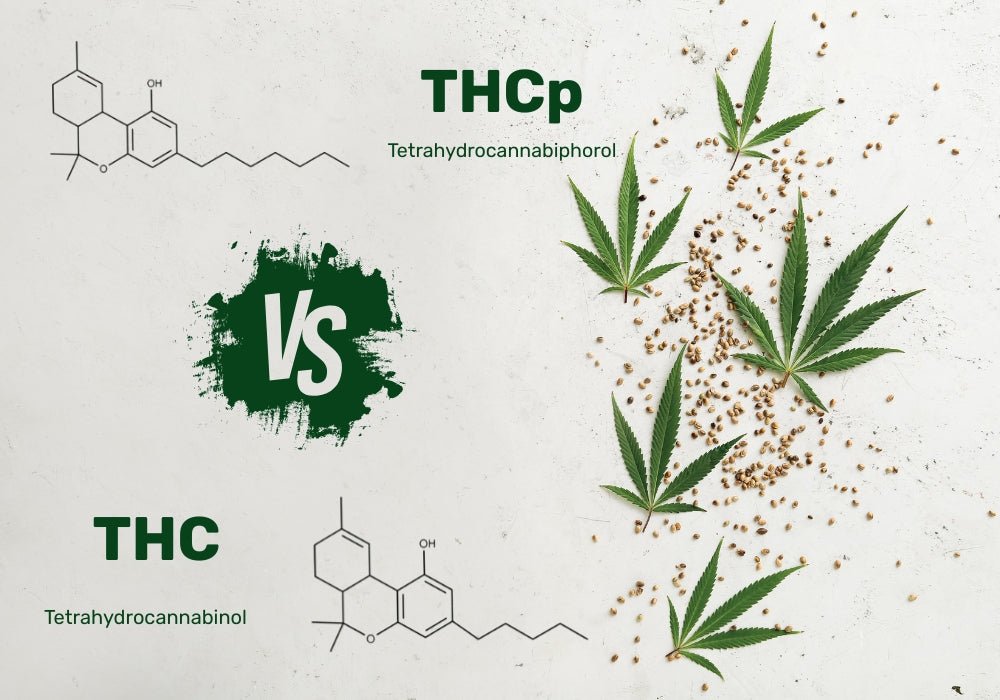
CBD started the wave. Delta-8 THC — cheaper to produce, easier to formulate, and more accessible to consumers — made it a tidal surge. Then came HHC, THCP, THCA flower, and a constellation of minor cannabinoids that both delighted consumers and spooked regulators.
Suddenly, hemp wasn’t just “hemp.” It was:
-
Wellness
-
Relief
-
Recreation
-
Sleep
-
Focus
-
Energy
-
And, controversially, a legal alternative to marijuana
For big companies, small startups, farmers, chemists, and retailers, it became a booming ecosystem. According to industry estimates, hemp-derived cannabinoids surged into a multi-billion-dollar market seemingly overnight.
For the federal government, however, it became a problem.
The Spending Bill That Triggered Panic
Earlier this year, Congress passed a federal spending bill with a buried clause redefining “hemp” in a way that would effectively criminalize most hemp-derived cannabinoid products:
-
All intoxicating cannabinoids
-
All synthetically modified cannabinoids
-
Nearly all THC variants
-
Most extracts, isomers, conversions
The “fix” was Goliath-sized, broad, and blunt — a ban dressed up as a clarification.
And the countdown was set: November 13, 2026.
If nothing changes, that date becomes the industry’s expiration stamp.
“That bill was the legislative equivalent of a meteor,” one Minnesota retailer told me. “We were staring at total destruction with no pathway forward.”
And that’s where the CSRA enters the story.
III. The CSRA: A Blueprint, a Lifeline, and a Long Shot
The Cannabinoid Safety and Regulation Act is not a patchwork bill, nor is it a vague promise. It is a full federal framework for how hemp-derived cannabinoid products should be regulated, manufactured, labeled, tested, marketed, and sold.
Think of it as the first real attempt to codify a national cannabinoid economy, instead of an improvisational one.
Its goals:
-
Establish FDA authority over cannabinoid products
-
Ban dangerous synthetics while allowing natural and semi-synthetic cannabinoids
-
Set clear manufacturing and testing standards
-
Create youth-protection guardrails
-
Establish THC caps by product category
-
Require accurate labeling and warnings
-
Protect state autonomy while establishing minimum federal rules
It is, effectively, the industry’s plea to lawmakers: Regulate us. Don’t erase us.
Let’s walk through its guts.
IV. Inside the Machinery of the CSRA
A. The Definitions That Redraw the Map
The bill begins by defining the word “cannabinoid” more comprehensively than any federal text to date.
A cannabinoid becomes:
-
Any naturally occurring cannabis compound
-
Any isomer, derivative, ester, ether, salt, or acid of such a compound
-
Any substance that activates CB1 or CB2 receptors
-
Any cannabinoid identified in the plant, even in trace amounts
-
Any future cannabinoid the FDA designates
This definition is so broad it effectively puts the entire cannabis phytochemical universe into one legal container. This matters because regulations, safety standards, and enforcement hinge on these definitions.
But it’s the THC definition that really stands out.
B. “THC” Becomes an Umbrella Term
In the CSRA, THC is no longer delta-9, delta-8, delta-10, or THCP.
It becomes ALL OF THEM.
This includes:
-
Hydrogenated forms (HHC)
-
Longer-chain analogs (THCP and cousins)
-
Metabolites
-
Synthetic analogs
-
Any future analog with similar structure
This is the bill’s way of saying:
“If it acts like THC, it gets treated like THC.”
This closes loopholes but preserves legitimate hemp-derived cannabinoid innovation.
C. Synthetic Cannabinoids Are Out — But Semi-Synthetics Are In
This is the dividing line the entire industry has waited for.
There are two categories:
Category 1: Artificial / Fully Synthetic Cannabinoids
-
Produced through multistep chemical synthesis
-
Lab-created cannabinoids not found in the plant
-
Synthetic THC lookalikes
-
“Spice”-style molecules or similar designer compounds
These are banned. Period.
Category 2: Semi-Synthetic Cannabinoids
-
Made through one-step conversion from a naturally occurring cannabinoid
-
Includes:
-
Delta-8 THC from CBD
-
CBN from CBD oxidation
-
Minor cannabinoids occurring in trace plant amounts
-
These remain allowed under regulation.
This is one of the most pivotal aspects of the bill — a line drawn not between hemp and marijuana, but between safe, botanical chemistry and dangerous synthetic drug creation.
D. How the CSRA Regulates Manufacturing
Under the bill, cannabinoid products become subject to FDA inspection and Good Manufacturing Practices (GMPs), including:
-
Clean-room standards
-
Contamination controls
-
Batch-level traceability
-
Stability testing
-
Pesticide, heavy metal, and microbe screening
-
Verified lab results
-
Standardized serving sizes
For many reputable companies, this is not a threat — it is validation of what they already do.
For low-end manufacturers and bathtub chemists, this is an eviction notice.
One Minnesota processor put it plainly:
“This bill rewards good actors. It says, ‘If you’ve been doing this right, you get to survive.’ That’s all we ever wanted.”
E. Labeling Requirements That Reshape Packaging
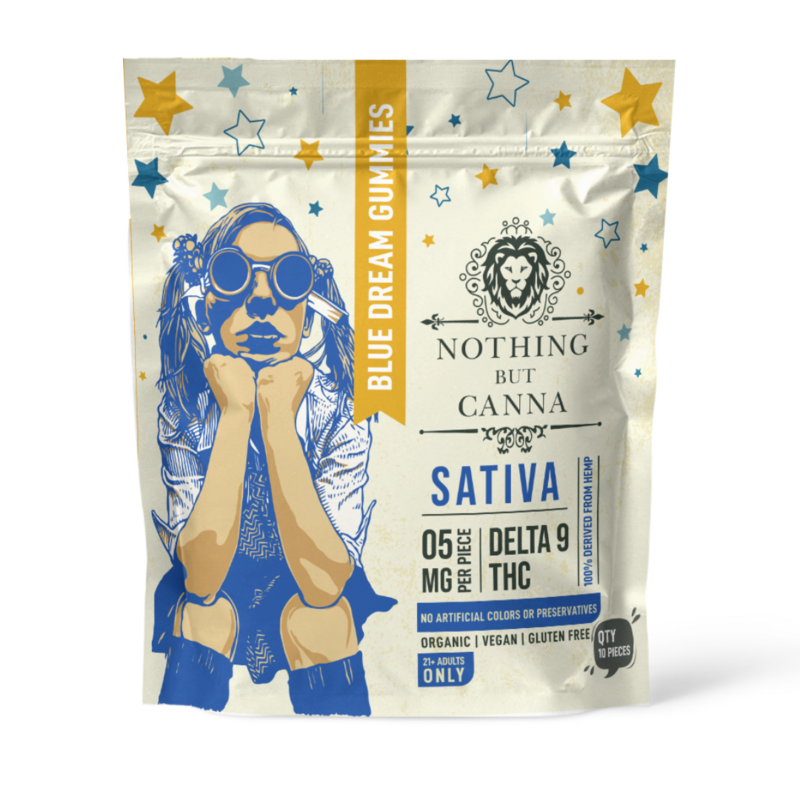
Under the CSRA, every bottle, gummy, tincture, or vape must include:
-
A universal cannabinoid symbol
-
A warning to keep out of the hands of kids and pets
-
A pregnancy and nursing warning
-
Age 21+ sale notice
-
Complete cannabinoid content per serving
-
THC content per serving
-
Manufacturer contact information
-
Directions for use
-
Statements of risk
-
Access to lab testing results
Many states already require versions of these rules. The CSRA standardizes them nationwide — something retailers have begged for.
F. THC Caps: A National Baseline with State Flexibility
Inside the Cannabinoid Safety and Regulation Act sits one of its most defining features: a national potency standard for intoxicating hemp-derived cannabinoid products.
Under the CSRA, every intoxicating hemp product must follow the same limits:
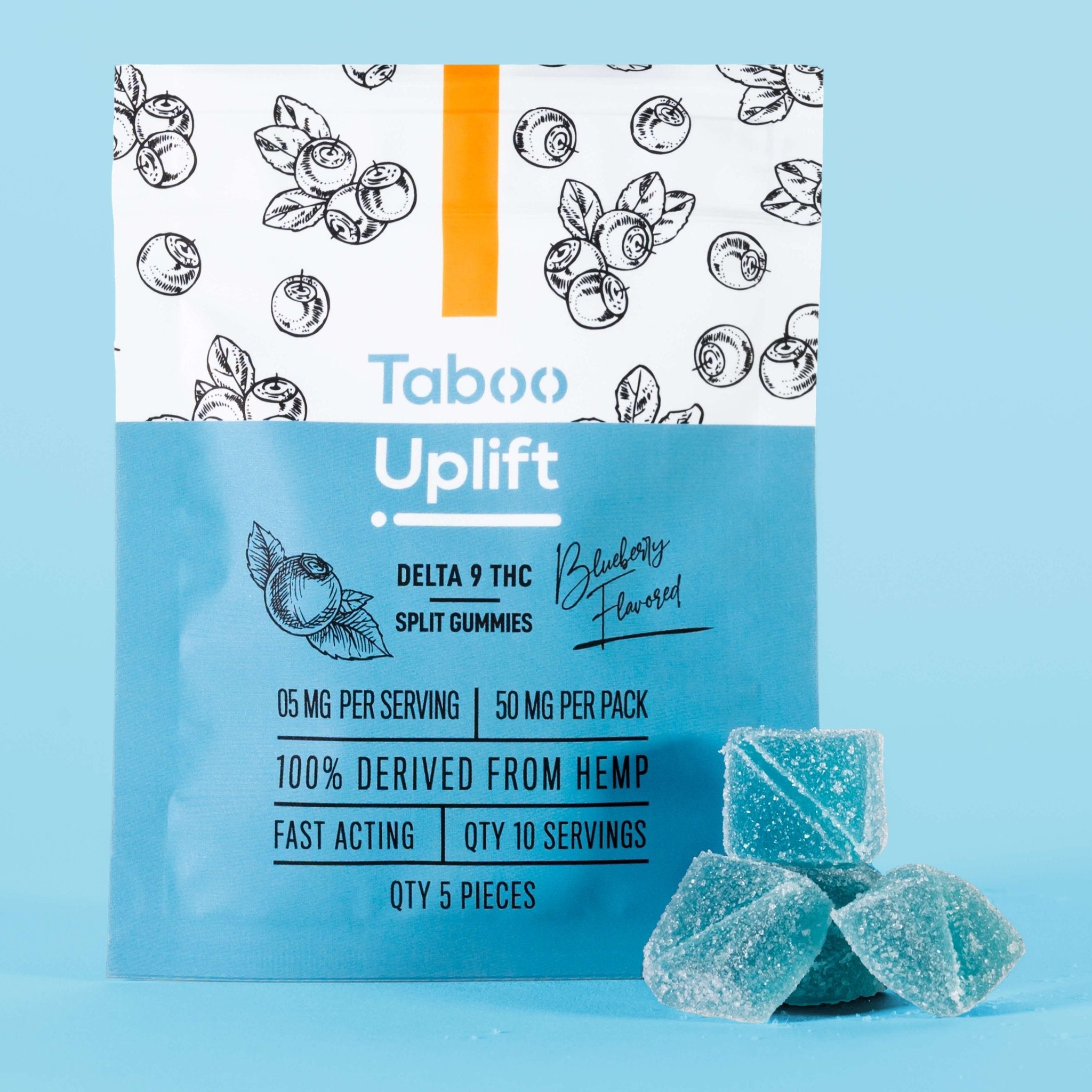
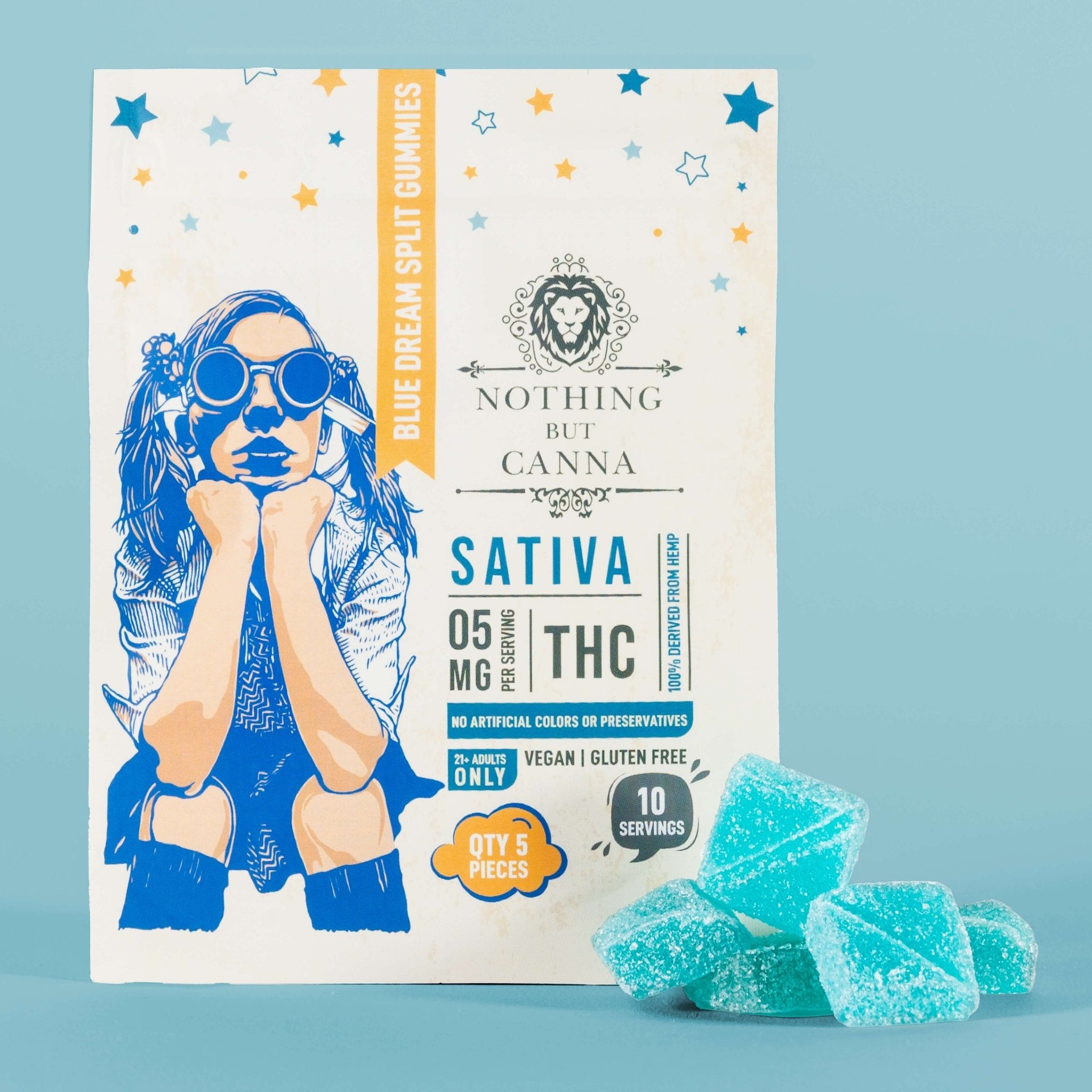
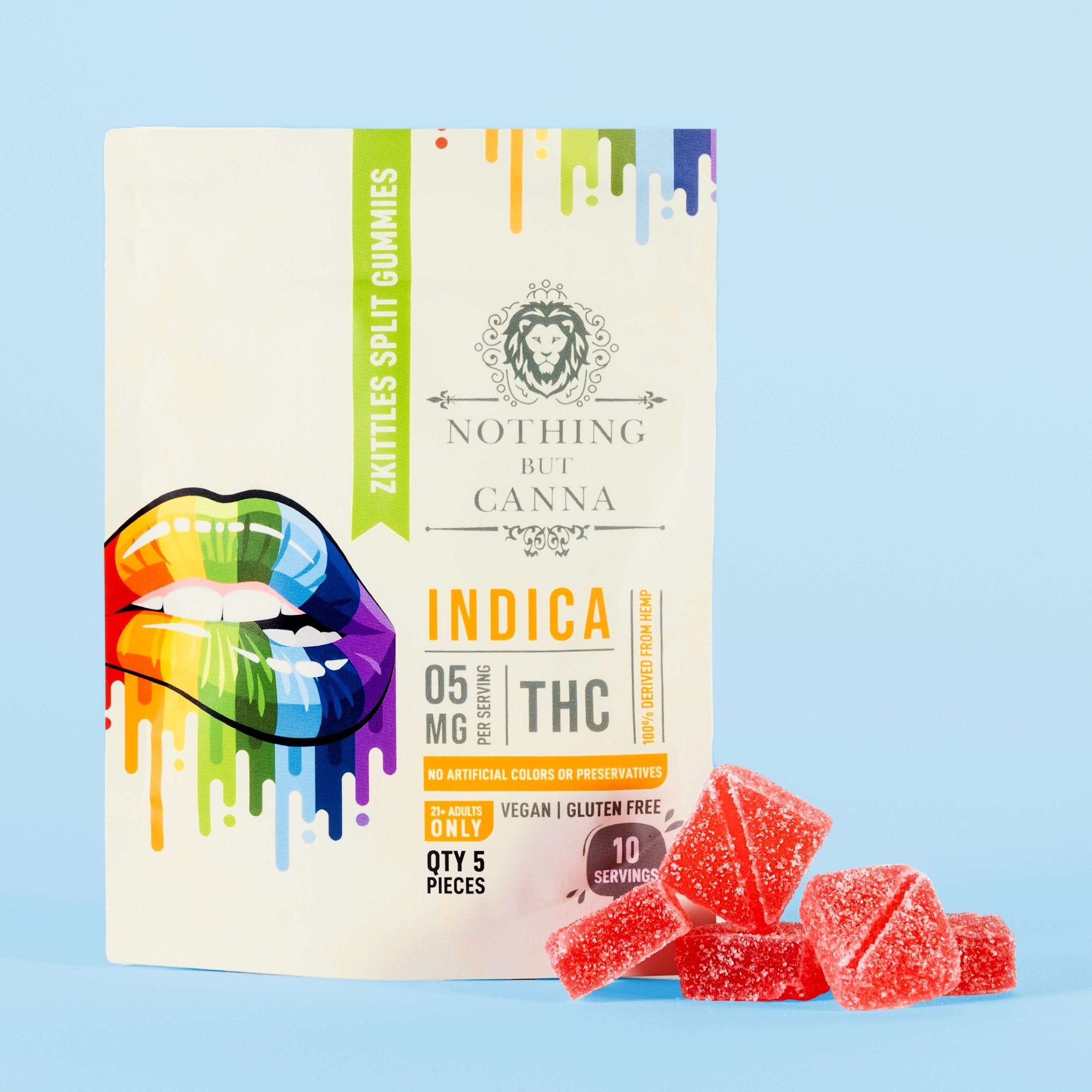
• 5 milligrams of total THC per serving
• 50 milligrams of total THC per package
• Applies to all formats (edibles, tinctures, beverages, vapes, smokables, and topicals)
This marks the first time Congress has proposed uniform potency caps for hemp-derived cannabinoids, creating a federal baseline the industry has never had.
What “total THC” means under the CSRA
The bill uses a broad definition of THC-related compounds that count toward the 5 mg limit. “Total THC” includes:
-
Delta-9 THC
-
Delta-8 THC
-
Delta-10 THC
-
Hydrogenated forms such as HHC
-
THCA converted via standard conversion factor
-
Isomers and derivatives that occur naturally or semi-synthetically from hemp
But importantly:
❌ THCP is NOT legal under the CSRA
THCP is considered a synthetically derived intoxicating cannabinoid, and the bill explicitly bans all fully synthetic or artificially derived cannabinoids from hemp consumer products.
If it does not occur naturally in hemp in more than trace amounts and requires multi-step chemical synthesis, it is prohibited.
So the accurate, legal definition under the CSRA is:
✔️ Allowed: Naturally occurring and semi-synthetic cannabinoids (like delta-8 or CBN from CBD through a single-step conversion)
❌ Not allowed: Fully synthetic or artificially derived cannabinoids, including THCP, THC-O, HHC-O, and similar lab-invented compounds
Why 5 mg / 50 mg matters
The CSRA’s potency limits align with:
-
Minnesota’s hemp edible rules
-
Canada’s national cannabis standards
-
International microdose research
-
Consumer safety expectations for low-dose THC
It reflects Congress’s attempt to create consistency and predictability without destroying the hemp cannabinoid category.
How the limits apply across product types
The CSRA applies the same potency framework to every intoxicating product:
-
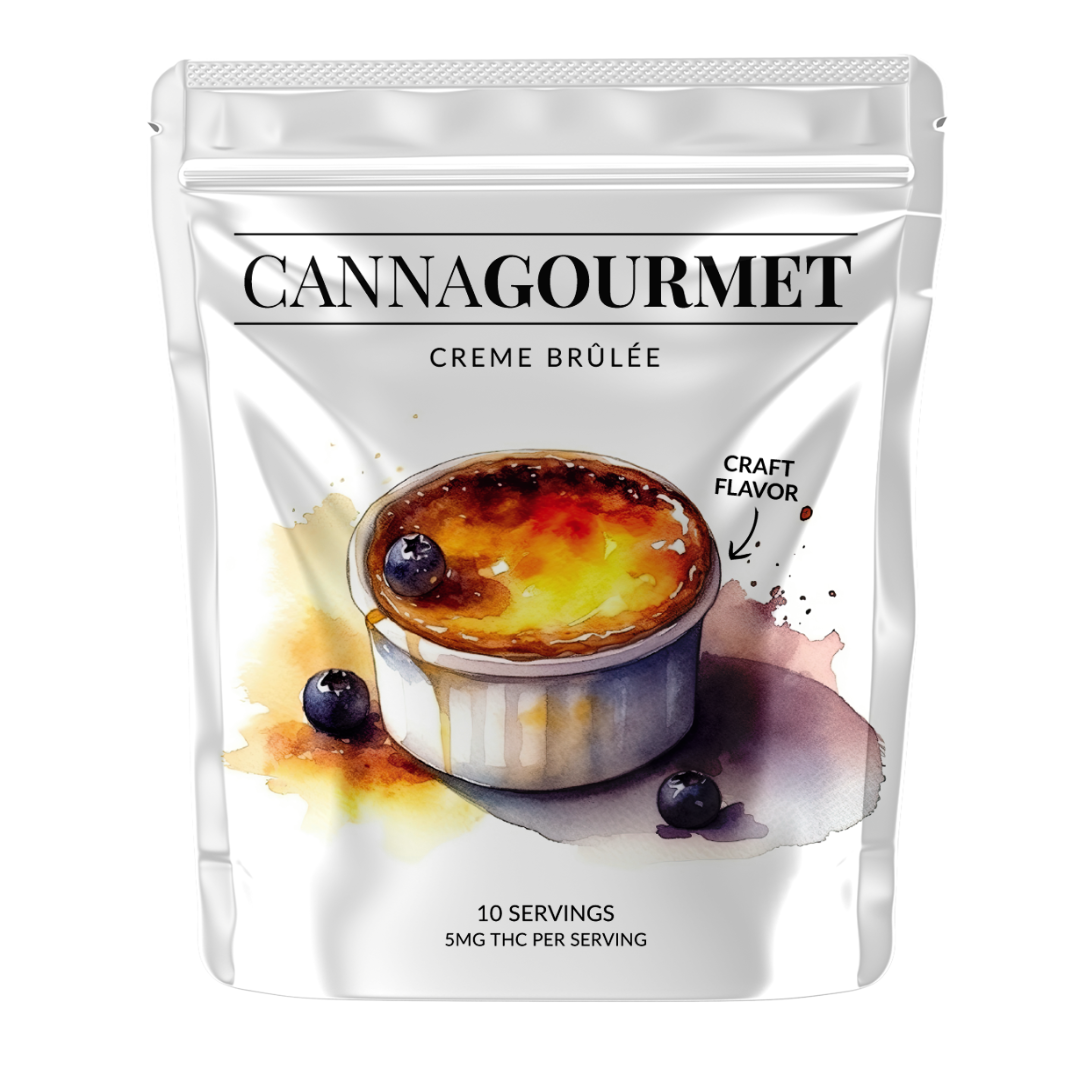
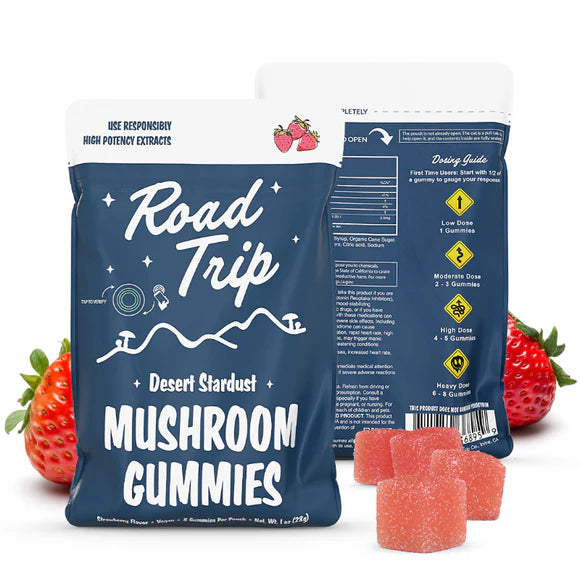
Edibles: 5 mg per serving, 50 mg per package
-
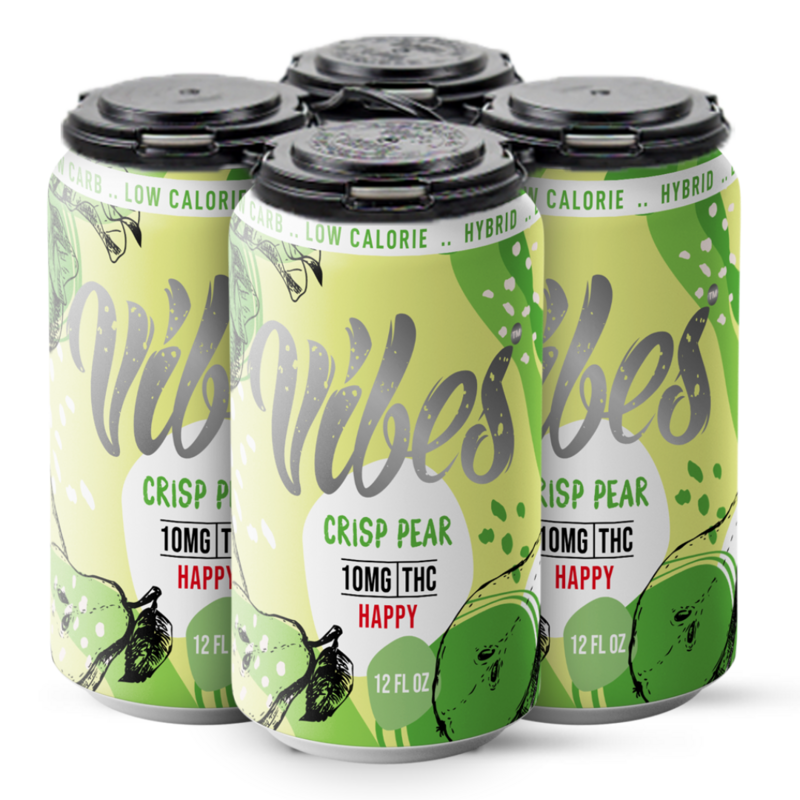
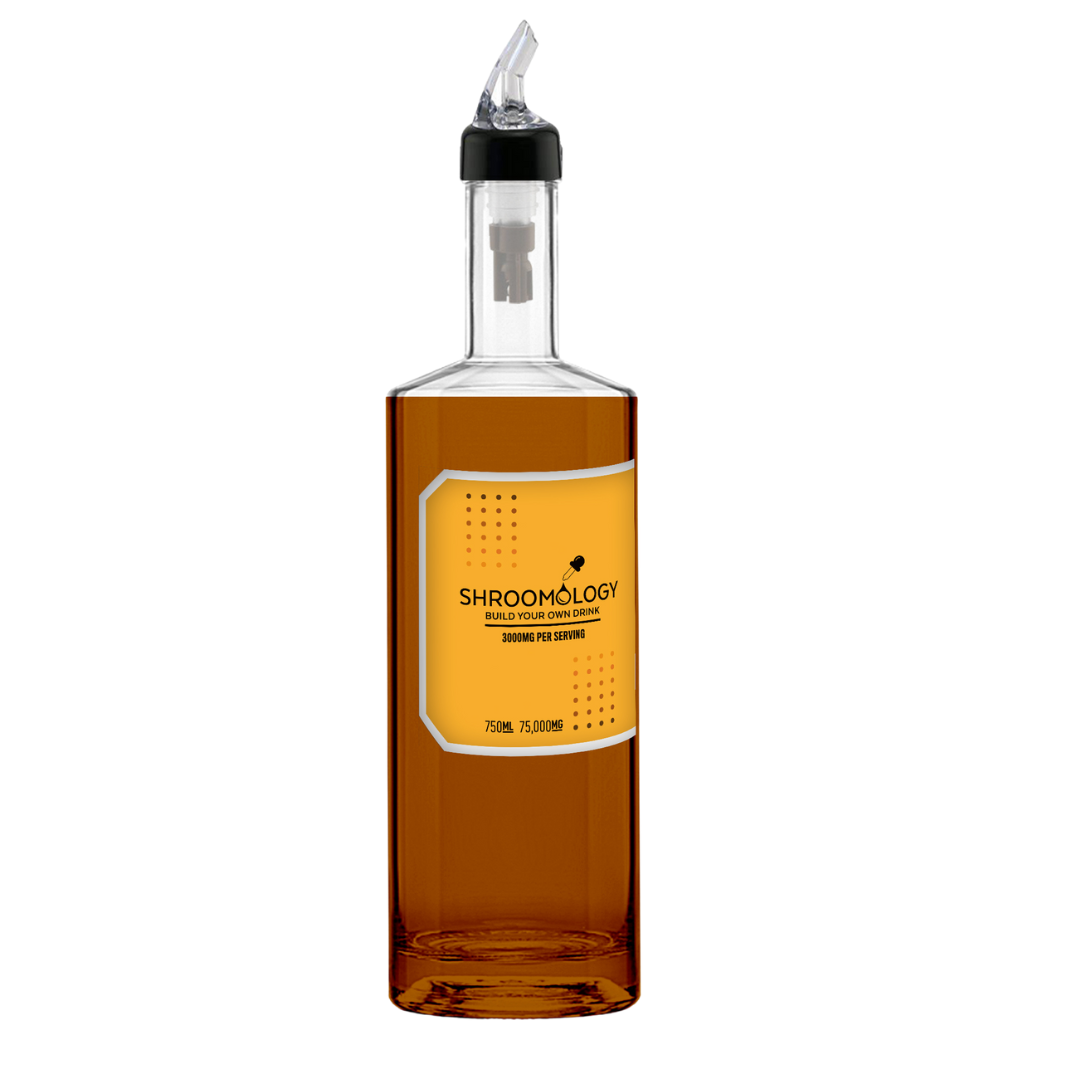
Beverages: Same
-
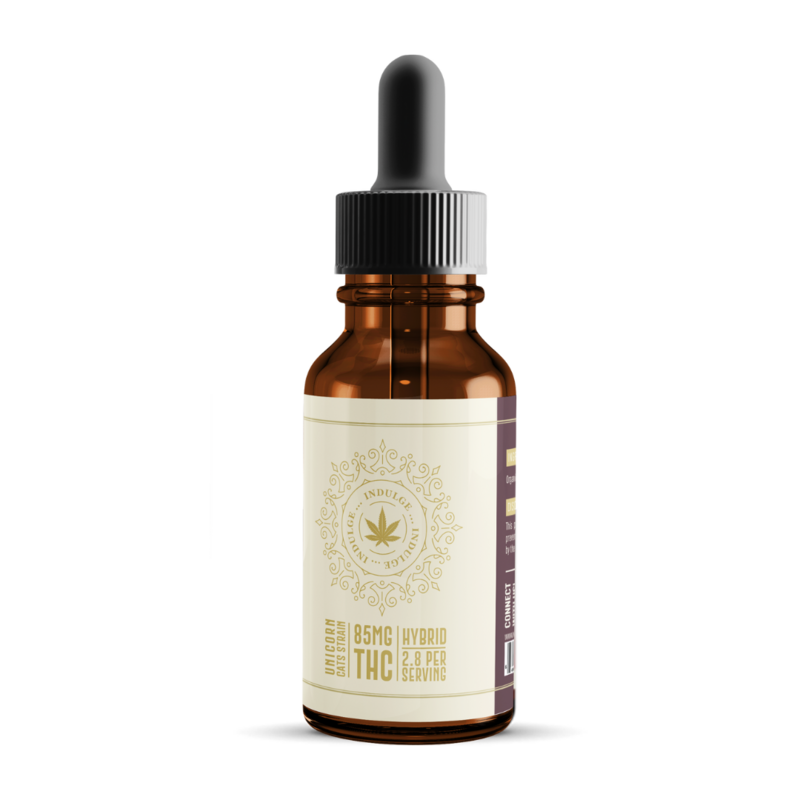
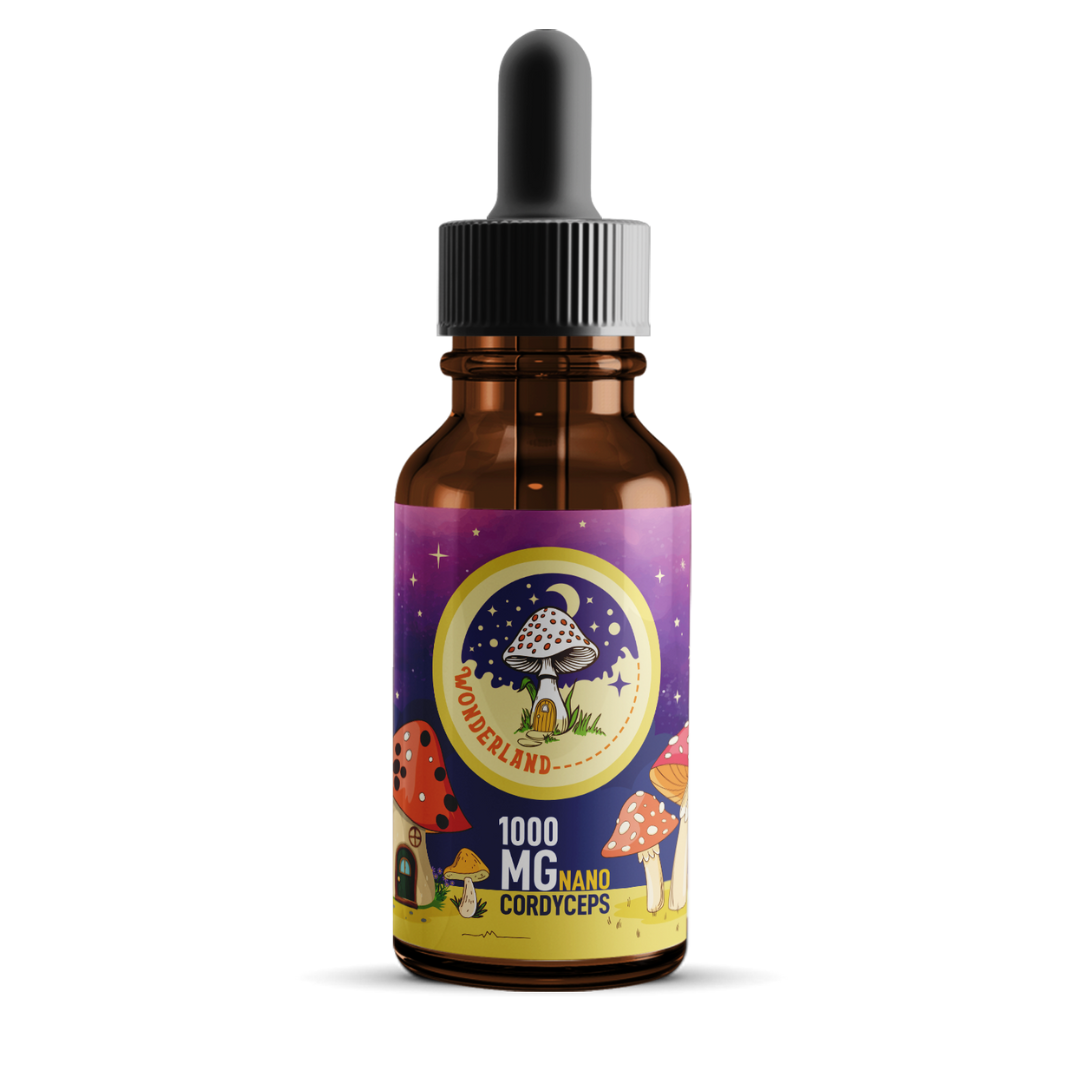
Tinctures: 5 mg per measured dose, 50 mg per bottle
-
Vapes / cartridges: 5 mg per “serving,” capped at 50 mg per device
-
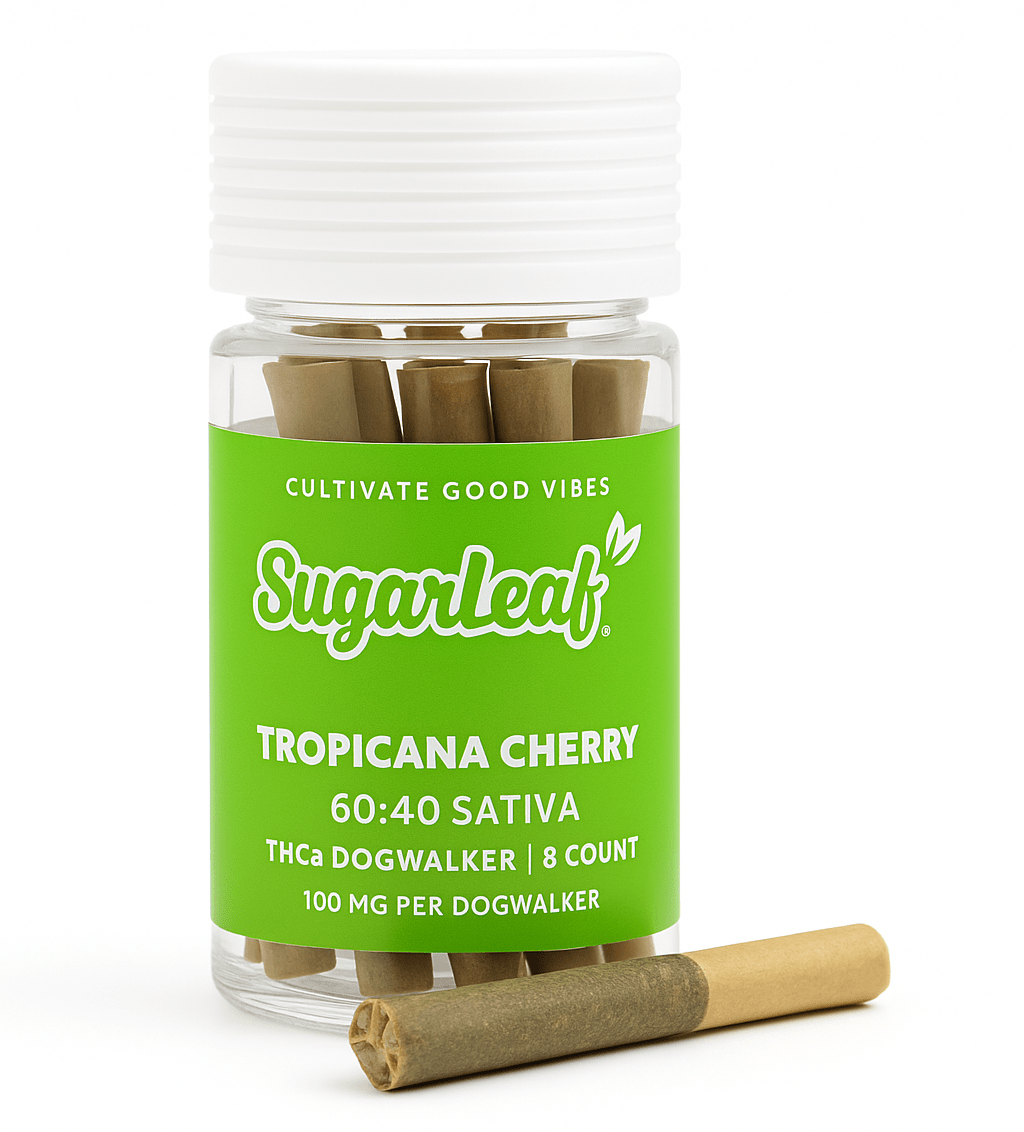
Smokable hemp: Serving-size definition enforced federally
-
Topicals: 50 mg THC per container unless FDA sets different rules
This closes loopholes and creates a single nationwide rule.
What about states like Minnesota?
Minnesota already operates at 5 mg per serving / 50 mg per package for hemp edibles.
The CSRA:
✔️ Mirrors Minnesota for potency
✔️ But extends the limit to all product categories
✔️ And allows states to be stricter if they want
States may not exceed the federal ceiling unless they choose lower limits.
G. Youth Protection, Public Health, and Impaired Driving Research
The bill funds:
-
Youth prevention programs
-
National data collection on cannabinoid use
-
Public health tracking
-
Cannabis-impaired driving studies
-
Technology research for roadside impairment detection
This is how Congress creates political cover for legalization:
show the bill is pro-health, not anti-industry.
V. The People Fighting for It — and the People Fighting Against It
No bill lives in a vacuum. And the CSRA, for all its precision, enters a battlefield with old rivalries and new tensions.
Supporters Include:
-
Hemp farmers
-
Extractors and formulators
-
Retailers
-
U.S. Hemp Roundtable
-
Independent researchers
-
State hemp associations
-
Manufacturers with GMP investments
Their argument is clear:
“Regulate us fairly. Don’t burn the crop to stop the fire.”
Opponents Include:
-
Some marijuana-industry lobbying arms
-
Anti-cannabis national organizations
-
States that prefer strict bans
-
Certain federal agencies uncomfortable with cannabinoid innovation
Their argument:
“Anything intoxicating should be regulated like marijuana or banned outright.”
This tension is the tectonic reality beneath the CSRA:
Whether hemp has the right to exist independently of marijuana.
VI. Voices from the Ground: Farmers, Manufacturers, and Retailers Speak
The Farmer
In Kentucky, one farmer described the bill as “the first serious recognition that our crop is legitimate.” He’d already rotated hemp fields out twice because of market collapse fears.
“I don’t want handouts,” he told me. “I just want rules that make sense.”
The Manufacturer
In Minnesota, a processor who invested millions into compliant extraction equipment said:
“This bill doesn’t just save my business. It finally rewards the companies doing the hard, expensive, correct work.”
The Retailer
A shop owner in Florida described a different fear:
“I have employees, rent, inventory, insurance. If the federal ban hits, I lose everything in a single day. This bill gives us a fighting chance.”
This sentiment — fear blended with fragile hope — threads through the entire industry.
VII. Why the CSRA Is Not Just a Bill — It’s a Turning Point
No matter how Congress votes, the CSRA has already changed the game.
A. It acknowledges the reality of the hemp cannabinoid market
Congress now recognizes the consumer market for intoxicating and non-intoxicating hemp cannabinoids is real, massive, and here to stay.
B. It rejects prohibition as the default response
The bill affirms a principle the industry has screamed for years:
Regulation, not eradication.
C. It offers a path forward for small businesses
Unlike sweeping bans, the CSRA is a scalpel, not a sledgehammer.
D. It reframes the national conversation around safety, not stigma
The bill’s very name centers safety — a strategic and political necessity.
VIII. The Road Ahead: Hope, Uncertainty, and a Narrow Window
With the bill introduced, the real work begins:
-
Committee hearings
-
Lobbying pressure
-
Negotiations
-
Bipartisan persuasion
-
Possible amendments
-
Floor votes
And the clock continues to tick toward November 13, 2026.
Jonathan Miller of the U.S. Hemp Roundtable captured this tension succinctly:
“Introduction of the CSRA is a key first step… We are hopeful that Congress will extend the ban moratorium for at least another year to provide adequate time to consider, improve upon, and resolve efforts such as Wyden/Merkley.”
In plain language:
This bill matters. But time is short.
IX. What Happens If It Passes — and What Happens If It Doesn’t
IF IT PASSES
-
Hemp becomes a federally regulated product category
-
Retailers stay open
-
Farmers keep planting
-
Manufacturers stabilize
-
Consumers get safer, tested products
-
FDA gains clear authority
-
States gain a protective federal floor
-
The grey market transitions into a legitimate marketplace
IF IT FAILS
-
The 2026 ban takes effect
-
80–90% of hemp businesses close
-
THCA flower is wiped out
-
Delta-8 and minor cannabinoids disappear
-
Farmers lose their primary buyers
-
Consumers shift to illicit channels
-
Thousands of jobs vanish
This is not hyperbole — it is math.
X. The Final Word: Why This Moment Matters
The Cannabinoid Safety and Regulation Act is not perfect.
No legislation is.
But for the hemp industry, it represents something more powerful than policy—it represents recognition.
Recognition that hemp farmers matter.
Recognition that cannabinoid chemistry is not a crime.
Recognition that consumers deserve safe products, not bans.
Recognition that prohibition is a relic, not a roadmap.
Recognition that the hemp industry has earned a seat at the national regulatory table.
From rural counties to urban retailers, from extraction labs to research universities, the industry now faces a defining chapter.
The CSRA doesn’t guarantee survival.
But it finally makes survival possible.
And in an industry used to weathering storms, even a small patch of clear sky can feel like the return of the sun.
Disclaimer:
This analysis is provided for educational purposes and general industry insight. It is not legal advice, and businesses should consult appropriate counsel to understand how federal or state regulations apply to their specific operations.