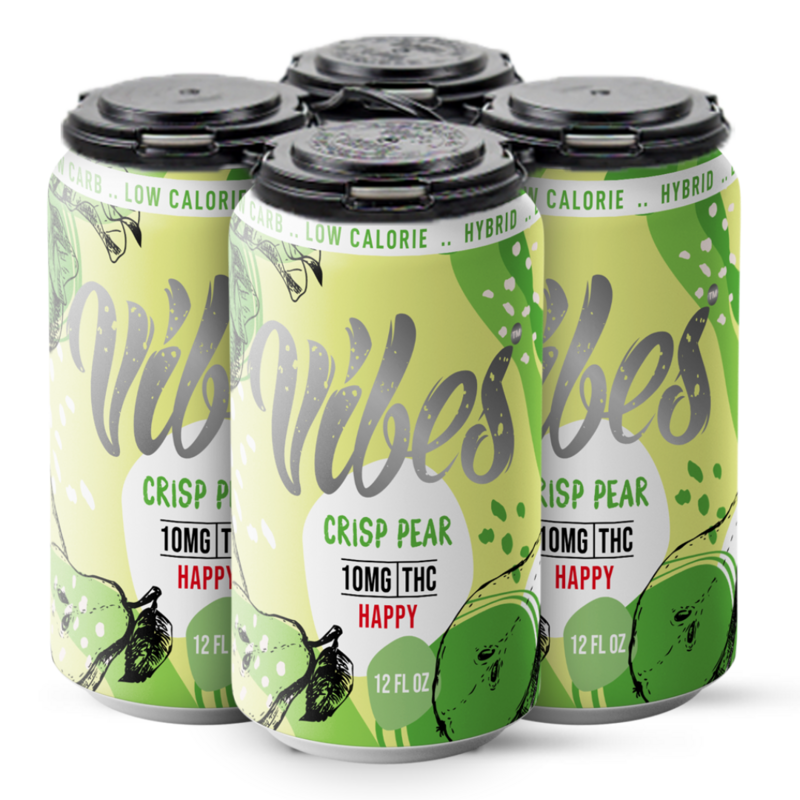
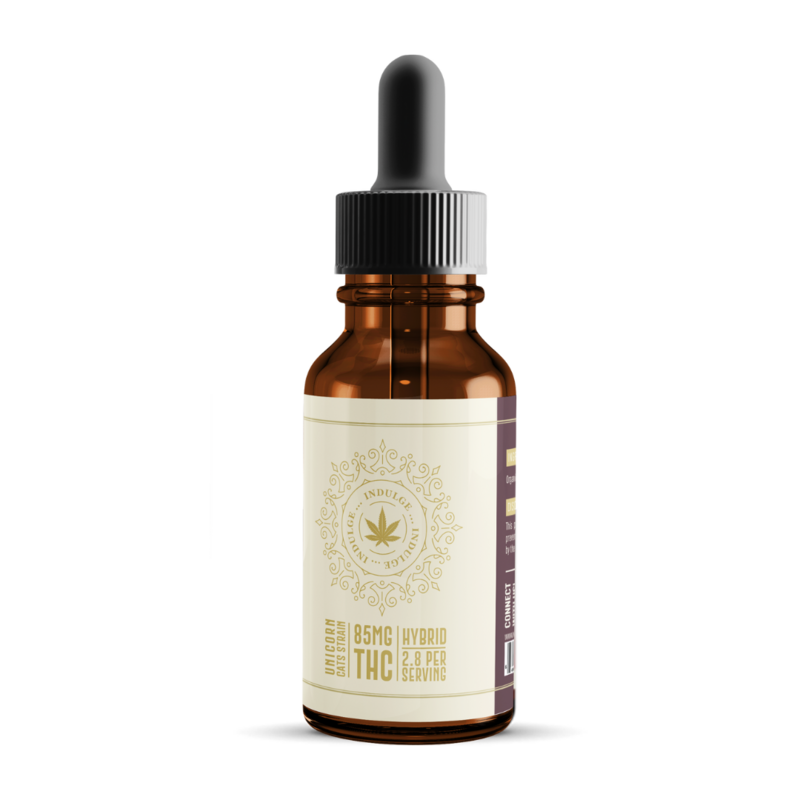
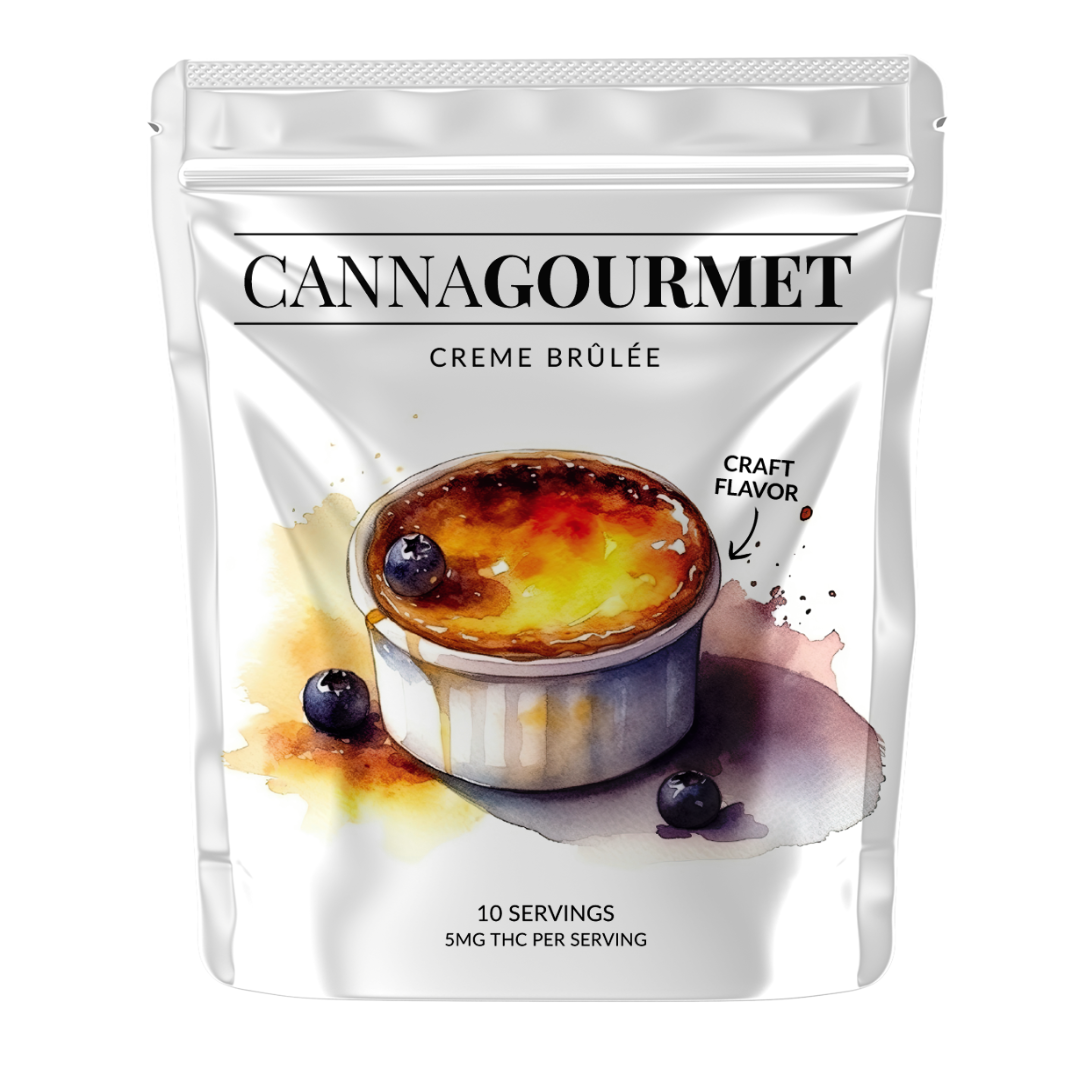
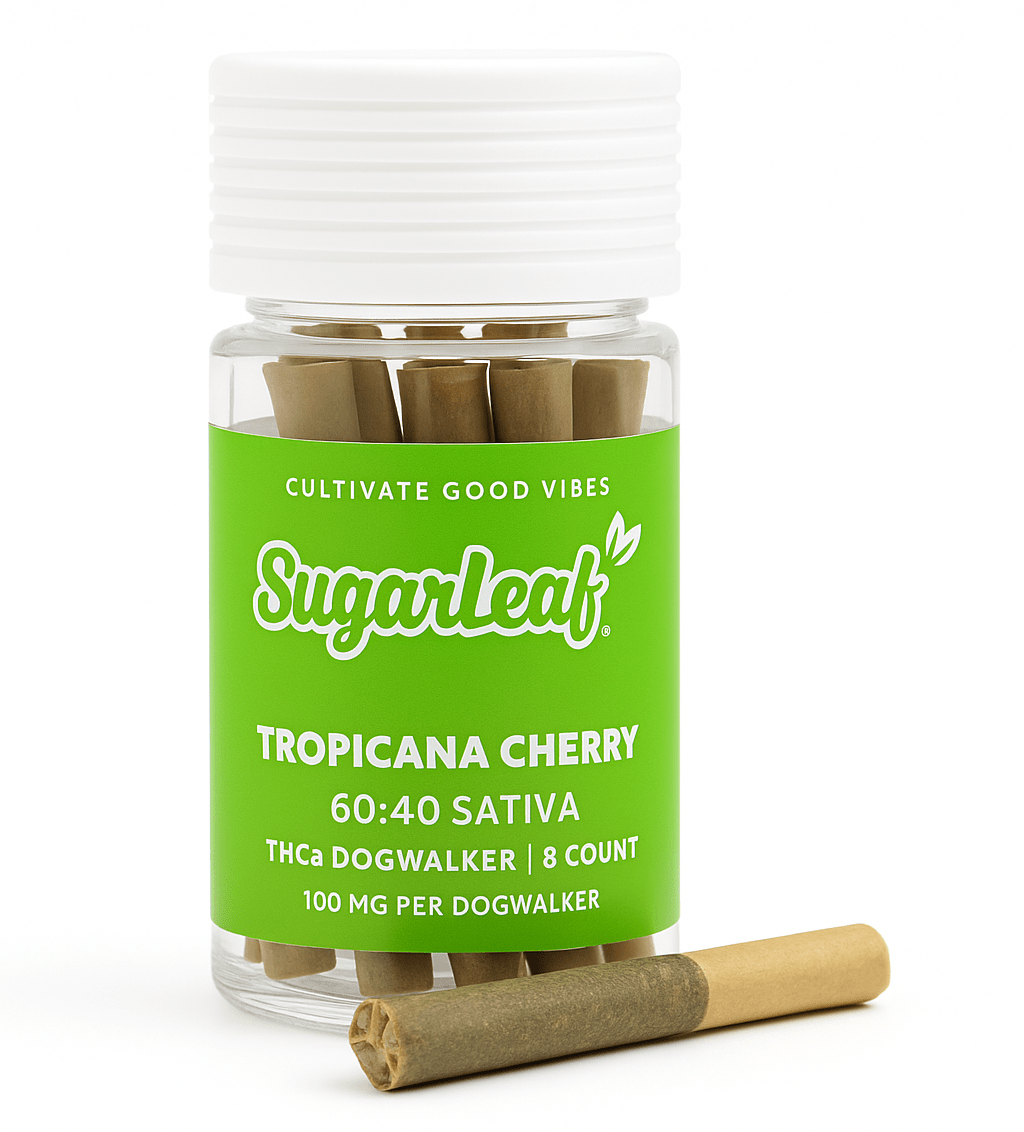






In nearly a year, a ban on hemp-derived THC (and its derivatives) is about to take place not just in Minnesota, but in other states, too. As stricter regulations roll in within the hemp market , more and more shoppers are getting hypervigilant about what to buy-or not to buy. Take THC and its close analog, the THCP. Products infused with both THC and THCP are storming shelves right now, and with that comes a lot of confusion about which is which. So, in this guide, we dive deep and learn how THCP compares to THC in terms of what each one feels like, how strong they are, and how their highs compare.
What Is THCP?
Tetrahydrocannabiphorol (THCP) is a novel phytocannabinoid from the cannabis plants that was discovered late in 2019. They’re found in retail products lately. However, while THCP is a naturally occurring cannabinoid, most commercial sources are not natural extracts but rather synthetically produced from CBD.
How Was THCP Discovered?
In 2019, Italian researchers first isolated and identified the cannabinoid by analyzing the FM2 medical cannabis variety using advanced mass spectrometry and metabolomic profiling. Before this, the trace levels of THCP and its subtle differences from THC had escaped conventional detection methods. The team found that THCP binds much more strongly to the CB1 receptor. This shows that cannabinoids become more potent with longer alkyl side chains.
Is THCP Found in Cannabis Naturally?
Yes. Unlike THC or CBD, THCP is only found in trace amounts. THCP occurs naturally and is less than 0.1% of cannabis dry weight. Unlike THC or CBD, they are only found in trace amounts. Most of the THCP-infused products are THCP synthesized from CBD.
How THCP Interacts with CB1 and CB2 Receptors
THCP has a seven-carbon alkyl side chain that allows for interaction with the CB1 receptors of the endocannabinoid system. In fact, it’s believed to exhibit heightened potency, as it is 33.3 times more potent than THC. Its longer alkyl side chain, compared to THC's five-carbon chain, enables it to fit snugly into the CB1 receptor's hydrophobic binding channel. Meaning, they’re far more powerful molecular interactions than THC has.
What Is THC?
Tetrahydrocannabinol, or widely known as THC, is the dominant phytocannabinoid-not just in the cannabis plant itself, but in the legal cannabis market. Its popularity stems from its psychoactivity and potential benefits, as extensively researched.
What Are the Different Forms of THC?
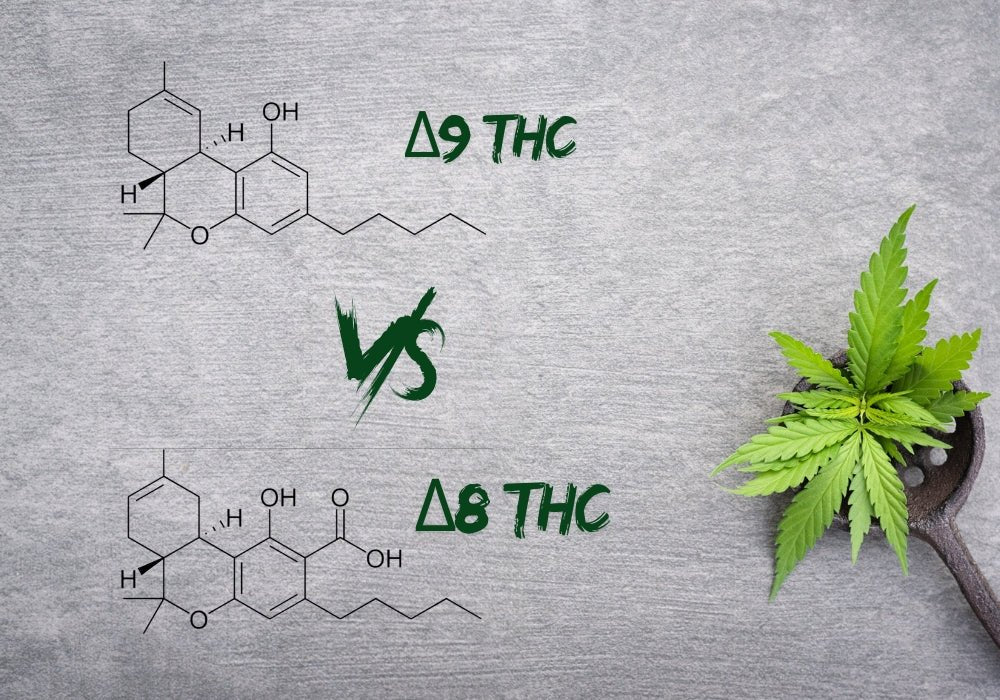
While delta-9 is the widely known “THC”, there are other isomeric forms of THC and cannabis compounds that you must know. They all share the same molecules, but the arrangement of atoms differs. Here are what most consumers ask about:
| Delta-8 THC | Delta-9 THC | THCP | Delta-10 THC | |
| Double Bond Location | C8–C9 | C9–C10 | C9–C10 (7-carbon chain) | C10–C11 |
| Natural Cannabis % | Less than 0.1% | Up to 30% | Less than 0.1% | Less than 0.1% |
| Potency (Delta-9 as Baseline) | 50–70% of x | x | 33.3× | 30–50% of x |
| Most Likely Product Source | Synthesized from CBD | Natural | Synthesized from CBD | Synthesized from CBD |
| Market Reception | Emerging legal gray area | Widely known and accepted | Very new | Early stage |
Delta 9 THC vs THCP: Core Similarities

Different names, but very similar in terms of fundamental structure and mode of effect. THCP and THC are alike in the following ways:
- Presence in all strains: THCP and THC are found in sativa, indica, and hybrid types.
- Molecular backbone: Both have with tricyclic structure with a benzopyran ring system.
- Affinity with CB1 and CB2 Receptors: both function as agonists, which explains their shared psychoactive properties.
Despite all these similarities, cannabis research indicates that differences between THCP vs THC exist. Notably, some reasons lead to THCP’s significantly higher potency, adverse effects, or THC’s natural abundance.
Why THC Is Still the Most Popular Cannabinoid
Even with the sprout of scientifically-backed stronger compounds like THCP or milder alternatives like Delta-8, Delta-9 THC remains the crème de la crème of the legal market. The undisputed position is likely because of the following:
- THC’s well-rooted century-old cultural and traditional presence
- It’s natural for cannabis to produce high amounts of THC; no stress for chemical synthesis
- It’s too abundant that THC products benefit from competitive pricing.
With that said, THC is popular right now and will continue to be so. Based on a DiMarket Report, the retail THC niche is about to reach $30 billion cap by 2033.
THCP vs THC: Key Differences
Psychoactive Potency Compared
THCP has 33 times greater receptor affinity than THC according to lab studies. And it seems like the numbers translated well in consumer reports and anecdotal evidence. Since there are still no clinical trials measuring THCP’s potency, the below user-focused, psychoactive experience may be more nuanced and subjective.
- Users say that THCP felt 3-5 times more intense than THC
- In another article, the effects were described as “profound”, “full-body”, and “deep”.
- A typical Delta-9 THC produces effects for 2-4 hours while THCP extends to 6-8 hours.
Molecular Structure and Binding Affinity
THCP and THC share the same C₂₁H₃₀O₂ molecular formula. However, the difference: delta-9 THC has a side chain with 5 carbon atoms, while THCP has a longer side chain with 7 carbon atoms. A 2022 study indicates that the binding affinity gradually gets stronger as the alkyl side chain lengthens from 3 to 7 carbons. The longer chain in THCP makes it more adaptable, helping it to connect more effectively with the deeper parts of the CB1 receptor's binding site.
How THCP and THC Affect the Endocannabinoid System
THCP and THC can easily connect with receptors and bring messages to specific receptors in the endocannabinoid system (ECS). With such potential, these two powerhouses affect different parts of your brain and nervous system:
- Sensory perception in your cortex
- Happy/reward hormones (i.e., dopamine) in the midbrain area
- Enhance memory cognition in the hippocampus
- Help with movement in the cerebellum
THCP vs THC Effects
Does THCP Get You Higher Than THC?
Yes-if not higher than THC, probably equal effects. THCP is a full agonist with very high CB1 affinity. However, when consuming a non-infused flower, note that the effects from THCP won’t likely be as significant. THCP appears only in tens of micrograms per gram of flower in natural chemovars. Smoking flower alone is unlikely to deliver THCP doses comparable to THC. THCP gummies or vapes, on the other hand, will be different-they contain synthesized THCPs that are far more potent. For new users, expect them to be intense.
THCP vs THC effects for Sleep, Stress, and Pain
Sleep
- Low to moderate doses of THC can shorten sleep latency (the time it takes for you to fall asleep) and increase slow-wave sleep (SWS), the deepest sleep phase. Steer clear of sleep aids with a lot of THC because they might be habit-forming.
- THCP affects the same receptors as THC (CB1/CB2). Low doses in a study caused mice to exhibit reduced movement and lower body temperature, demonstrating sedation effects.
Anxiety
- THC in very low amounts may help with moments of feeling anxiety. However, more studies support how it increases it, due to its dopamine/glutamate affinity.
- No studies prove THCP has effects on stress and anxiety.
Pain
- THC’s ECS influence points to its significant potential for alleviating neuropathic pain and MS as a pain and spasticity reducer.
- For THCP, only theoretical assumptions can be deduced (from its stronger CB1 and CB2 affinity) for its potential analgesic effects. No peer-reviewed human trials.
Duration of Effects: Which Lasts Longer?
THCP lasts longer - whether it’s vaping, ingesting edibles, or doing sublingual administration. With that said, every session with THCP must be planned well to avoid risks. Here’s a table of the timeline difference between THC and THCP.
| THC | THCP | |||
| Consumption Method | Vaping / Smoking | Ingesting | Vaping / Smoking | Ingesting |
| Onset | 0–10 minutes | 30–120 minutes | 15 minutes | 30–120 minutes |
| Peak | 10–30 minutes | 45–180 minutes | 1–2 hours | 2–4 hours |
| Total Duration | 2–4 hours | 4–8 hours | 6–8 hours | 12–24 hours |
User Reports: What Do People Say About THCP?
Some THC users have said nice things about THCP precisely because it can go beyond what THC gives. According to them, THCP introduces a change of rhythm from the high THC concentrates. At low doses, the therapeutic potential leads to a deep, serene sense of calm that comes from THCP vs THC. When targeting some common issues, like lack of sleep or extreme tiredness, THCP seems to be comparable enough to THC.
However, a word of advice from some: THCP is not for beginners. Even those who believe are used to THC can feel overwhelmed with THCP the first time.
Safety and Side Effects
Is THCP Too Strong for First-Time Users?
Yes. Even at low doses, THCP’s psychoactive effects might still be risky for the newbies. It produces the classic “tetrad” of THC-like effects—but way stronger. In one 2025 case report, a cannabis user noted a bad THCP experience, which led to a serious mental health disorder.
Can You Build Tolerance to THCP?
Yes. And since it’s arguably stronger than THC, experts believe tolerance to THP can develop faster and deeper. For chronic THCP users, there might be potential side effects, like:
- Cannabinoid receptors are becoming less responsive
- Modification in signaling pathways
- Cognitive impairment
- Palpitation
- And other more uncomfortable symptoms.
Legal Status of THCP vs THC

Is THCP Legal in the U.S.? How the 2018 Farm Bill Applies to THCP
For now, yes. But in 2026, it might likely be banned or restricted in some areas. THCP sits in the legal grey area, which may vary according to local laws . It’s legal right now because the 2018 Farm Bill only prohibits hemp-derived products that contain more than 0.3% THC. Since THCP is different from THC, manufacturers took the opportunity to introduce this hemp-derived cannabinoid in the market.
The Catch: The 2018 Farm Bill Amendment for 2026
However, authorities are now uncovering the legal loophole for intoxicating products-including THCP-infused ones. The proposed legislation moves from the original delta-9 0.3% limit to “total THC”. Cannabis products must now take into account THCP and all other THC isomers and derivatives. By late 2026, expect stricter rules for THC.
State-by-State Laws on THCP
It’s best to check the state rules on THCP where you’re in. Since THCP is caught between a current federal crackdown and diverse state rulings, there’s a high chance your state will have different THCP regulations from another state. Even some of the states' Nothing But Hemp services already banned or restricted THCP.
- In Minnesota, edible cannabinoid products can’t include any artificially made cannabinoids, like THC-P, THC-O, or HHC. Low-dose delta-9 is still legal in the state.
- In Ohio, the Governor ordered an “emergency window” ban and a $500/day fine for non-compliant retailers.
- In New York and some states, authorities are also trying to target unregulated intoxicating hemp cannabinoids.
THCP vs THC Cannabis Products
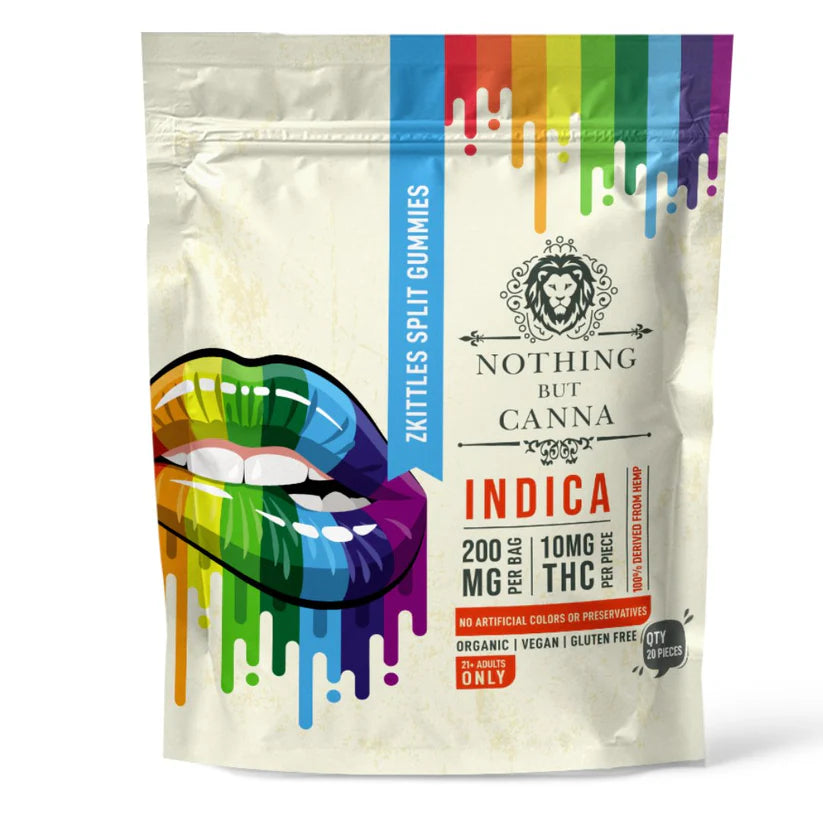
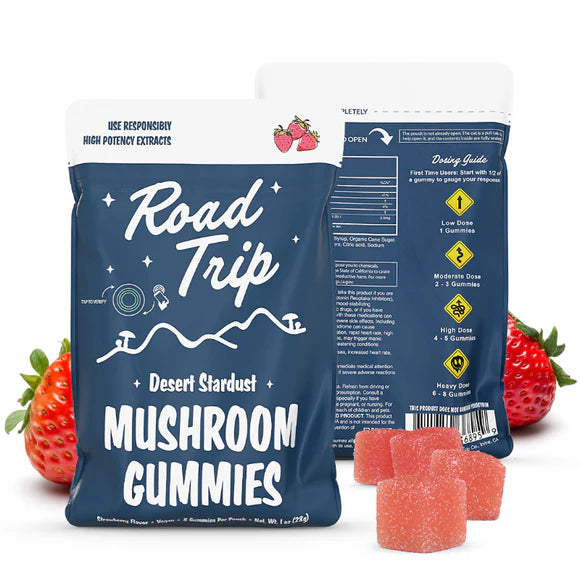
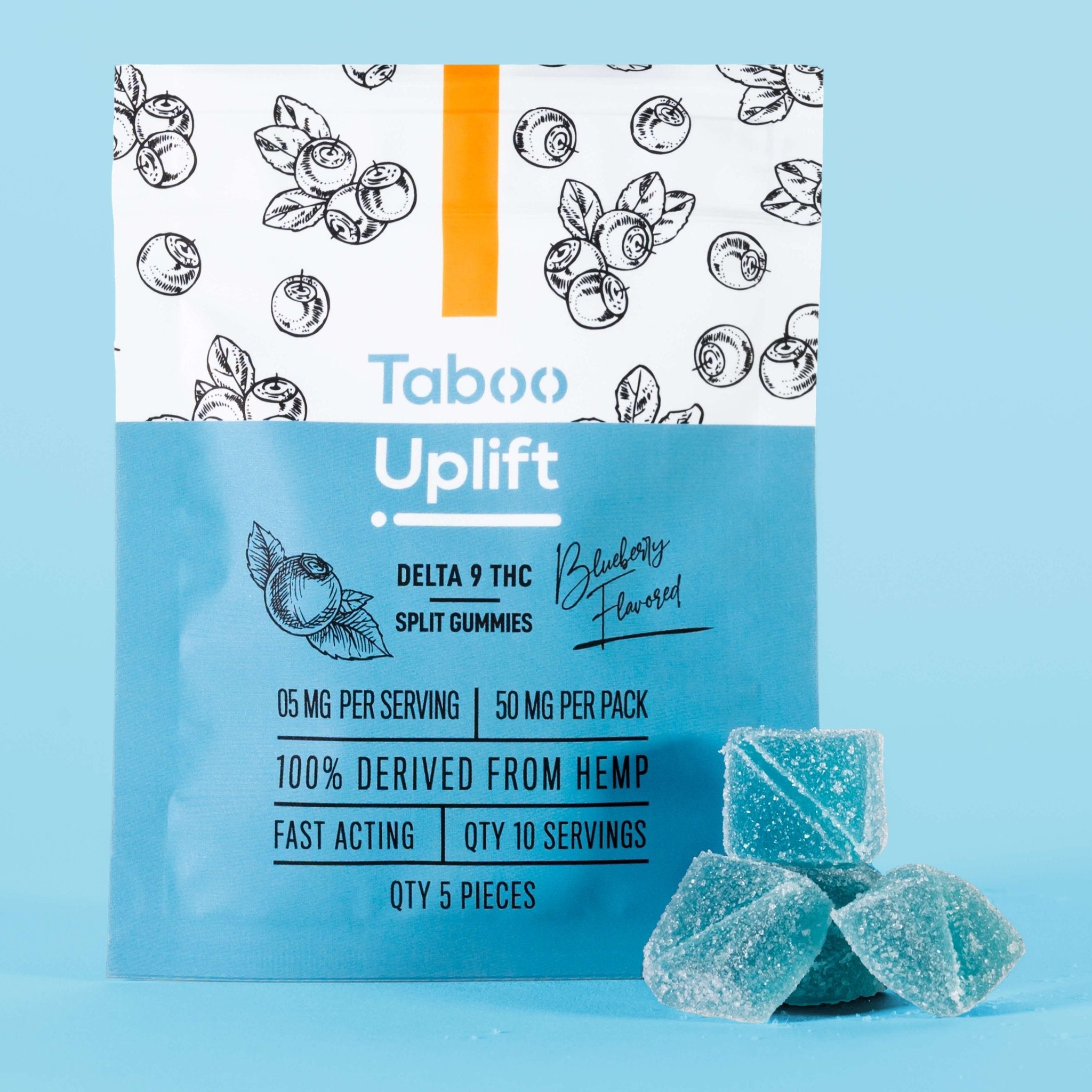
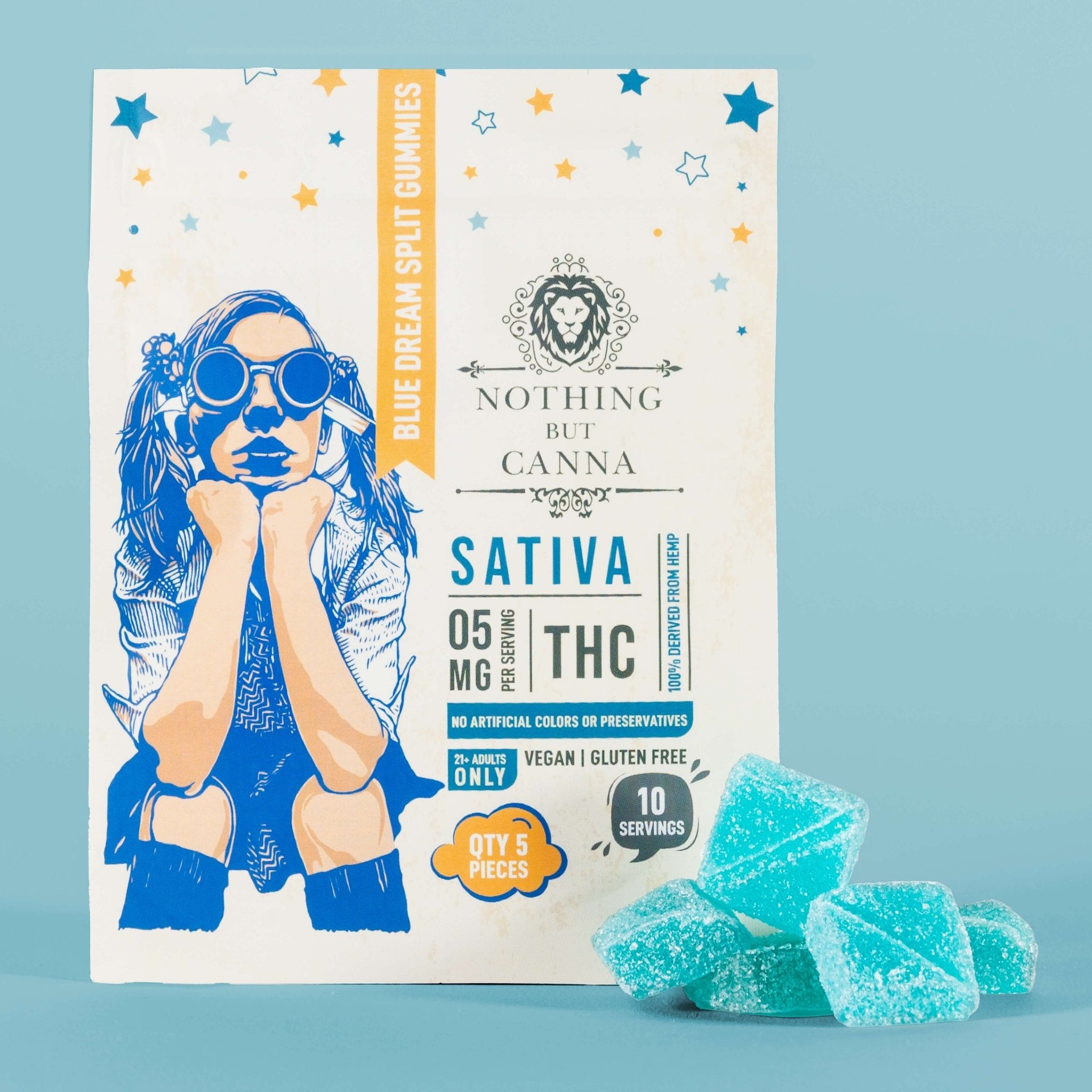
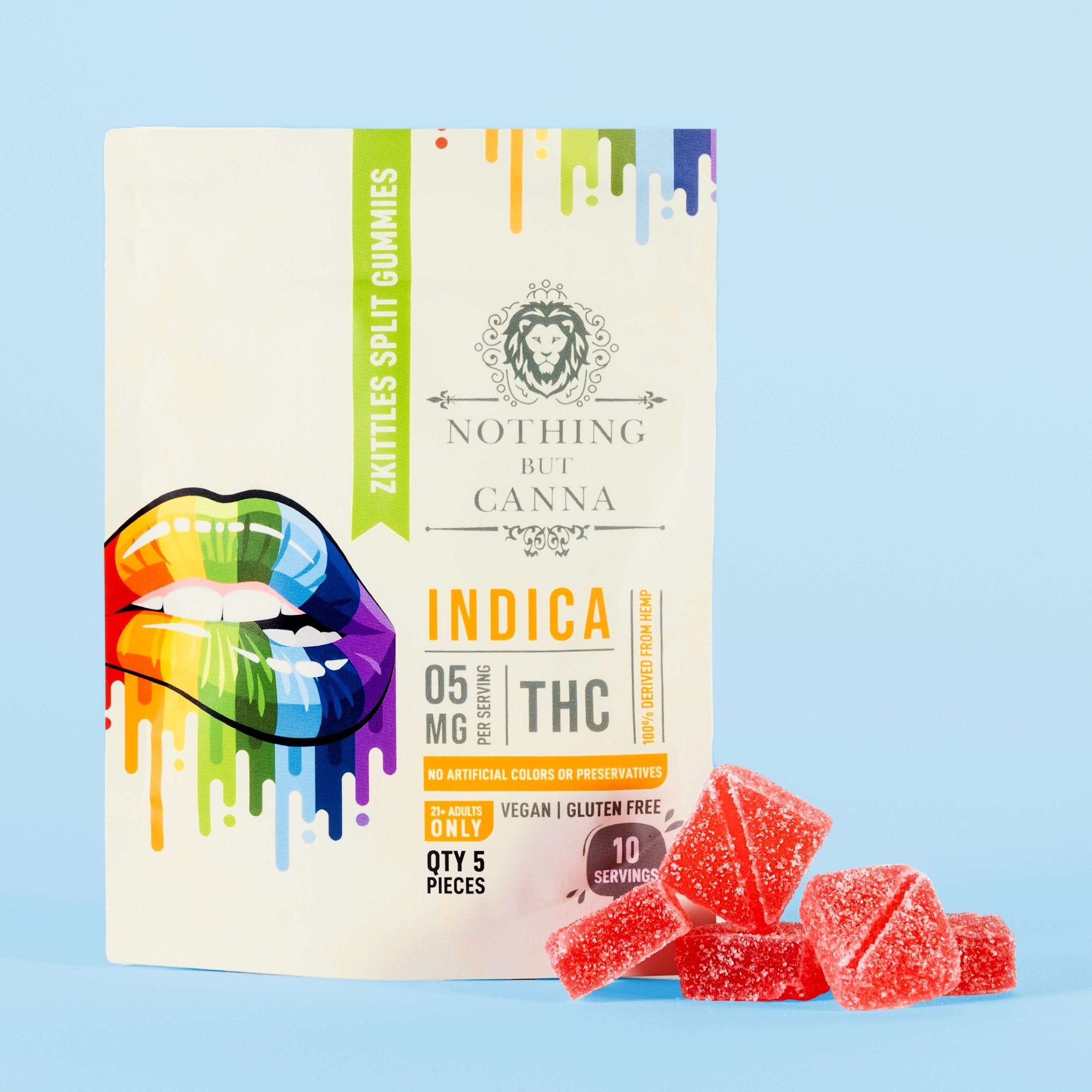
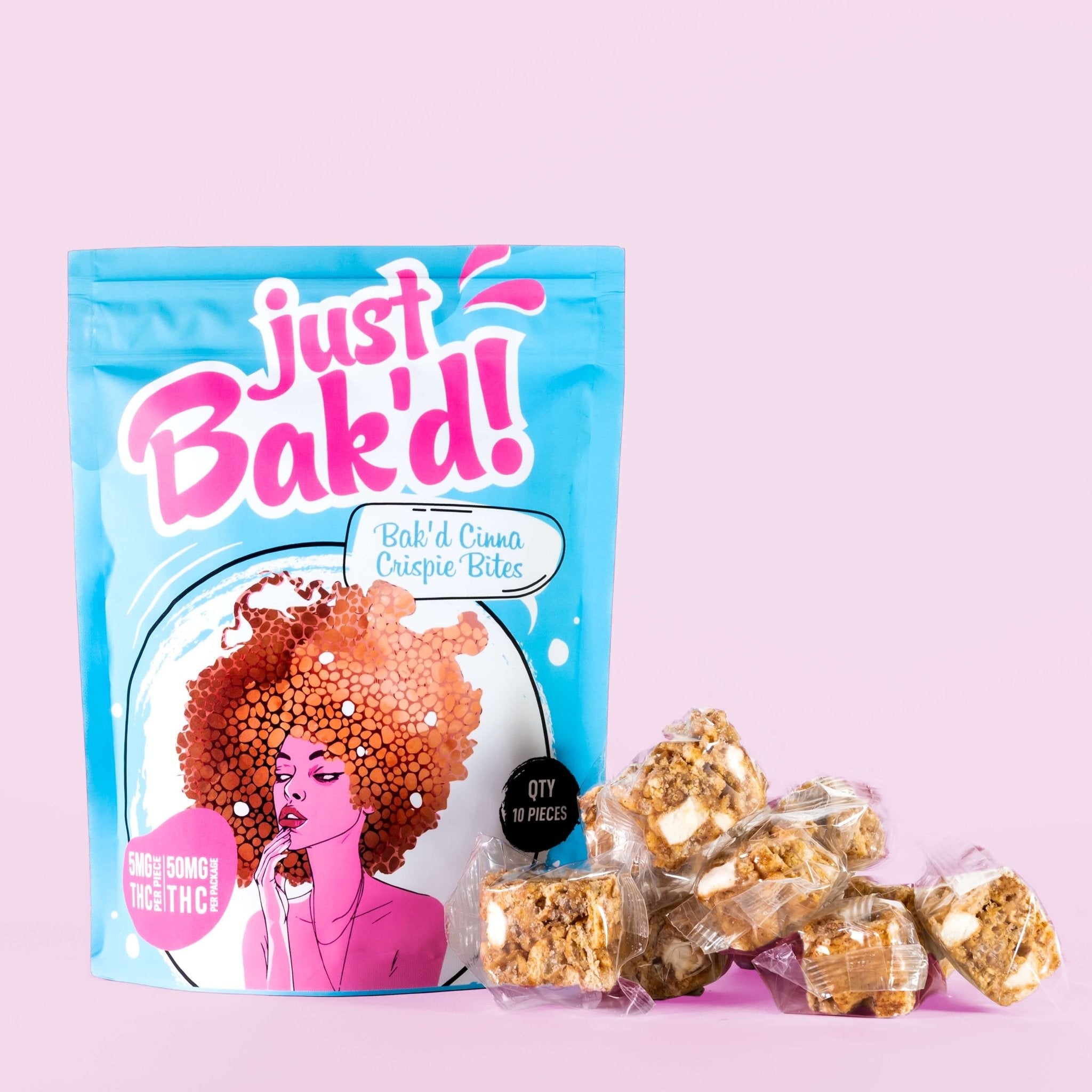
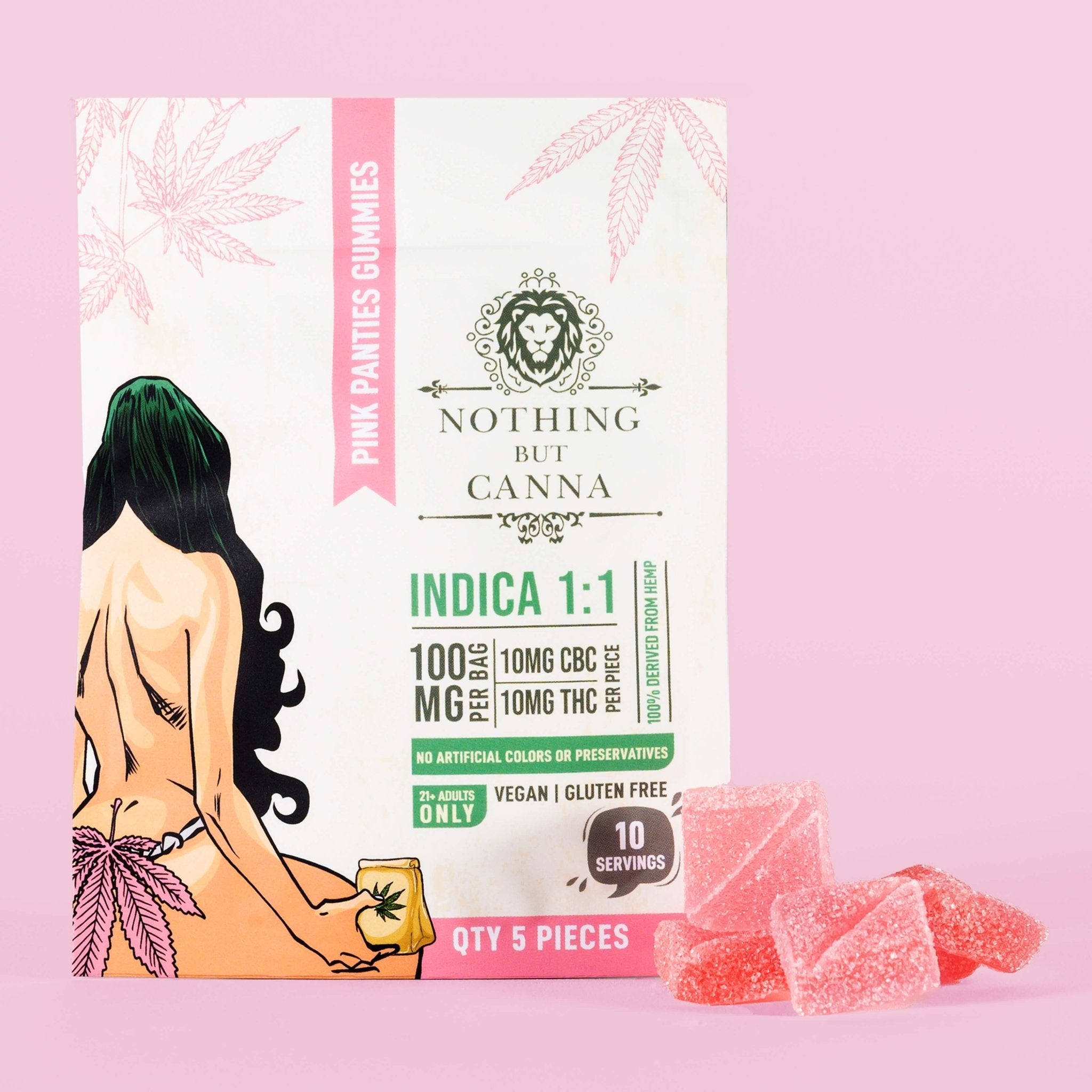
THCP Gummies vs THC Gummies
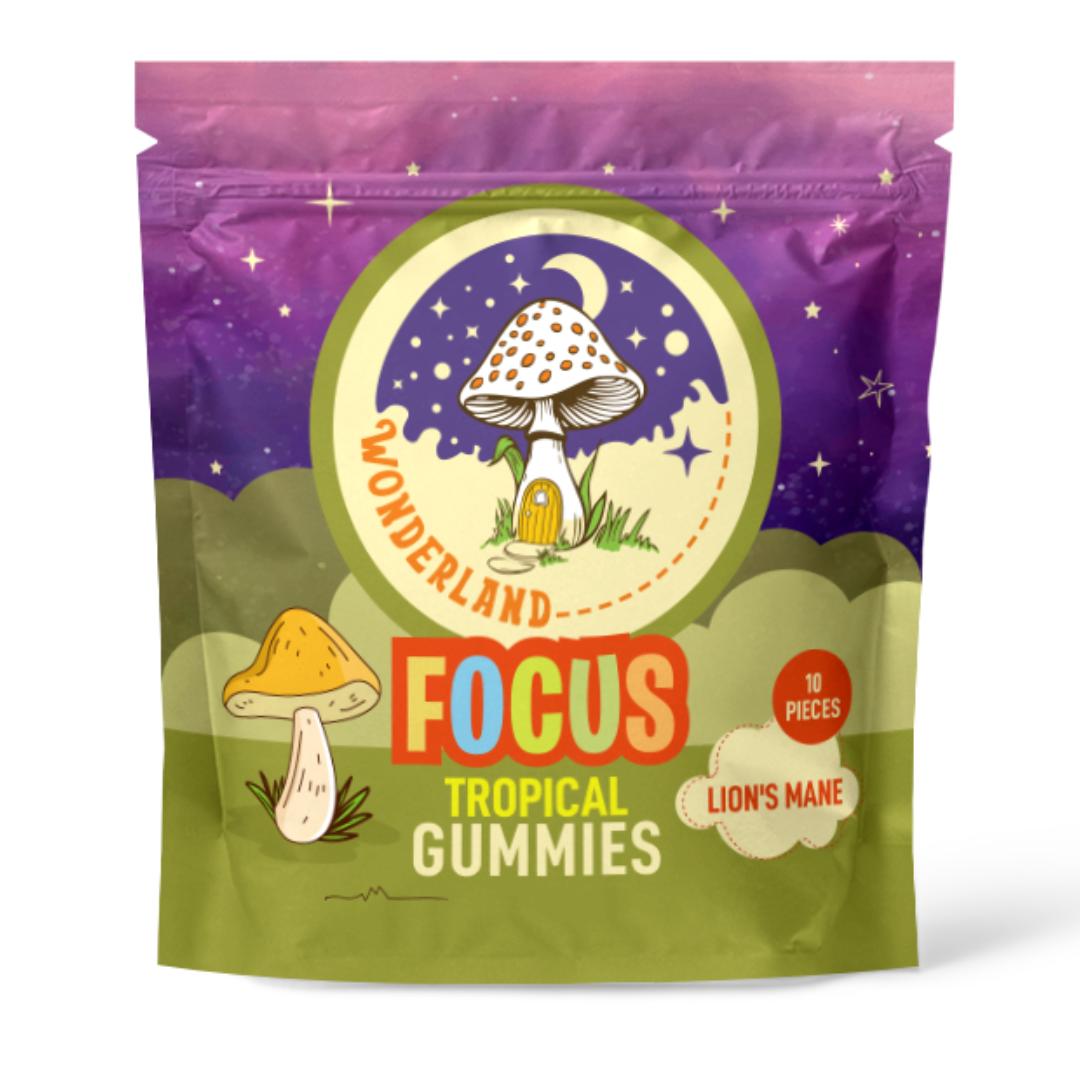
THCP and THC gummies will follow the same route and absorption process when ingested. Where they differ are (1) the onset, peak, and duration time, and (2) the intensity of effects. THCP gummies will feel stronger and longer due to their unique properties .
In the market right now, THCP gummies have more straightforward marketing compared to THC gummies. The most common selling points are “hemp-derived” and “extra potent”. No mention of terpene inclusions or strain sources. That’s why THC gummies remain the king when it comes to a full-bodied and holistic experience.
Can You Mix THCP and THC?
It depends - but overall, it’s not advisable. Stacking THCP with THC means boosting the CB1 receptor and intensifying the psychoactive potential. For beginners, or when trying out new blends, it is not advisable to mix them - especially if it’s a DIY. While hemp derived cannabinoids lik THCP and THC naturally coexist in the cannabis plant, they maintain a certain balance, with THCP only below 0.1%.
Where to Buy THC Online
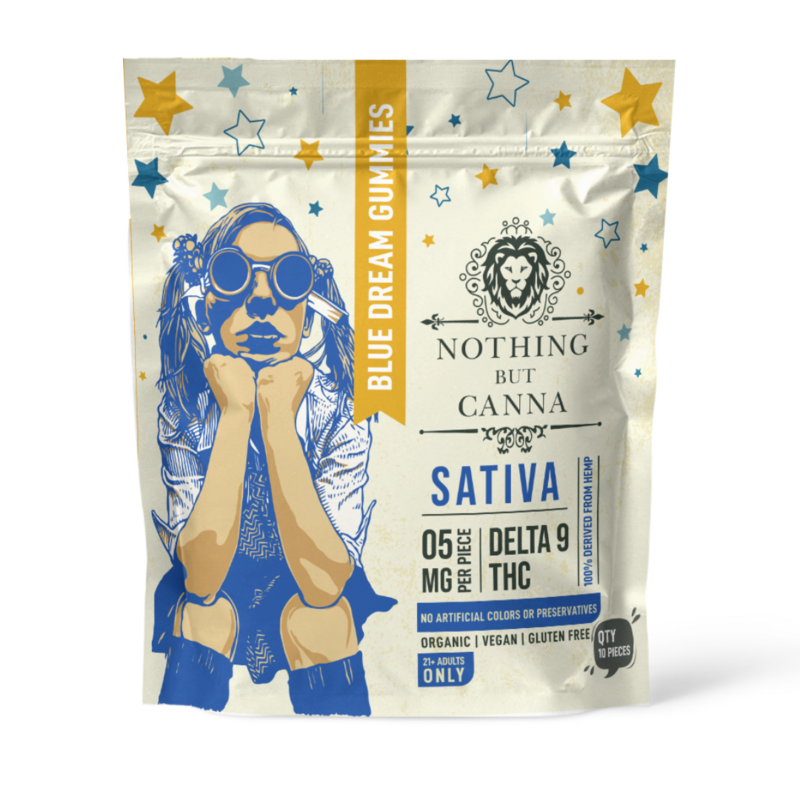
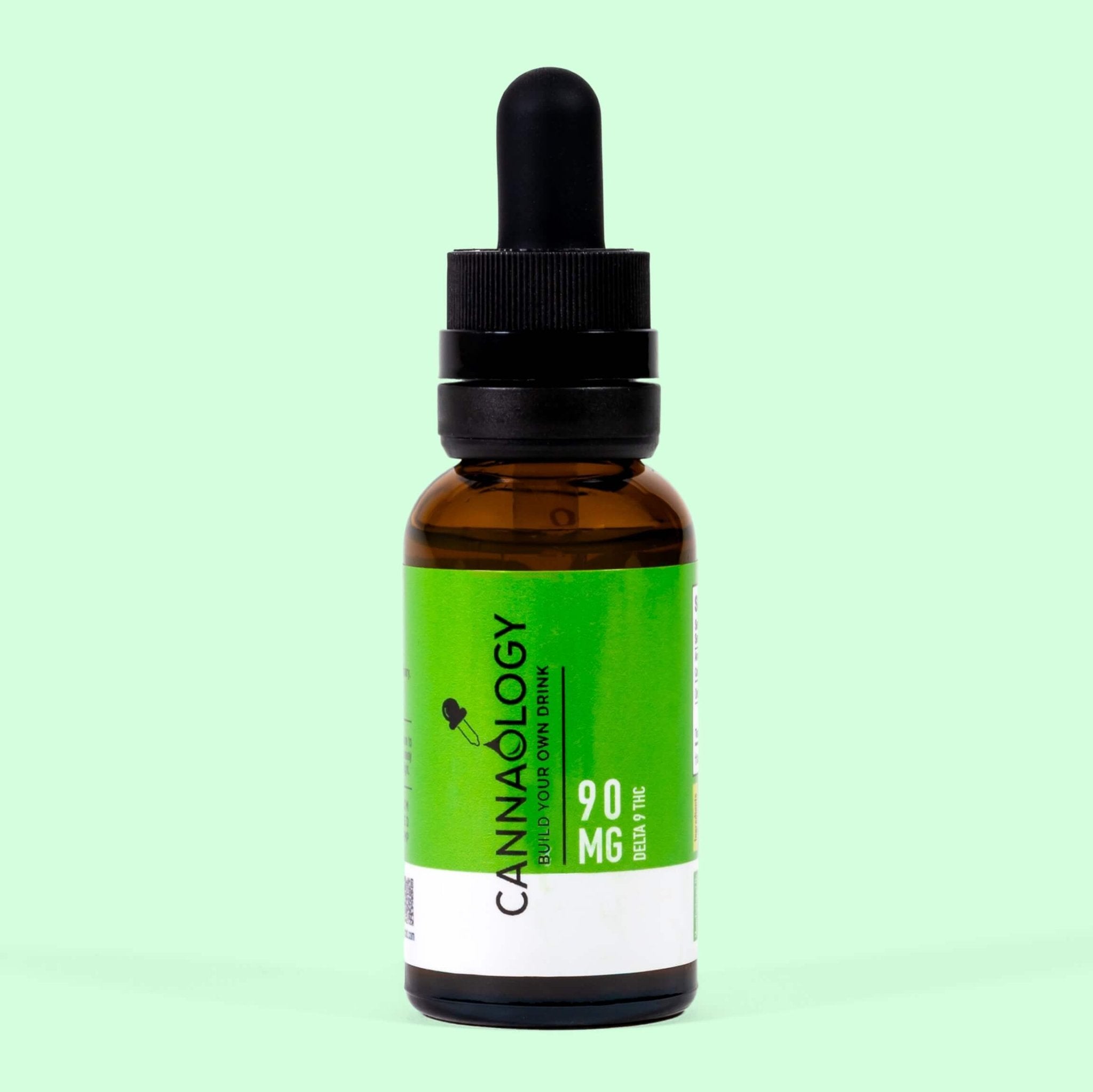
Nothing But Hemp is Minnesota’s favorite Delta-9 THC company. We offer THC gummies, THC beverages, and other THC edibles that are compliant with the state and federal rules.
THCP vs THC: Final Comparison
Pros and Cons of THCP
PROS
- 33 times stronger than THC in terms of CB1 affinity
- A little dose requirement (0.5mg to 2mg can deliver enough effects.
- elevated” experience than THC’s - more immersive and longer
CONS
- Needs further research
- Not recommended for beginners
- Stands in a legal grey area
Pros and Cons of THC
PROS
- Well-researched for short-term and long-term outcomes
- More predictable sessions
- Available in different formats and dosing measurements
CONS
- Chronic exposure causes a serious risk
- Still not federally legal
Which One Is Better for You?
THC - it’s perfect for anyone, from a beginner to a connoisseur. It’s also a well-studied and highly regulated psychoactive substance, which means all THC products you buy from state-licensed dispensaries are well-defined enough to minimize potential risks.