






Why Hemp Won’t Survive as Just a Beverage Industry
Over the past few weeks, I’ve been having conversations with people across the hemp industry. Farmers, extractors, formulators, and entrepreneurs who have been in this space since the very beginning.
Some of these individuals have been around since the 2014 Hemp Pilot Program, when hemp was just beginning to re-emerge in the United States after decades of prohibition.
Back then, nobody knew exactly what the industry would become.
There were no established supply chains.
There were no national brands.
There were no mainstream retail channels.
There were just farmers experimenting with a crop that had been illegal for nearly fifty years, universities running pilot programs, and entrepreneurs trying to build a market from scratch.
Many of the people I’ve spoken with recently helped build the infrastructure that exists today.
And nearly all of them share the same concern right now:
The hemp industry cannot survive if it becomes only a beverage industry.
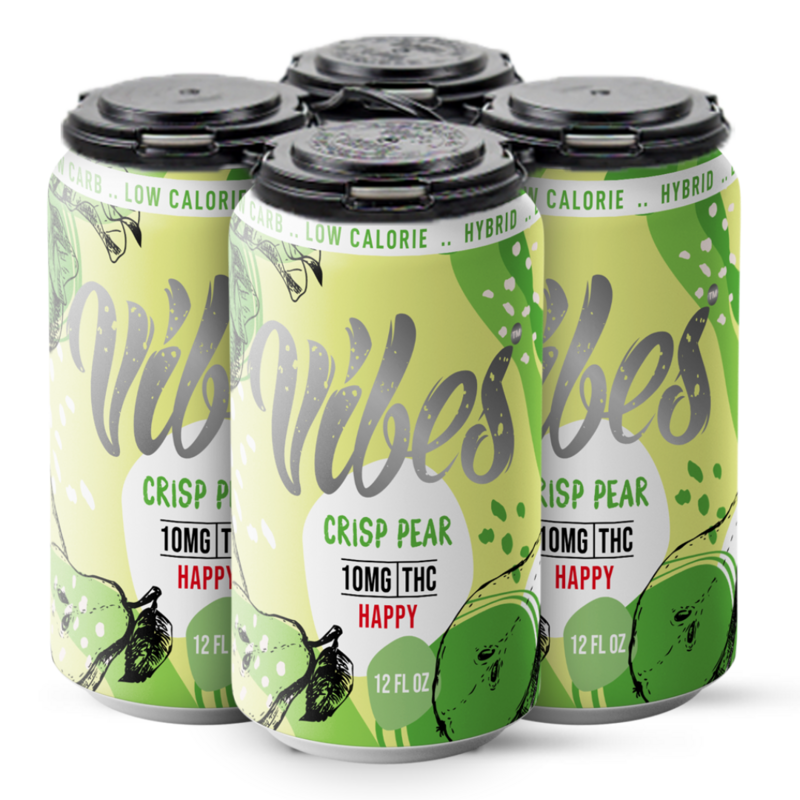
The excitement around THC beverages is real. They are innovative, approachable, and fit naturally into bars, liquor stores, and social settings.
But if policymakers or regulators unintentionally push the industry toward a beverage-only future, the result could be the collapse of the broader hemp ecosystem that beverages depend on.
The Industry Experts Are Seeing the Same Warning Signs
One of the most interesting parts of my recent conversations has been hearing the perspective of people who have watched this industry evolve from the beginning.
These are people who saw:
-
The first hemp crops planted under pilot programs
-
The CBD boom
-
The massive expansion of extraction infrastructure
-
The collapse of CBD isolate pricing
-
The rise of minor cannabinoids
-
The emergence of THC beverages
They’ve lived every phase of the market.
And when I ask them what worries them most right now, the answer is consistent:
The industry is forgetting how much infrastructure sits behind a single consumer product.
A beverage sitting on a shelf looks simple.
But behind that beverage is an entire economic chain:
Farmers growing hemp
Extraction labs processing biomass
Distillation facilities producing cannabinoids
Ingredient suppliers creating emulsions
Manufacturers producing finished products
Remove most of the product categories that support that system, and the infrastructure begins to disappear.
The Collapse of CBD Prices Shows What Happens
Anyone who has been in hemp for a few years remembers how extreme the early market was.
When the modern hemp industry started expanding, CBD isolate sold for around $15,000 per kilogram.
Farmers rushed into hemp cultivation.
Extraction labs appeared everywhere.
Investors poured millions into building processing facilities.
But supply quickly outpaced demand.
Today, that same CBD isolate often sells for $350 to $600 per kilogram at scale.
That price collapse wiped out a massive amount of capital and forced many companies out of the market.
The lesson from that moment is simple:
The hemp supply chain requires large and diverse demand to survive.
Why the Industry Cannot Survive on Beverages Alone
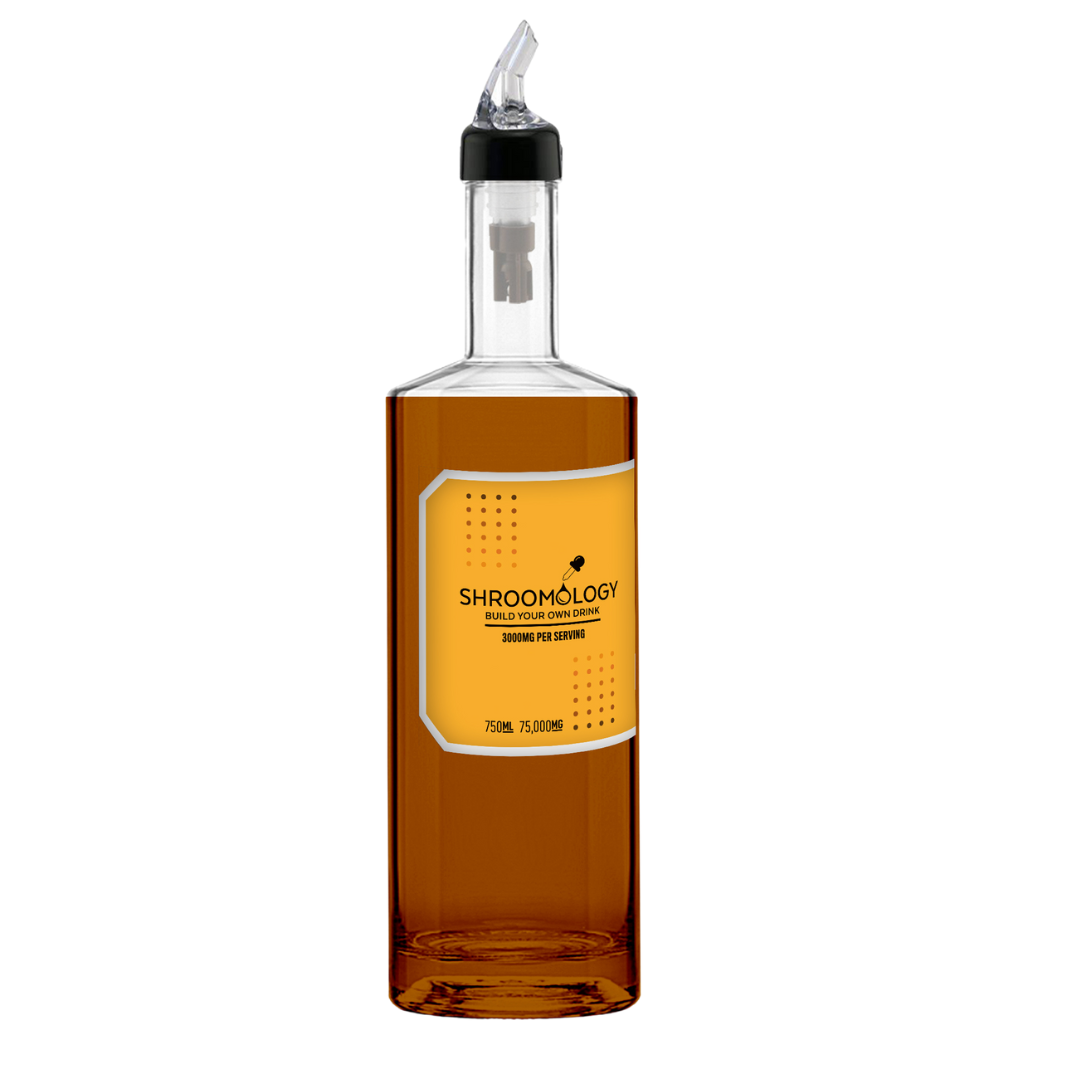
Right now, beverages represent one of the fastest-growing categories in hemp.
But they are still a small portion of total revenue.
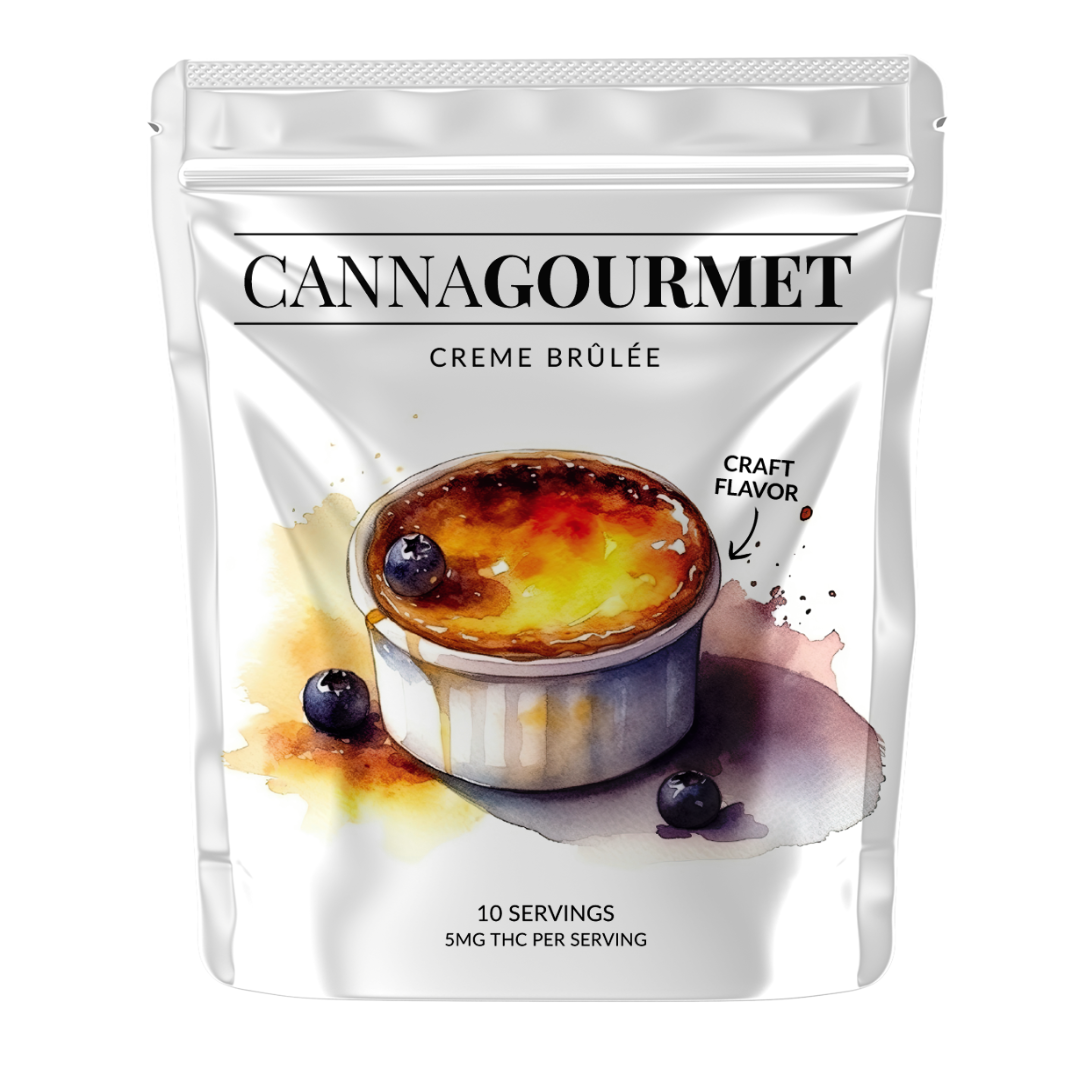
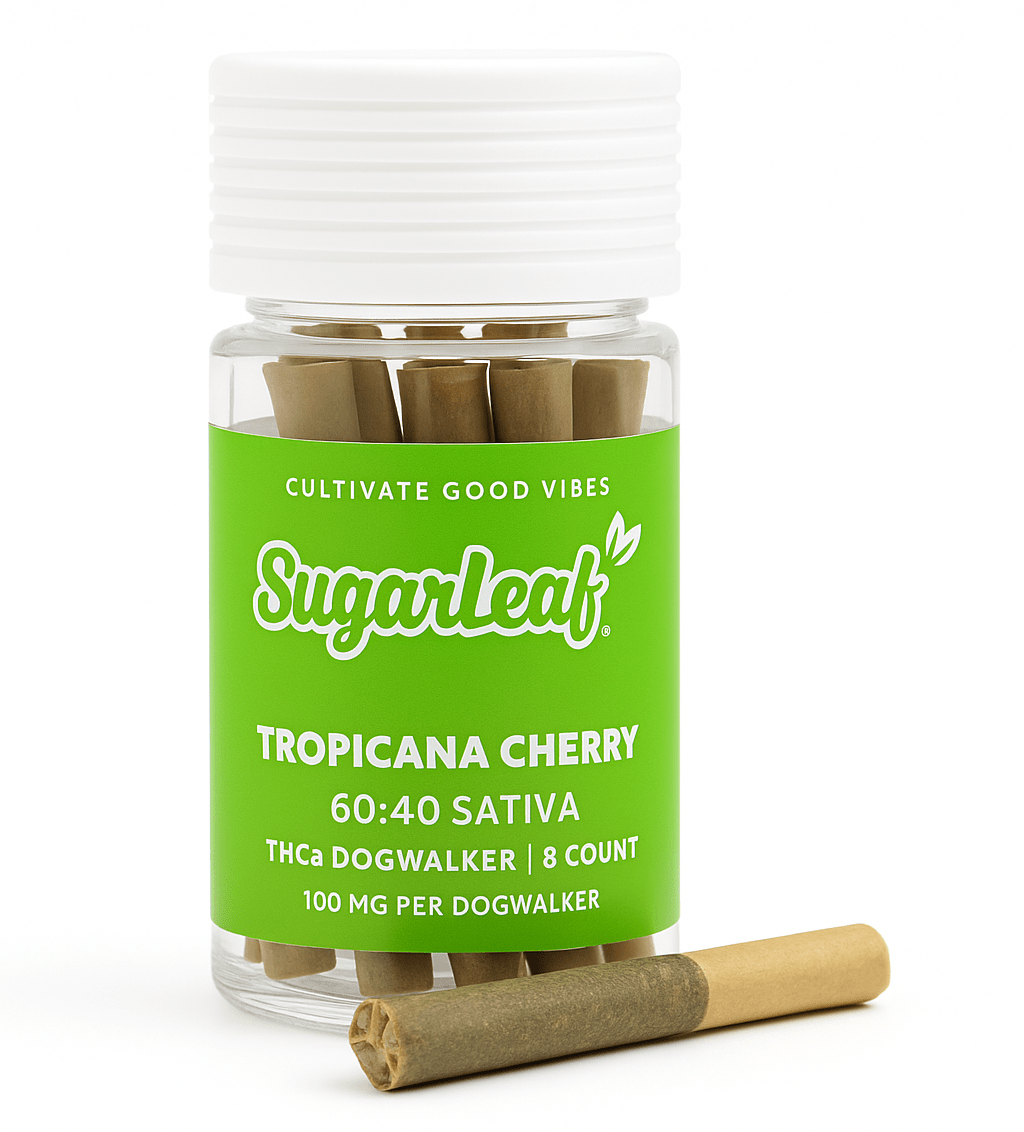
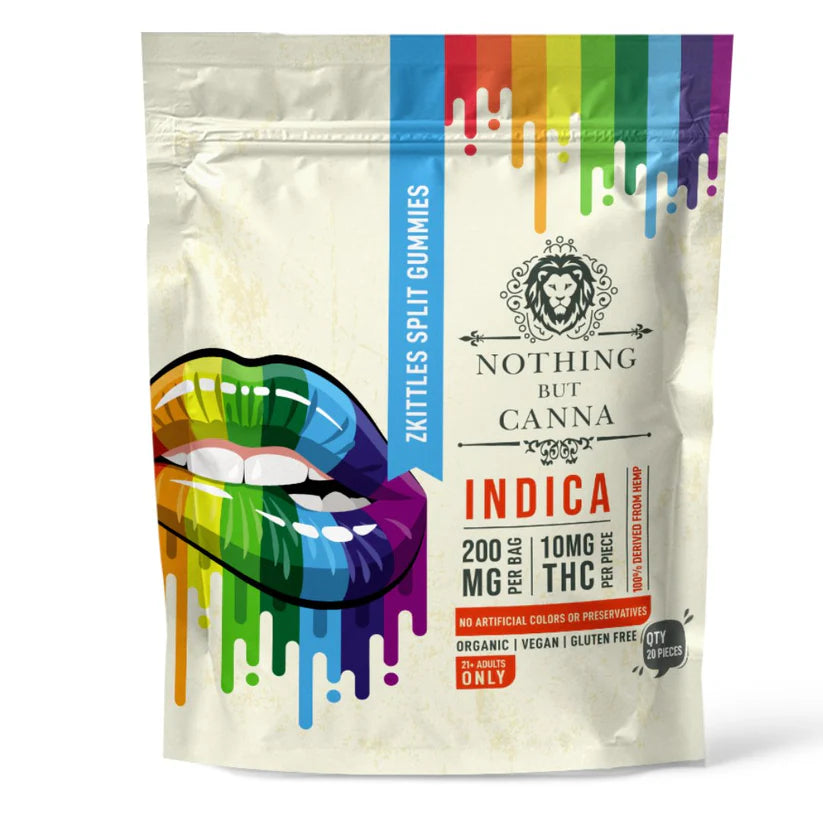
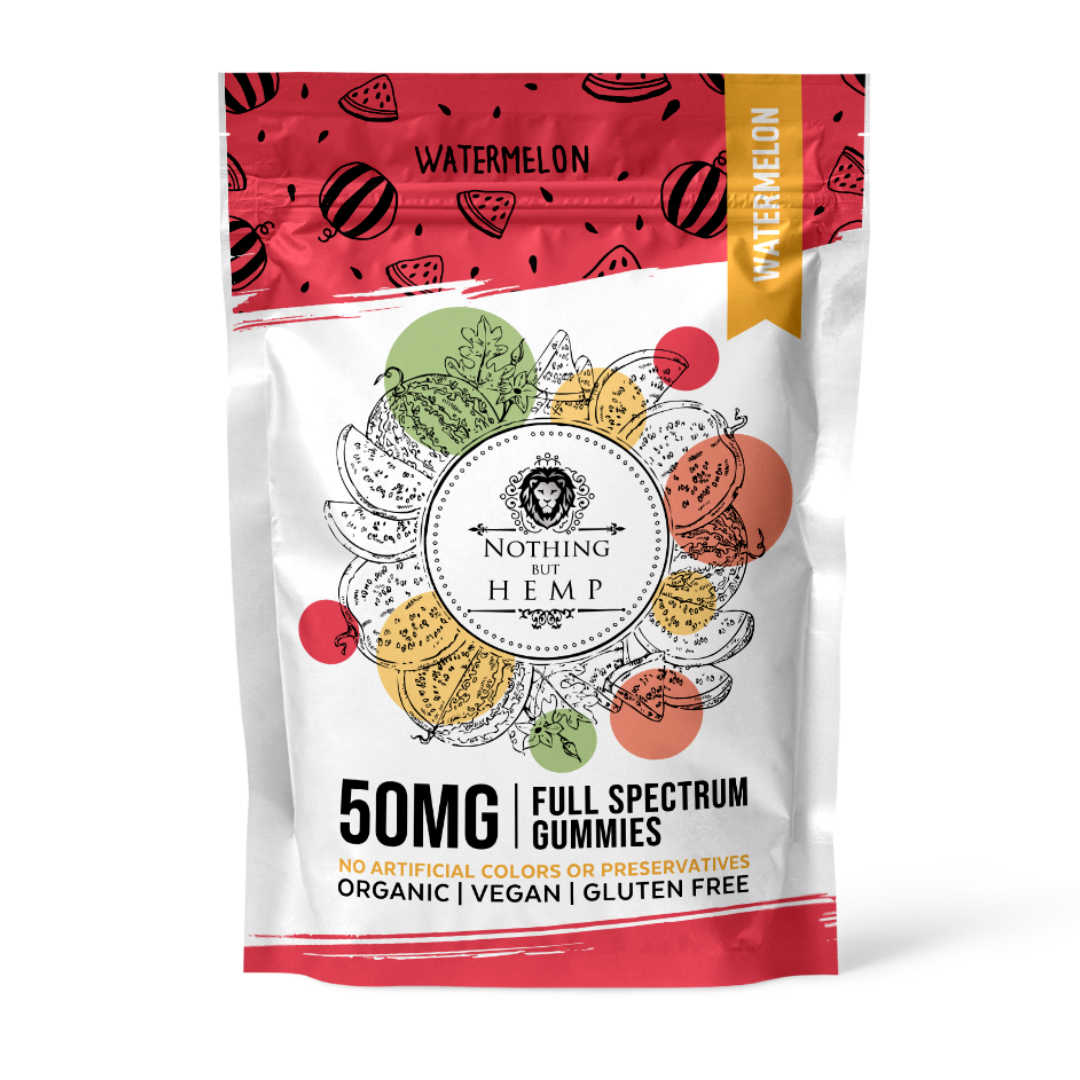
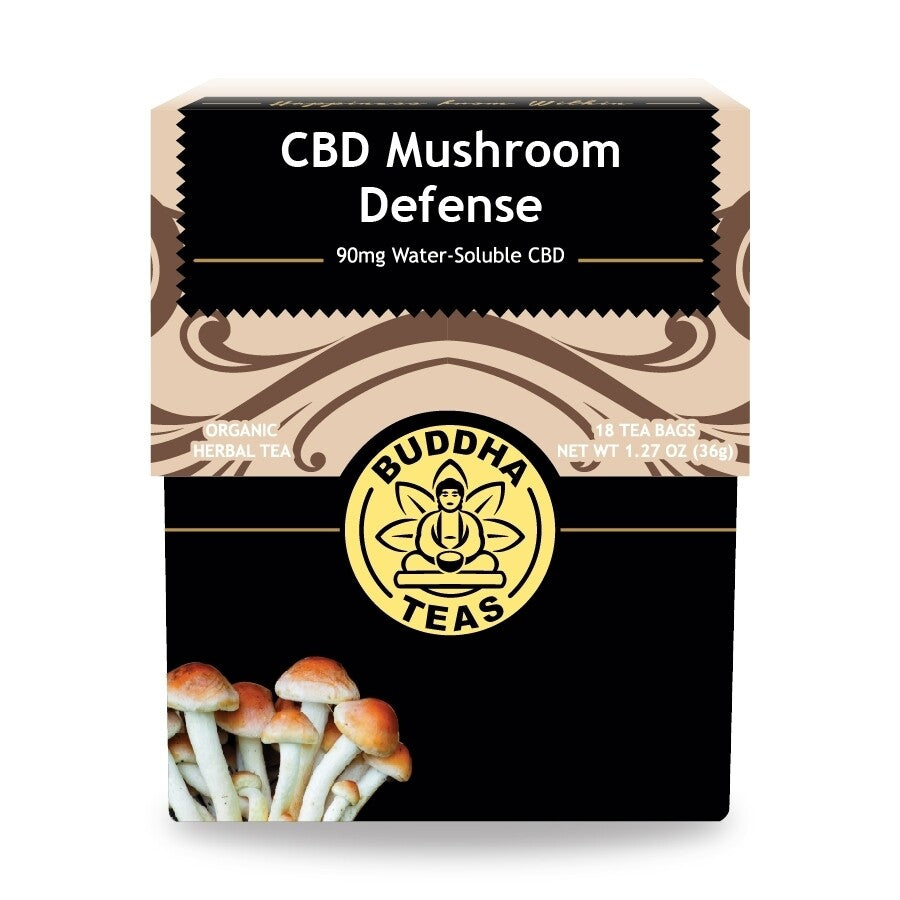
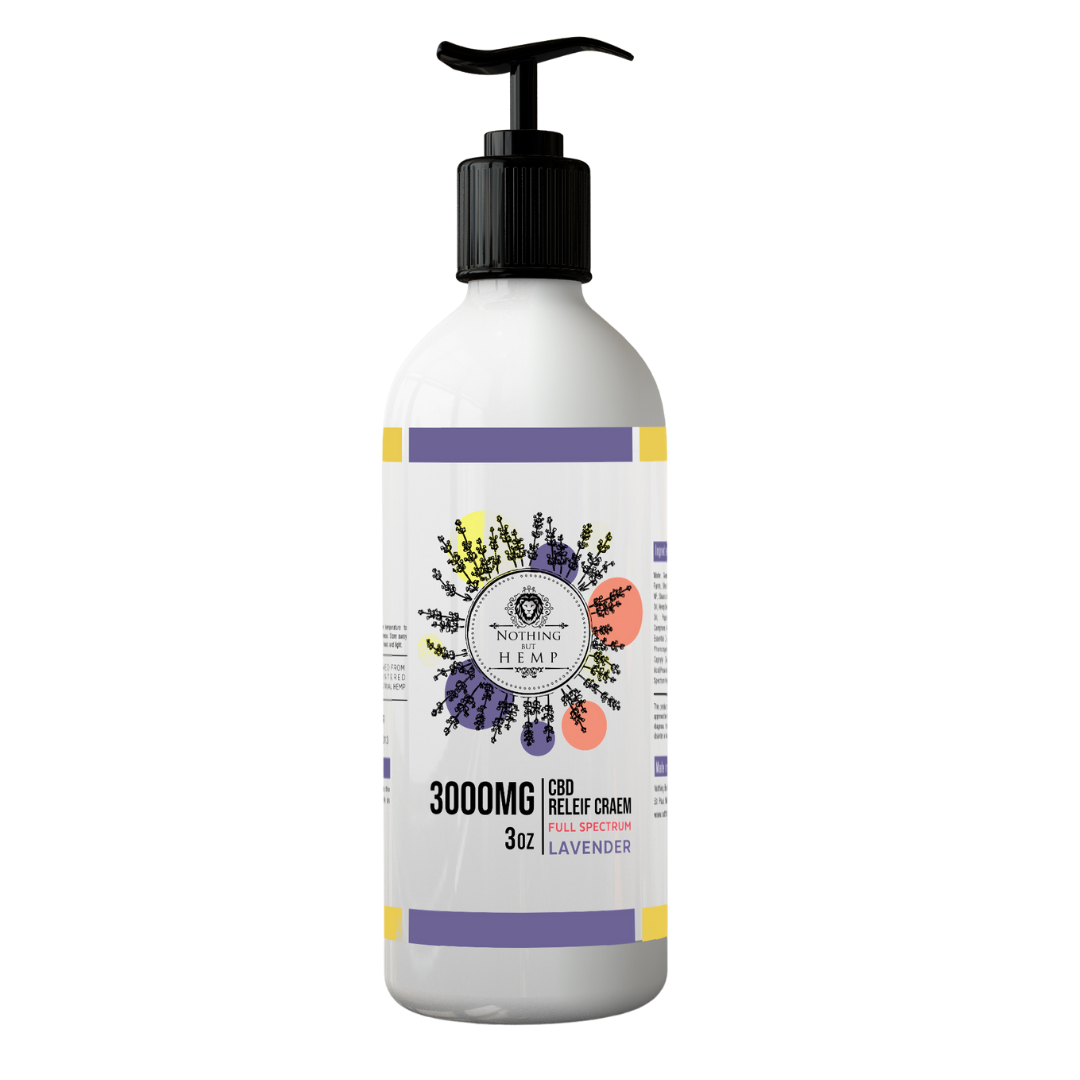
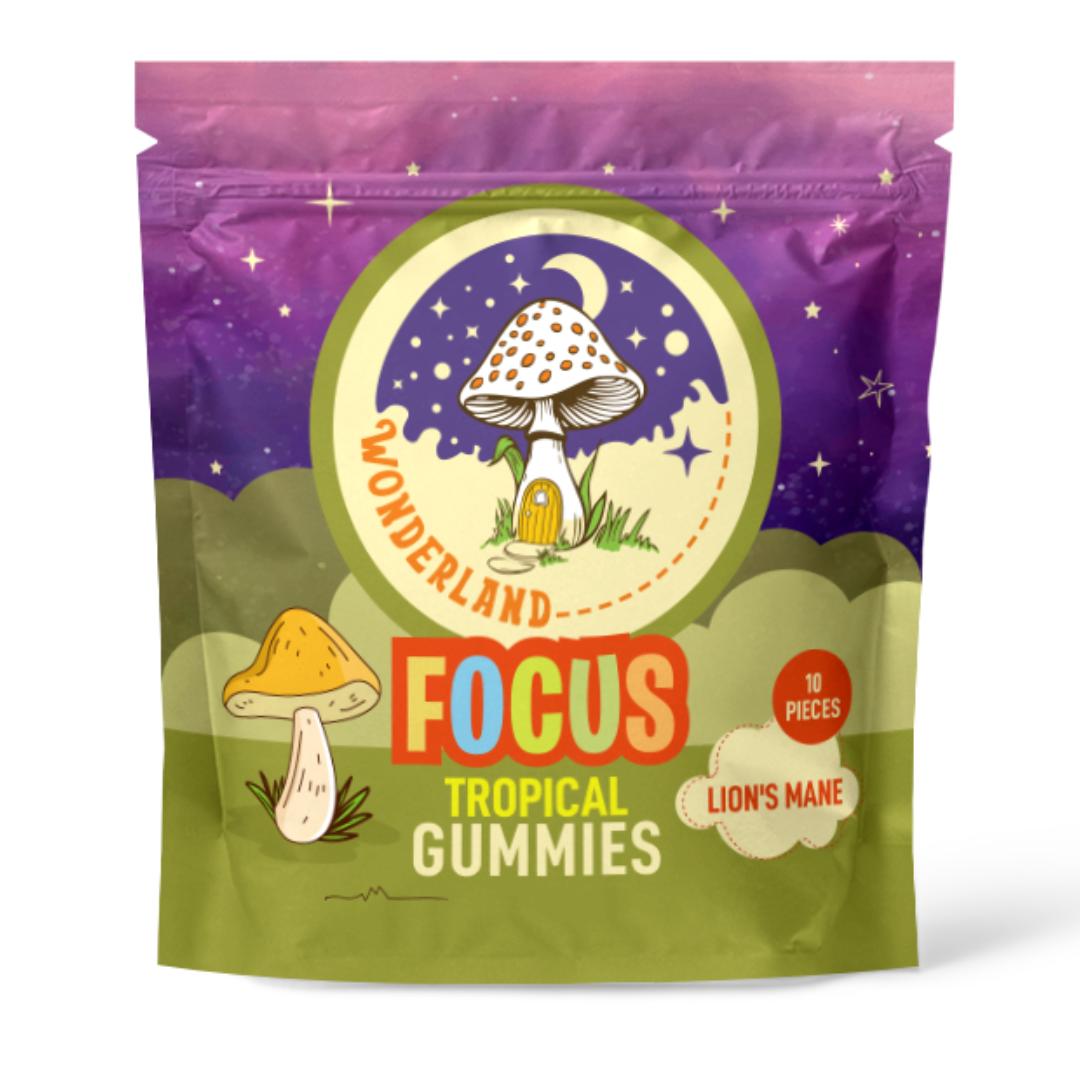
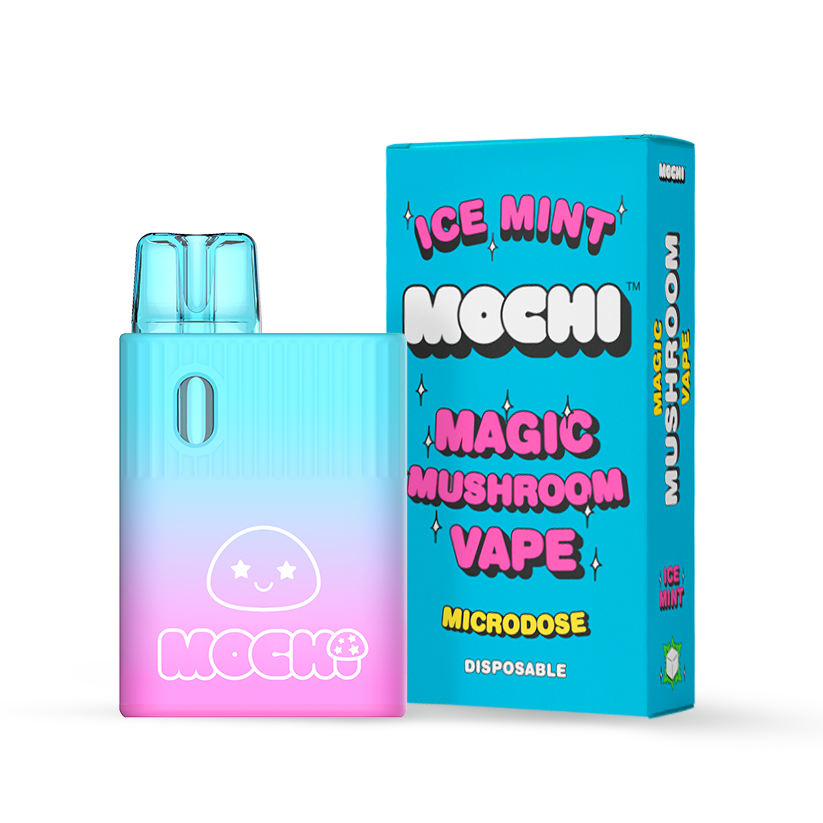
Roughly 95% of hemp revenue comes from other products, including:
-
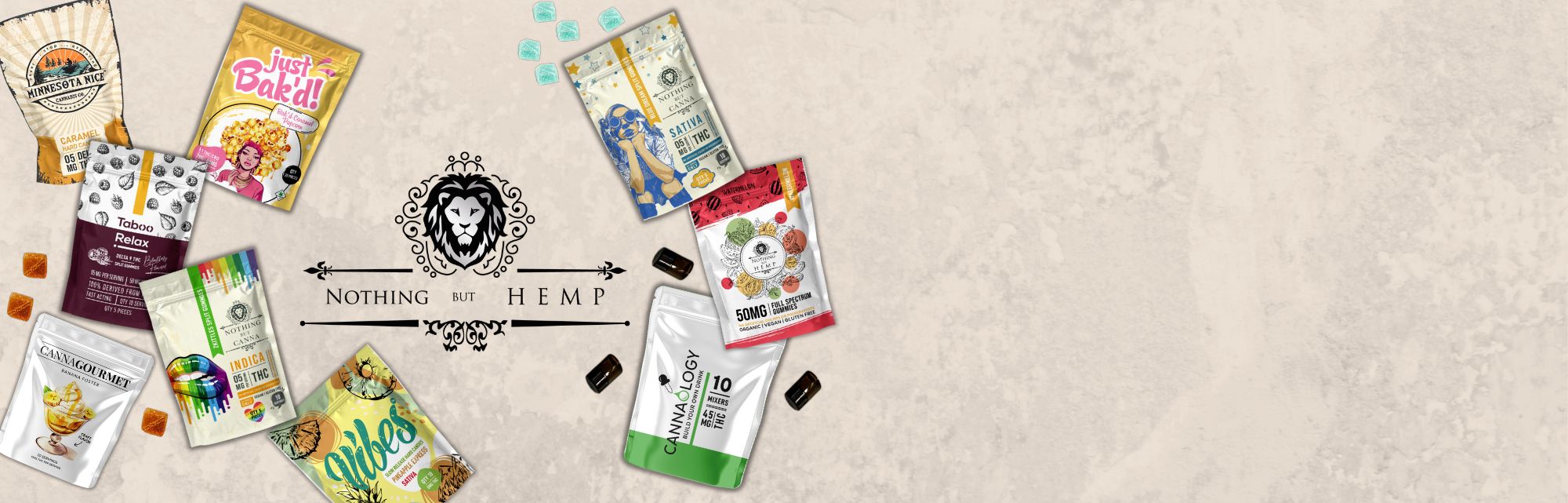
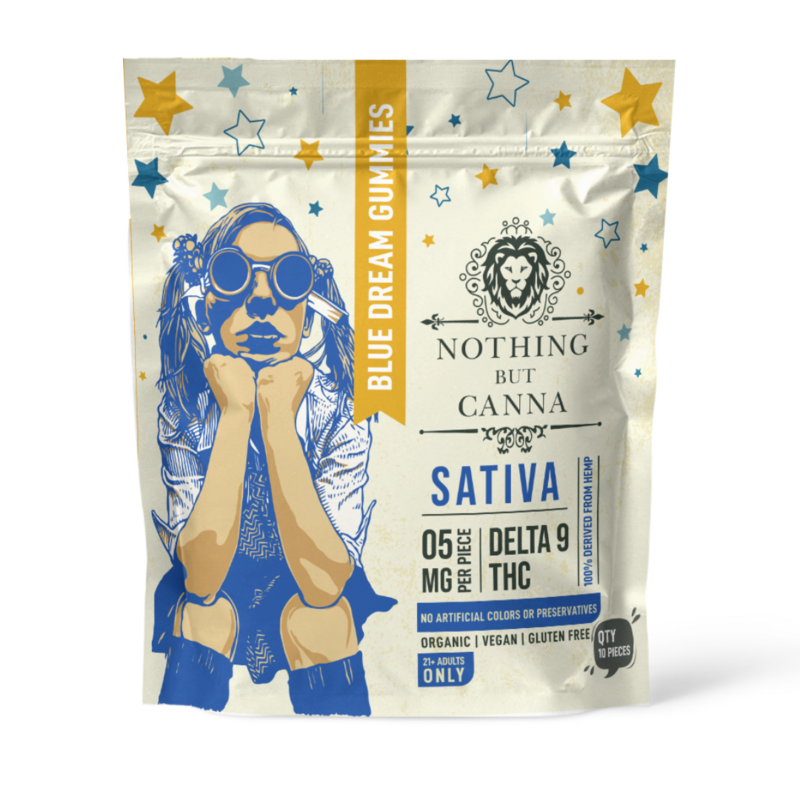
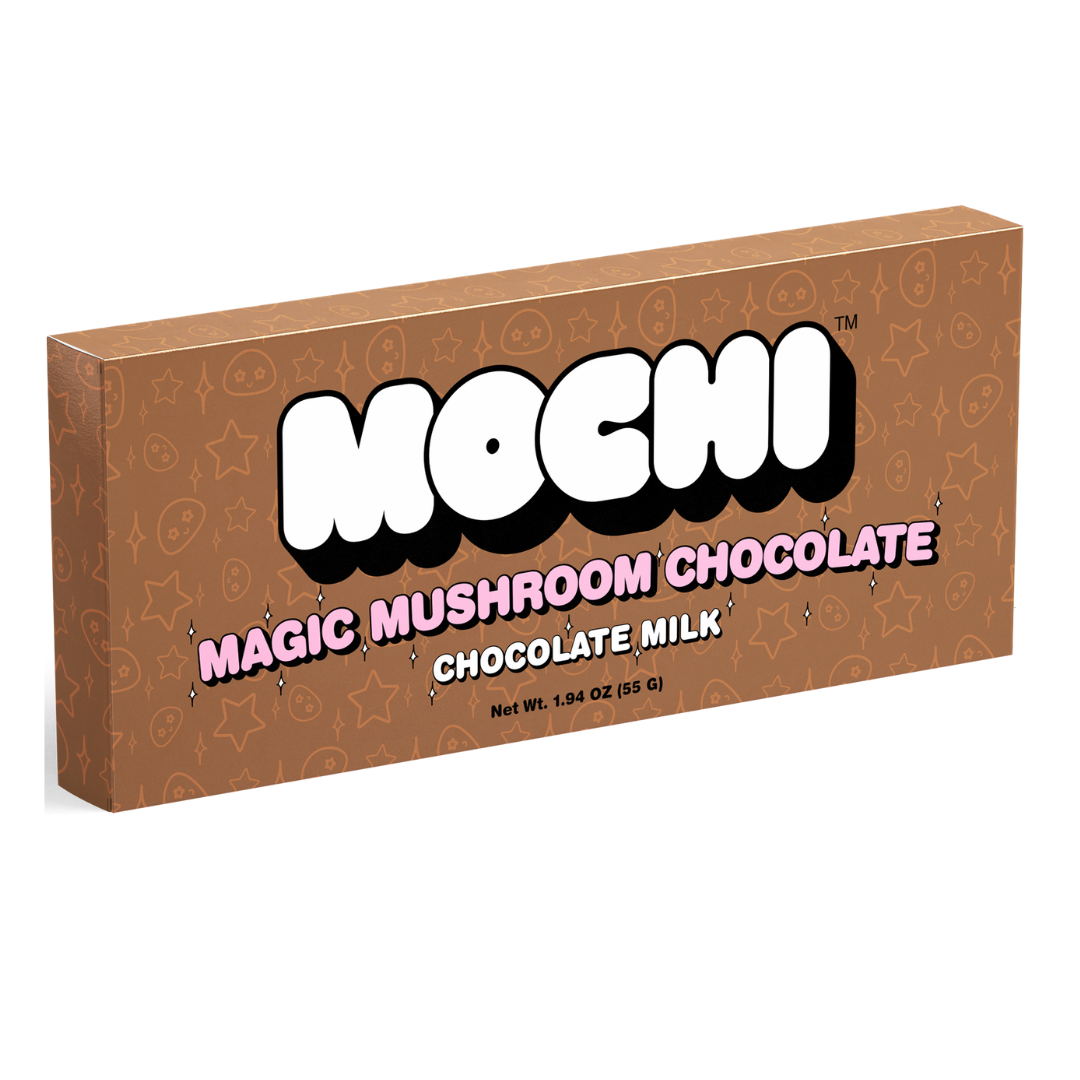
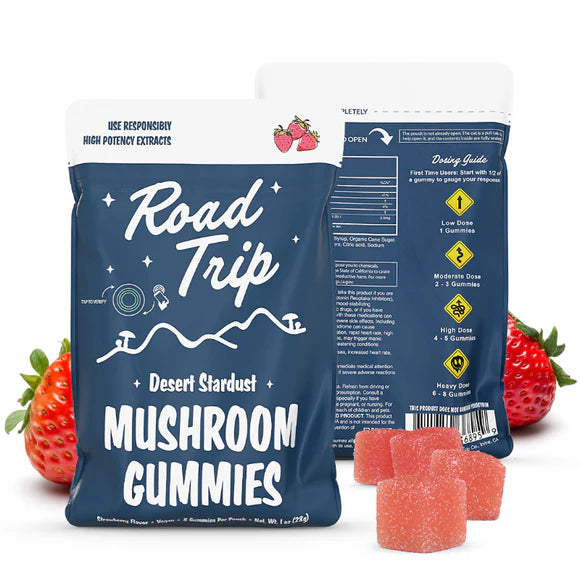
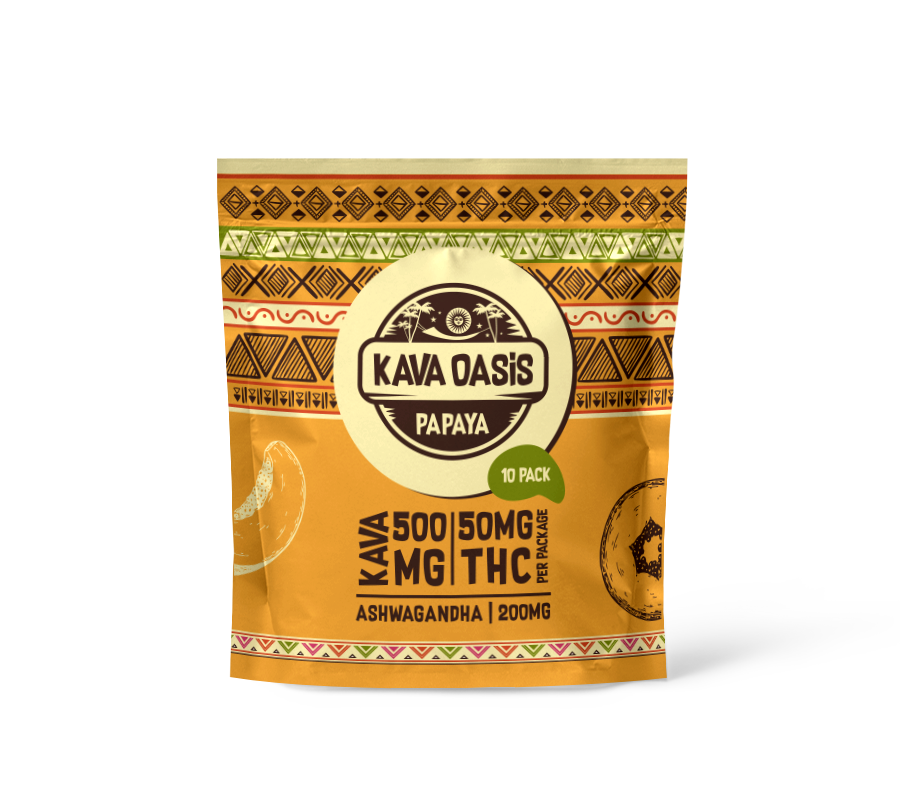
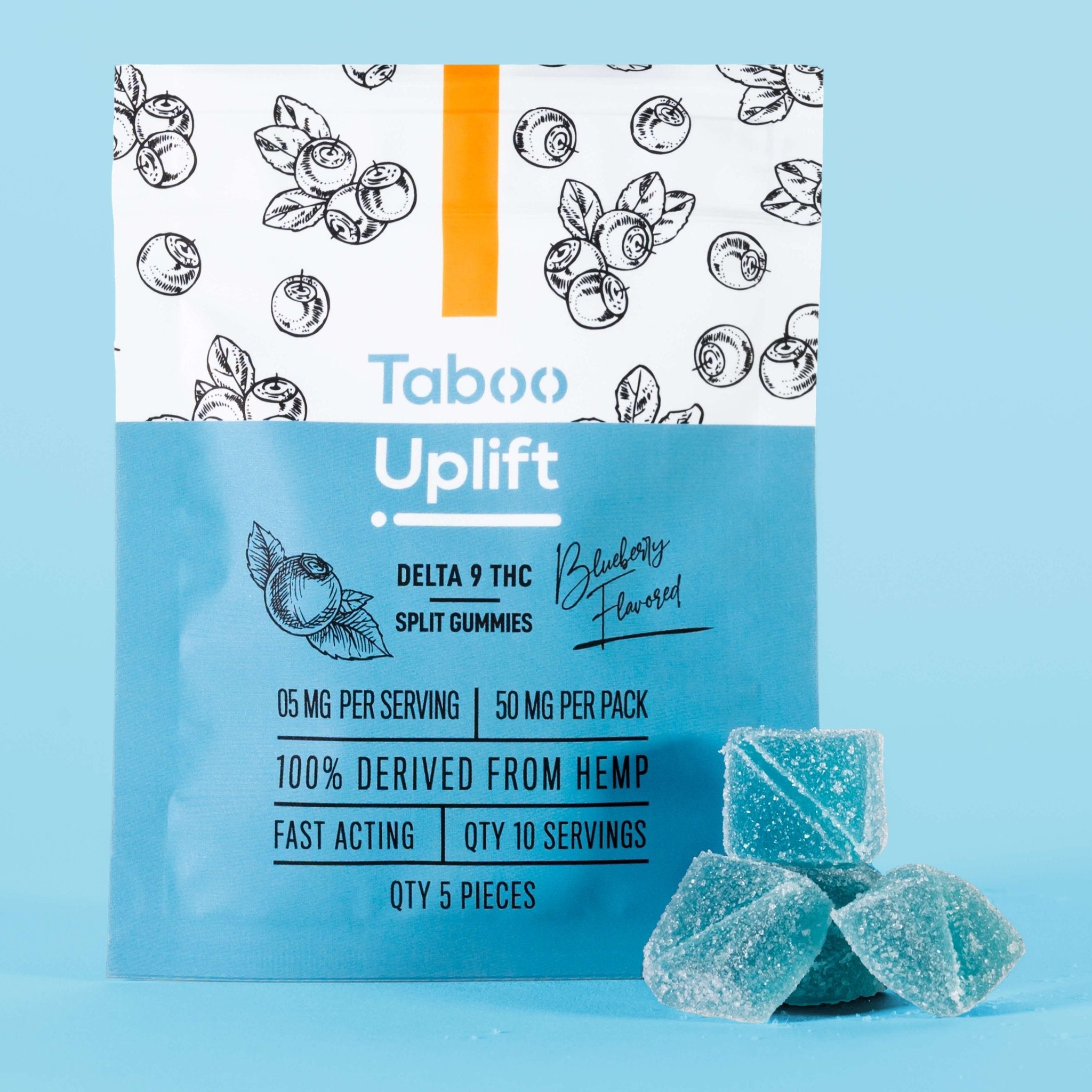
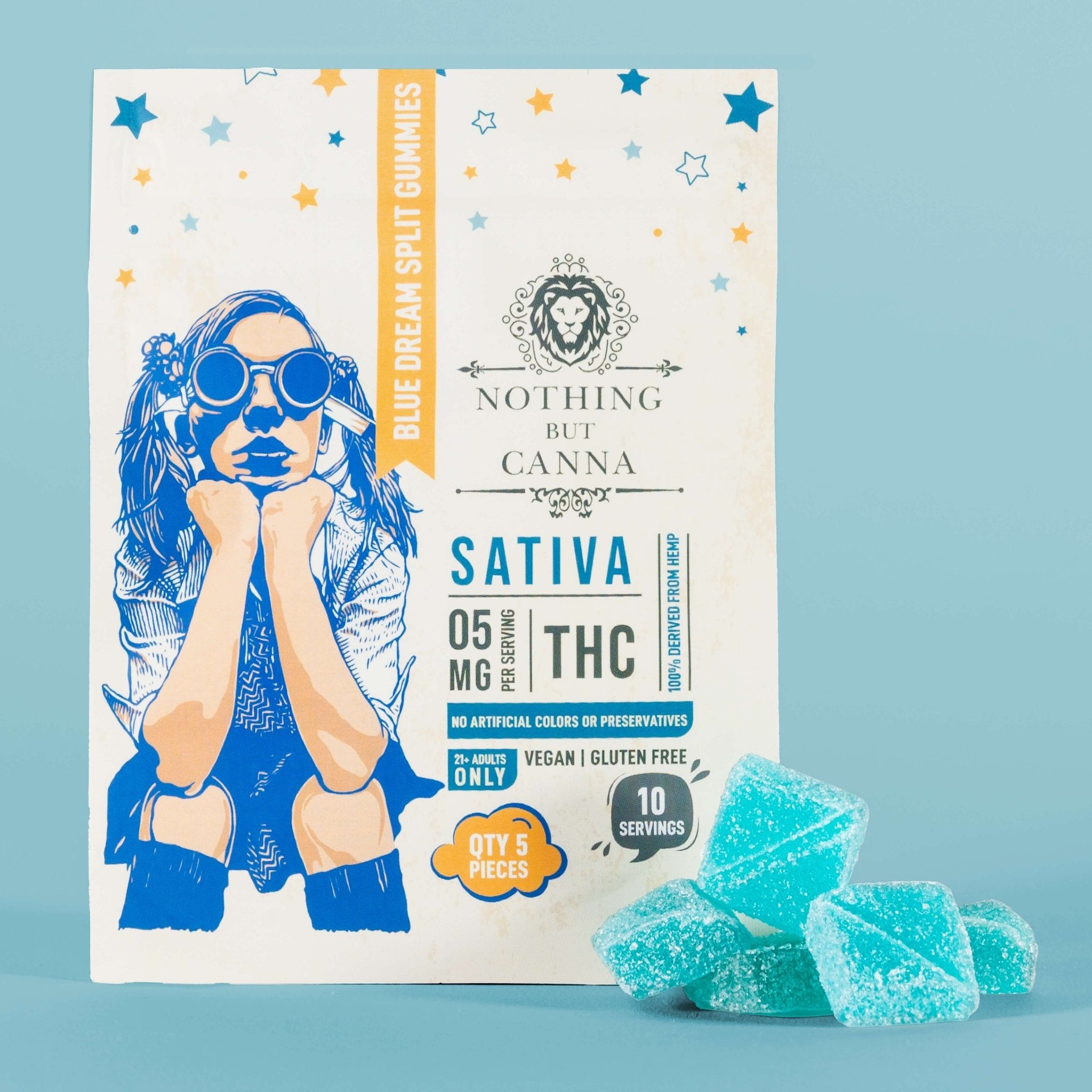
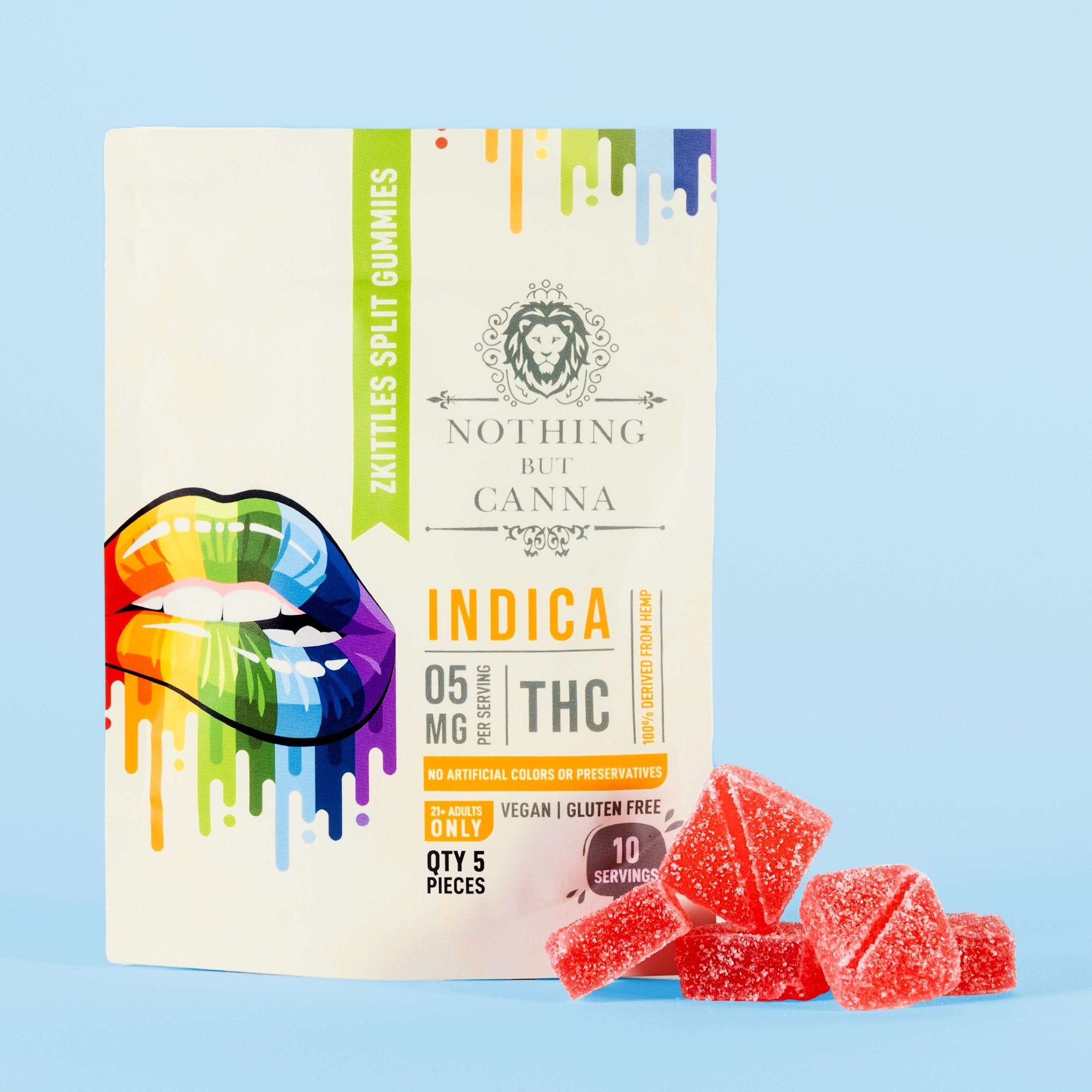
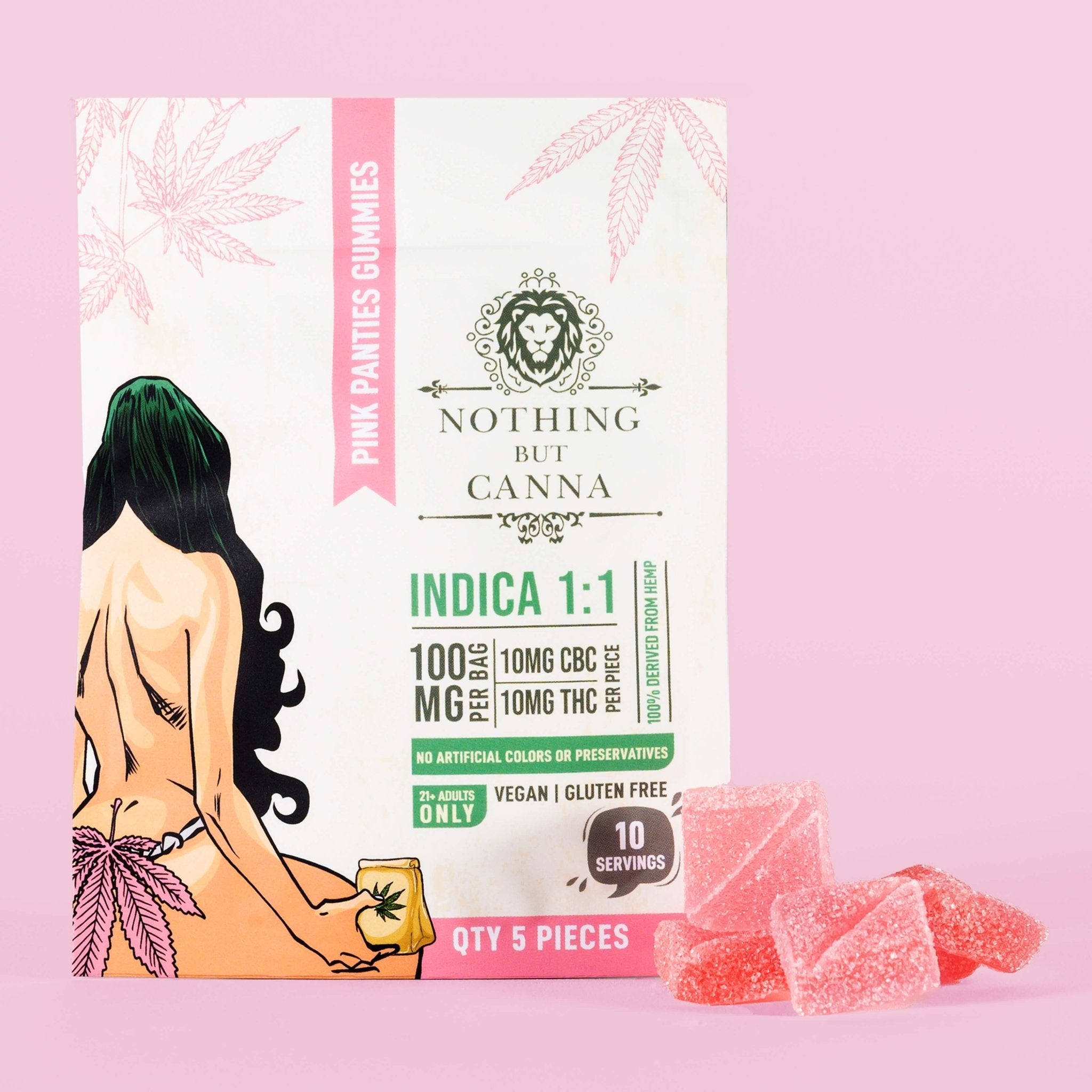
Gummies
-
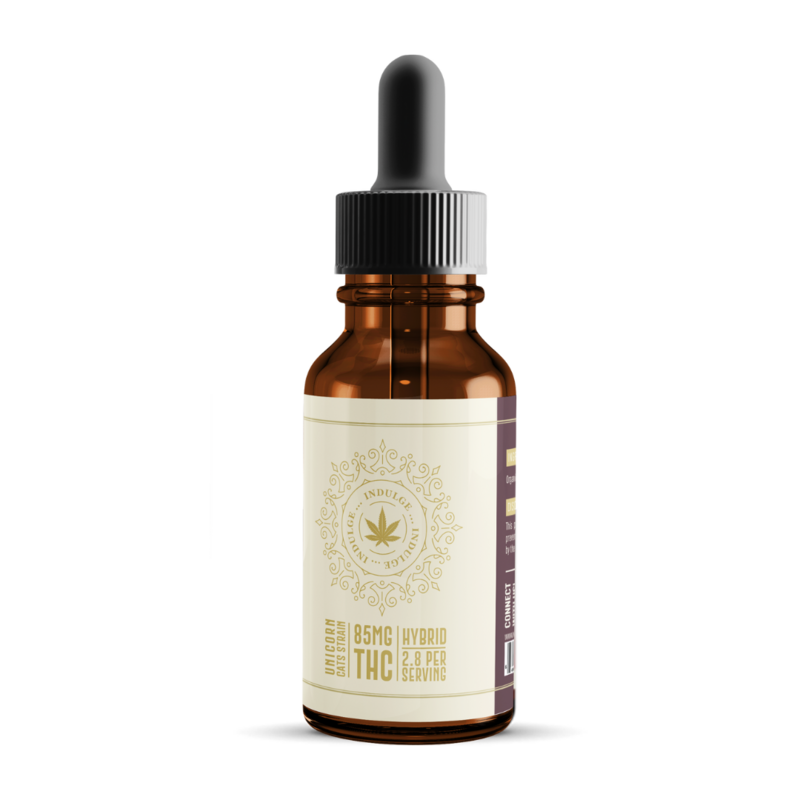
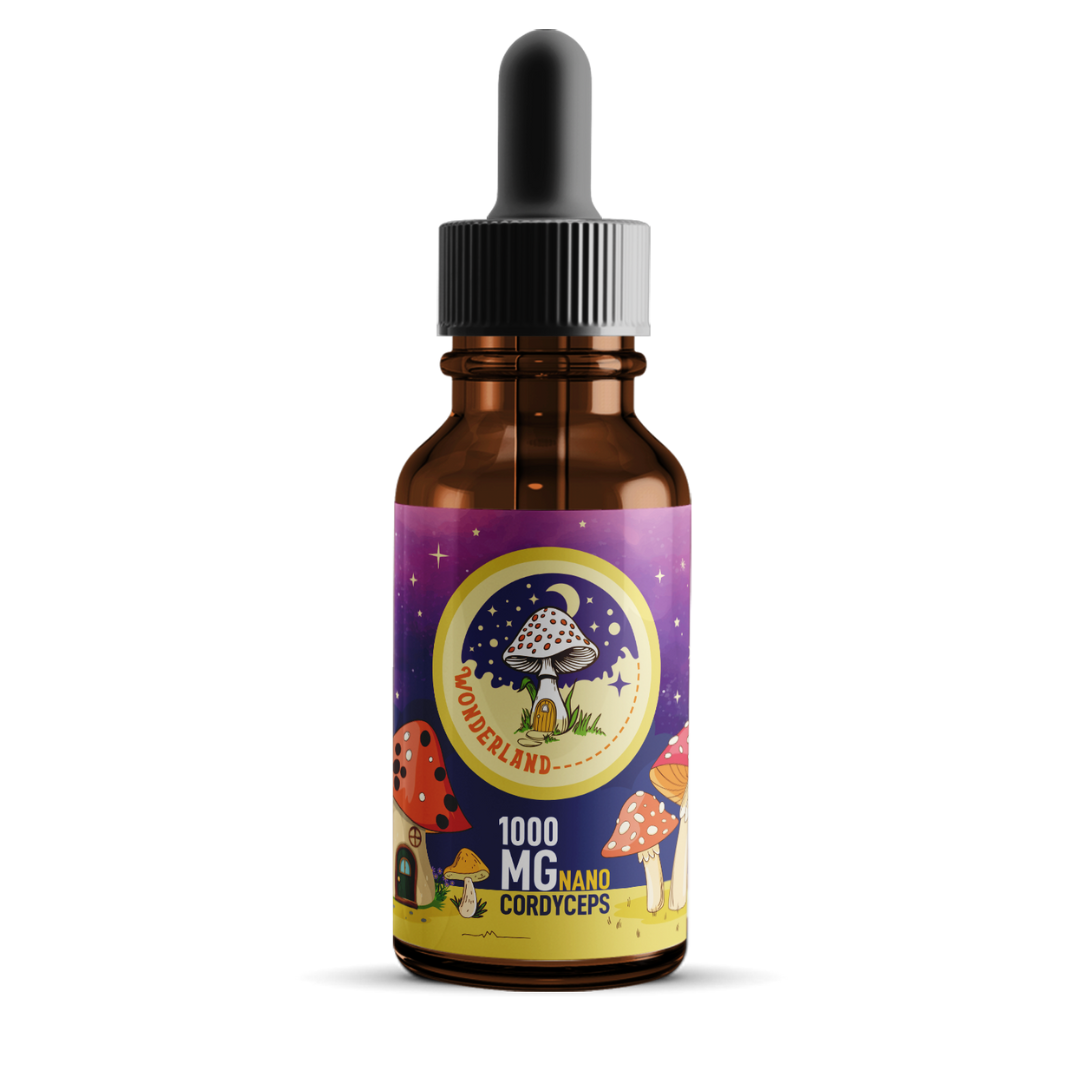
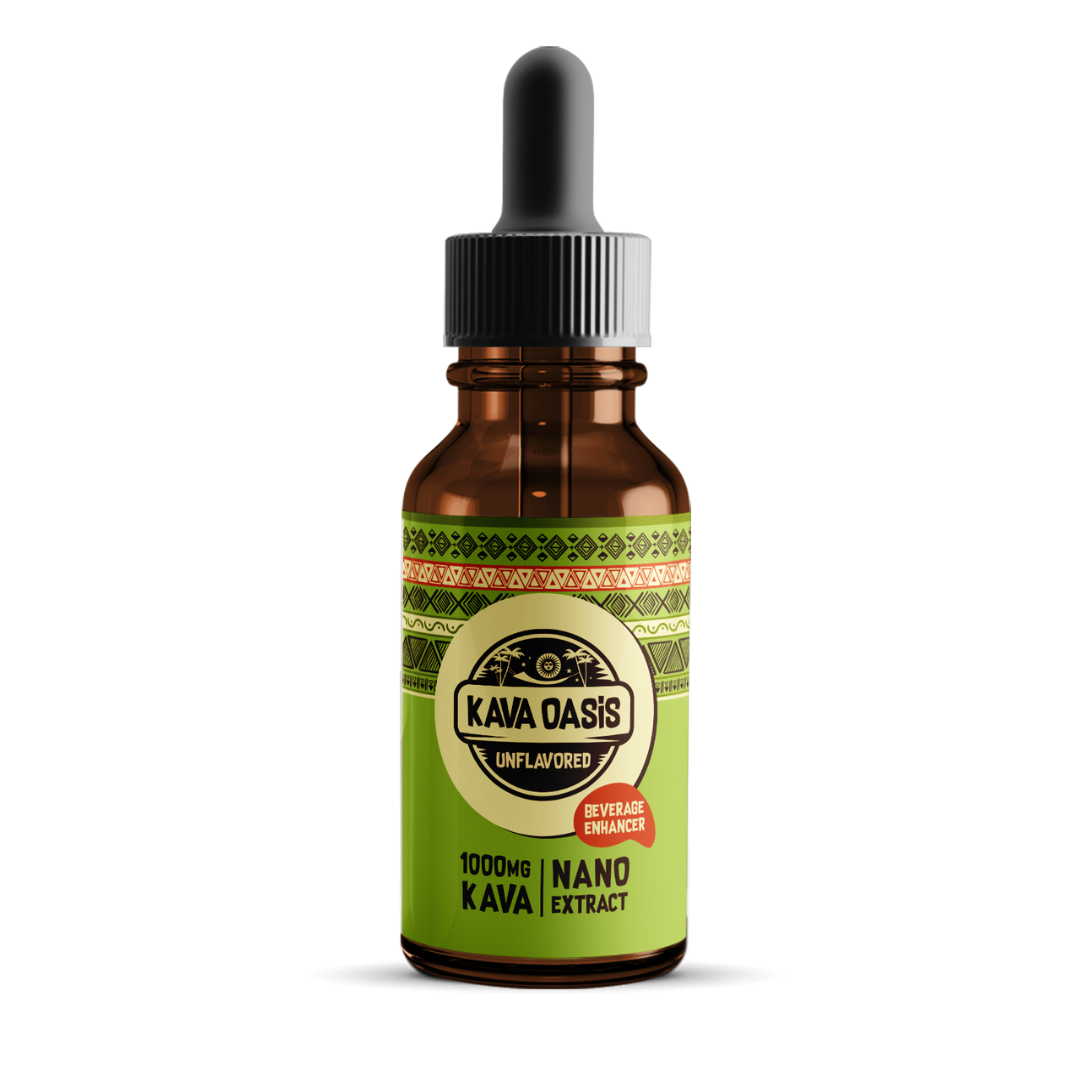
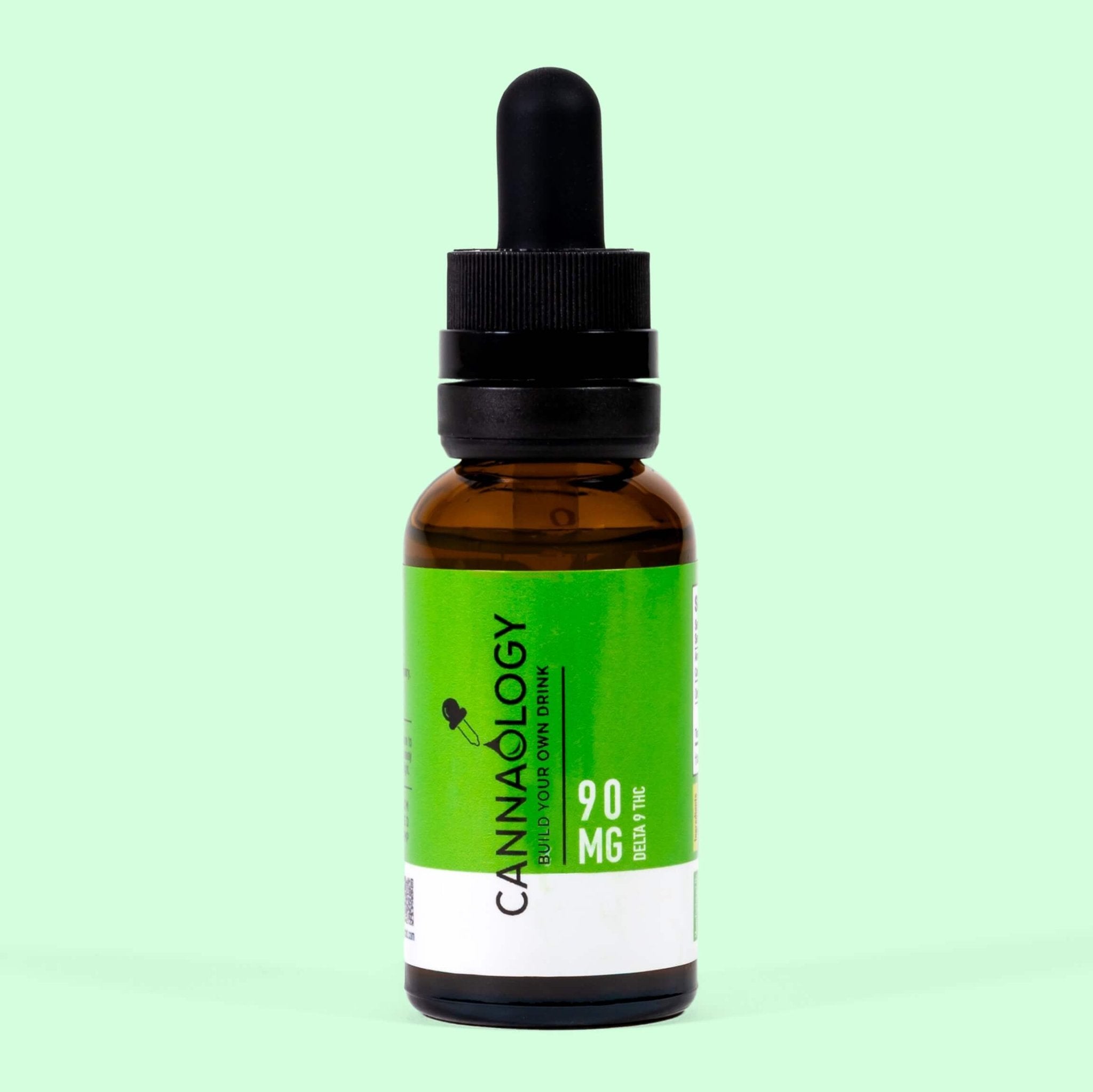
Tinctures
-
Capsules
-
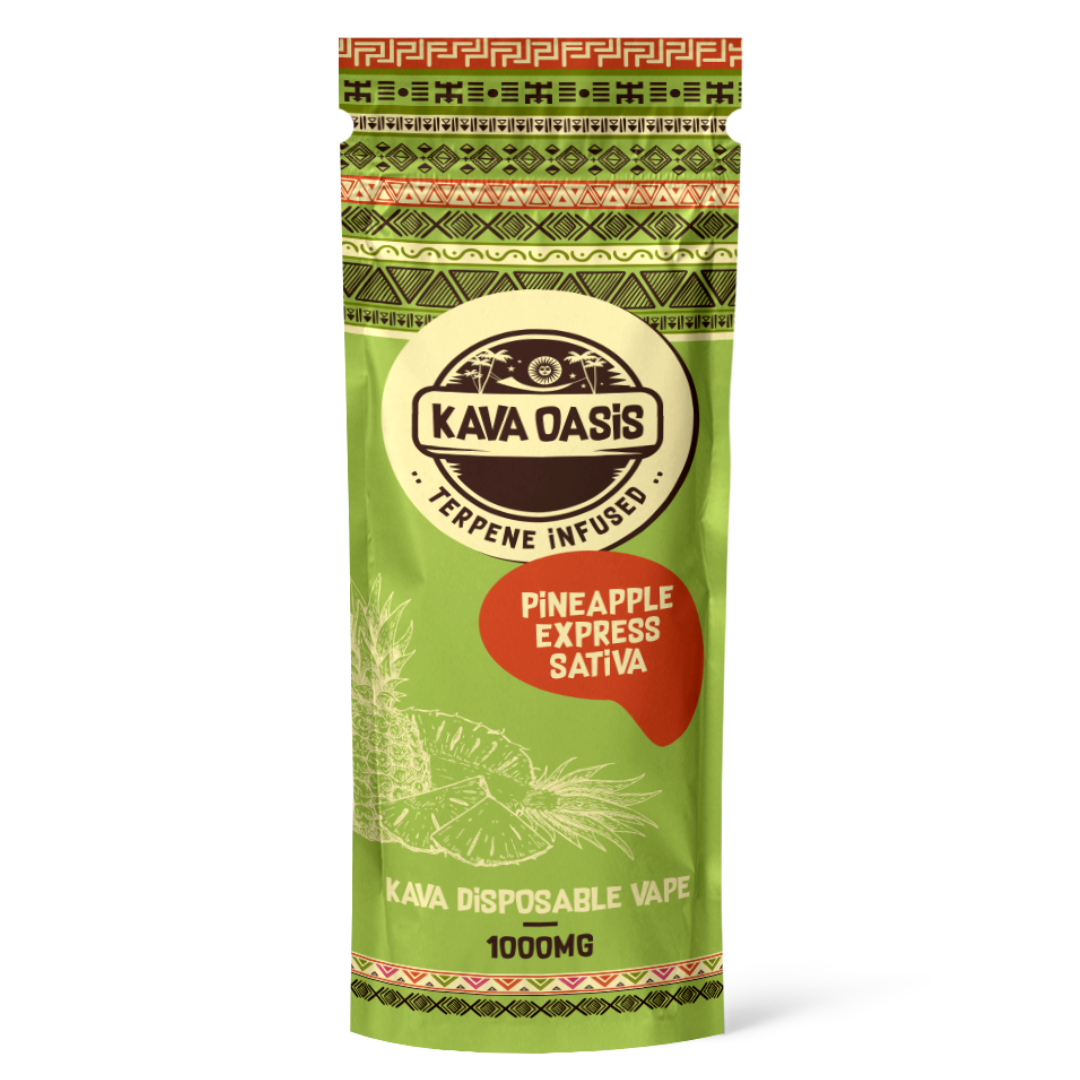
Vapes
-
Topicals
-
Flower
-
Functional cannabinoid products
That 95% is what supports the industry’s infrastructure.
It supports:
-
Hemp farmers
-
Extraction facilities
-
Distillation labs
-
Emulsion technology companies
-
Ingredient suppliers
-
Manufacturers
Without that ecosystem, beverages become extremely expensive to produce.
Beverage Companies Might Survive at First
Some companies in hemp today are almost entirely beverage-focused.
They’ve built their businesses around THC drinks sold through:
-
Liquor stores
-
Bars and restaurants
-
Beverage distributors
-
Retail chains
At first, these companies might even benefit if other hemp products disappear.
With fewer product categories available, consumers looking for legal THC options might turn to beverages.
But that advantage would likely be temporary.
Because beverage companies still rely on the rest of the hemp supply chain.
They still need:
-
Distillate
-
Minor cannabinoids
-
Emulsion technology
-
Hemp biomass grown by farmers
If the rest of the industry shrinks, those inputs become expensive and difficult to obtain.
The $39.99 Four-Pack Problem
One of the biggest warnings I hear from industry veterans right now revolves around pricing.
If the hemp ecosystem shrinks and ingredient costs rise, THC beverages could become dramatically more expensive.
It’s not unrealistic to imagine a four-pack of THC beverages costing $39.99.
At that point, the consumer math becomes obvious.
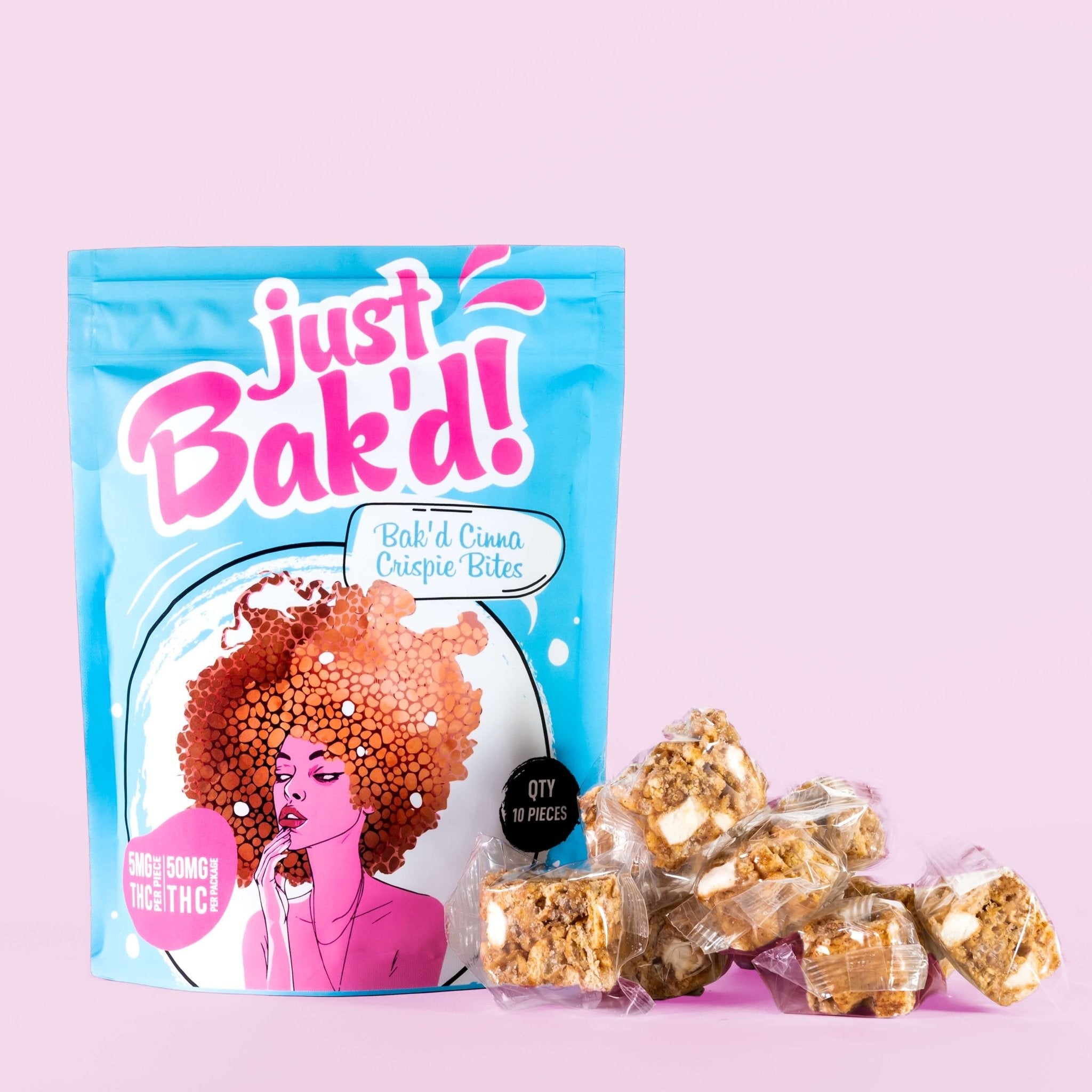
A consumer could walk into a dispensary and buy a pack of THC edibles for around $19.99, often containing 100 milligrams of THC total.
Then they walk into a liquor store and see a four-pack of THC beverages for $39.99 with only 20 milligrams total.
Consumers will notice that difference immediately.
And many of them will simply choose the cheaper option.
Or worse, they’ll go back to the black market.
A Perspective From Inside the Industry
After speaking with farmers, extractors, and product manufacturers who have been part of this industry for more than a decade, the message becomes clear.
The hemp industry is an ecosystem.
Beverages are an exciting and important part of that ecosystem.
But they cannot support the entire system alone.
The farmers who grow hemp need buyers.
The extractors who process cannabinoids need volume.
The technology companies building emulsions and ingredients need multiple product categories to survive.
Without that diversity, the industry shrinks.
And when the supply chain shrinks, the final products become expensive and fragile.
Video: The Price Collapse That Changed the Industry
I recently shared a video discussing the dramatic collapse in CBD isolate pricing and what it means for the future of the hemp industry. Watch the video here
Final Thoughts
The excitement around THC beverages is understandable.
They represent a new way for consumers to experience cannabinoids in familiar social settings.
They may become one of the largest product categories in the industry.
But beverages alone cannot sustain the hemp economy.
The reality is that about 95% of the industry’s revenue currently comes from other product categories.
Those categories support the farmers, extractors, and technology companies that make beverages possible.
If those segments disappear, the supply chain collapses.
Costs rise.
Businesses fail.
Consumers leave.
And the legal market loses ground to the black market.
A healthy hemp industry requires diversity.
Beverages should absolutely be part of that ecosystem.
But they cannot be the entire ecosystem.
Because without the rest of the hemp industry, the beverage industry won’t survive either.